(Source: China Daily)
Beijing closes produce market over new virus cases
By WANG XIAOYU and XIN WEN | China Daily/chinadaily.com.cn | Updated: 2020-06-13 07:06
Beijing reported four new confirmed cases of COVID-19 from 4 pm to 12 pm on Friday - totaling seven confirmed cases on Thursday and Friday, with all having close connection with the just closed Xinfadi agricultural products wholesale market in the city's Fengtai district.
The latest updates:
Beijing closes Haidian commodities market over virus case (Updated by 8.10 pm Saturday)
Beijing's Haidian district authority announced on Saturday that Yuquandong commodities trading market will be temporarily closed starting from today, after an asymptomatic COVID-19 case was found from the market.
The market will carry out sterilization. When the market will reopen will be announced accordingly, said the statement. Read more

Fengtai district halts long-distance bus service (Updated by 1.40 pm Saturday)
The long-distance bus terminal near Xinfadi market in Fengtai district has suspended service from Saturday.
Strengthening the management of inbound travelers, cargo vehicles and cargo planes to prevent the imported infections of the novel coronavirus will be the key step for the epidemic prevention and control in the future, said the capital's leading group of COVID-19 prevention and control said in a meeting on Friday evening. Read More
Majority of new cases traced to wholesale market (Updated by 1.00 pm Saturday)
Beijing reported four new confirmed cases of COVID-19 from 4 pm to 12 pm on Friday - totaling seven confirmed cases on Thursday and Friday, with all having close connection with the just closed Xinfadi agricultural products wholesale market in the city's Fengtai district.
Except for one confirmed patient who went on a business trip to Qingdao, Shandong province, the other six patients had no history of being out of the capital or contacting people from Hubei or abroad.
These confirmed patients that all have been to Xinfadi or worked at the market in past days.
Beijing to launch testing of wholesale market contacts (Updated by 12.10 pm Saturday)
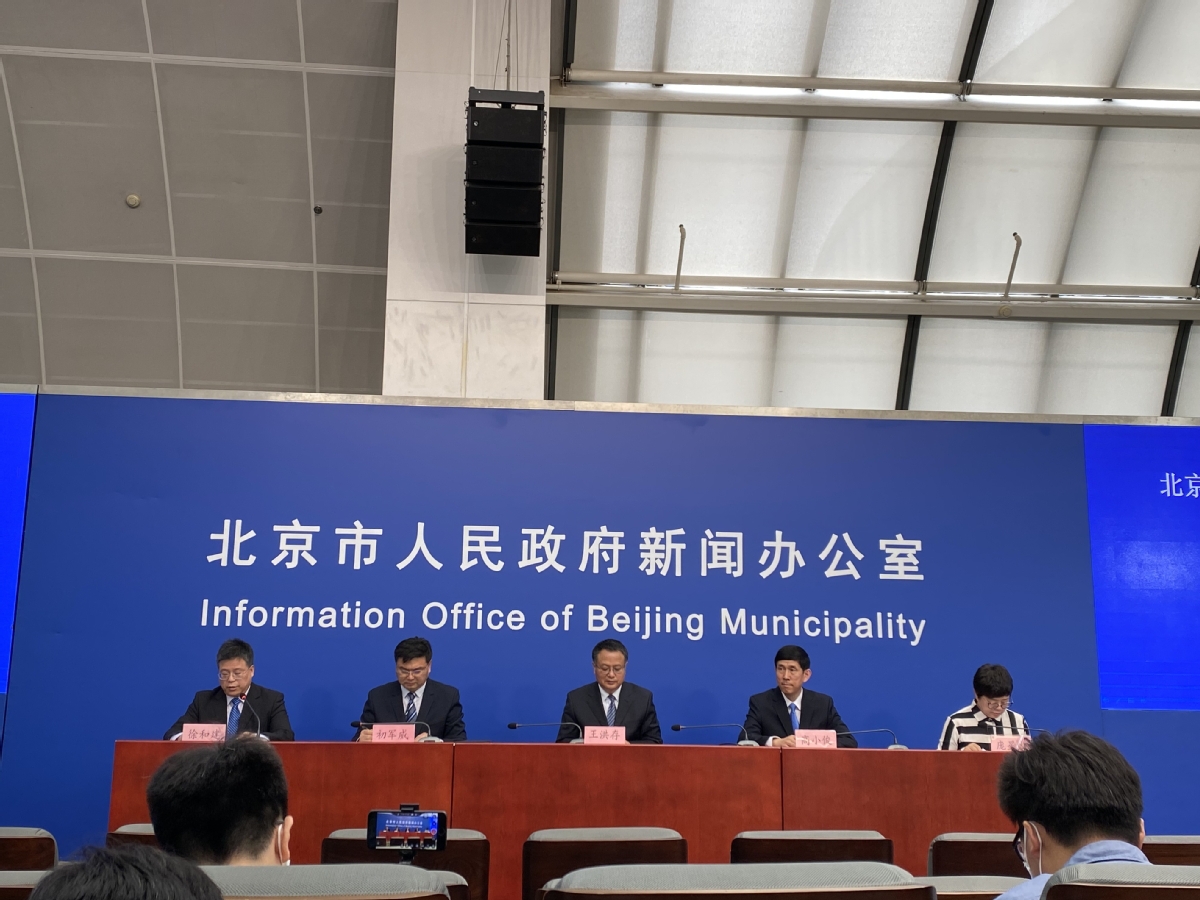
Beijing will begin testing for COVID-19 all people who came in contact with the Xinfadi market, and details of the plan will be released later today, officials said on Saturday.
Beijing currently has 98 testing institutions in total, with a maximum screening capability of over 90,000 people per day, according to Gao Xiaojun, the spokesman of the Beijing Municipal Health Commission. "This will be enough to meet the needs," he said.
The coronavirus was detected on a chopping board used by a seller of imported salmon at Xinfadi market. The seller's salmon was from the Fengtai district's Jingshen seafood market.
The Xinfadi market, which provides 90 percent of Beijing's vegetables and fruits, will be the top priority in tracing the source of the epidemic, and a working group will be dispatched to strengthen epidemic prevention and control.
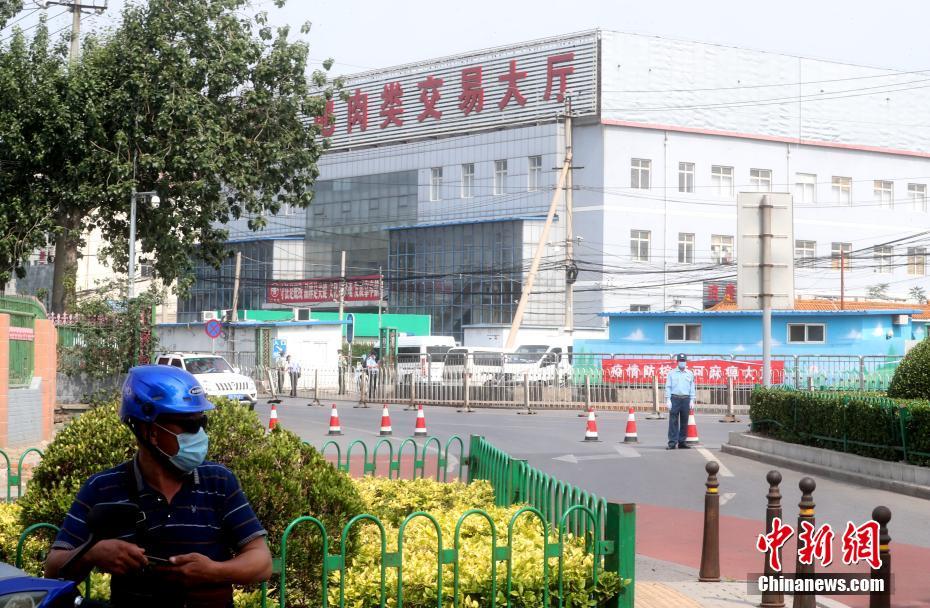
More nucleic acid tests conducted; Schools closed (Updated by 11.50 am Saturday)
Over 10,000 workers in Beijing's Xinfadi market will undergo the nucleic acid tests.
11 residential communities adjacent to Xinfadi market would be subject to closed-off management, and 9 kindergartens and primary schools nearby closed.
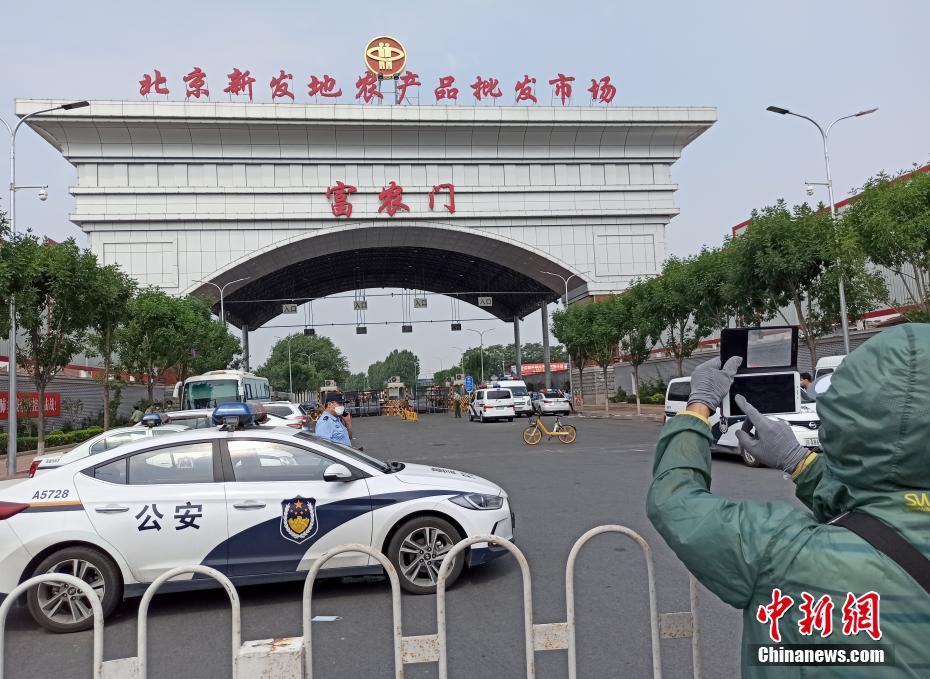
Beijing closes produce market over new virus cases (Updated by 7.00 am Saturday)
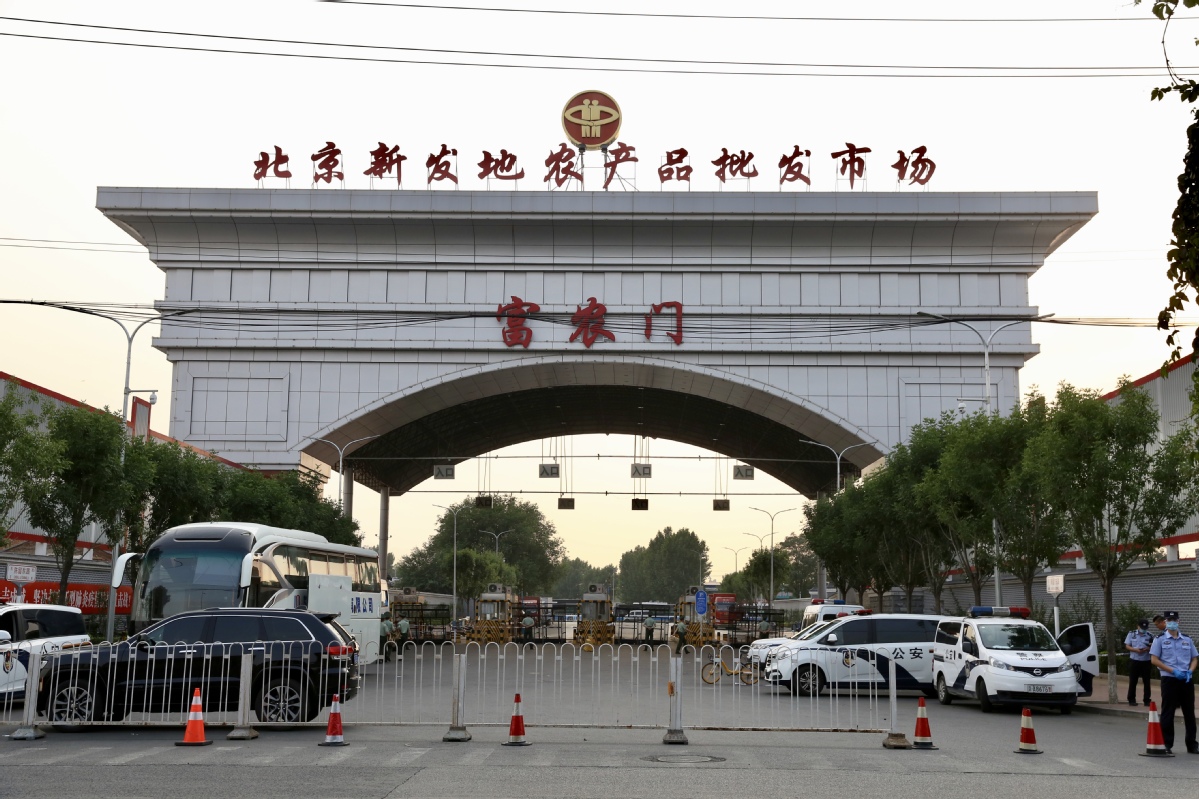
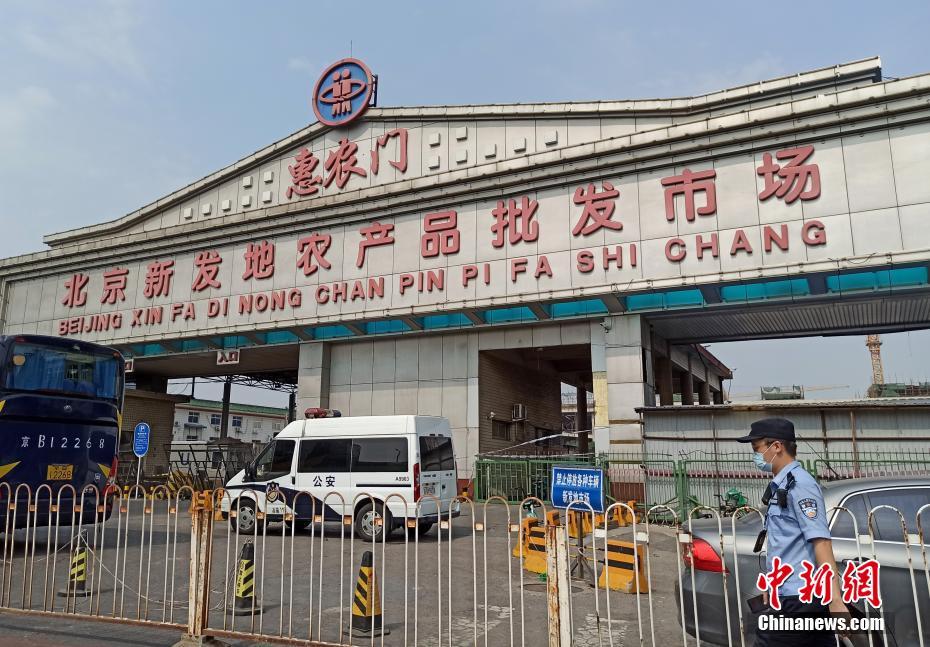
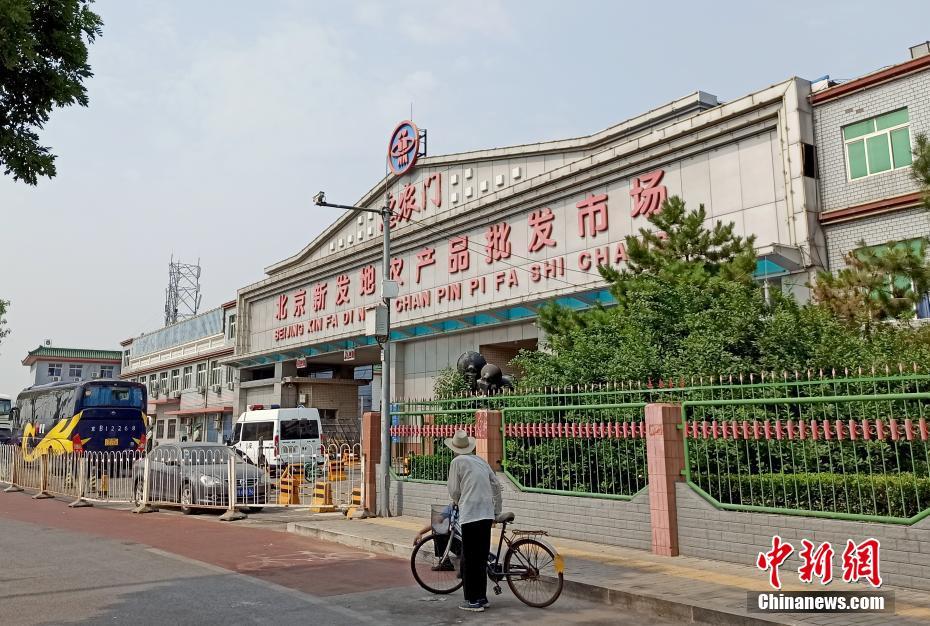
Starting from 3 am Saturday, Beijing closed one of the city's largest farm produce markets, Xinfadi, in response to the emergence of six new local cases of COVID-19 within two days.
The wholesale market selling fruits, vegetables and meat will be disinfected, after personnel working there and the surrounding areas tested positive for the novel coronavirus.
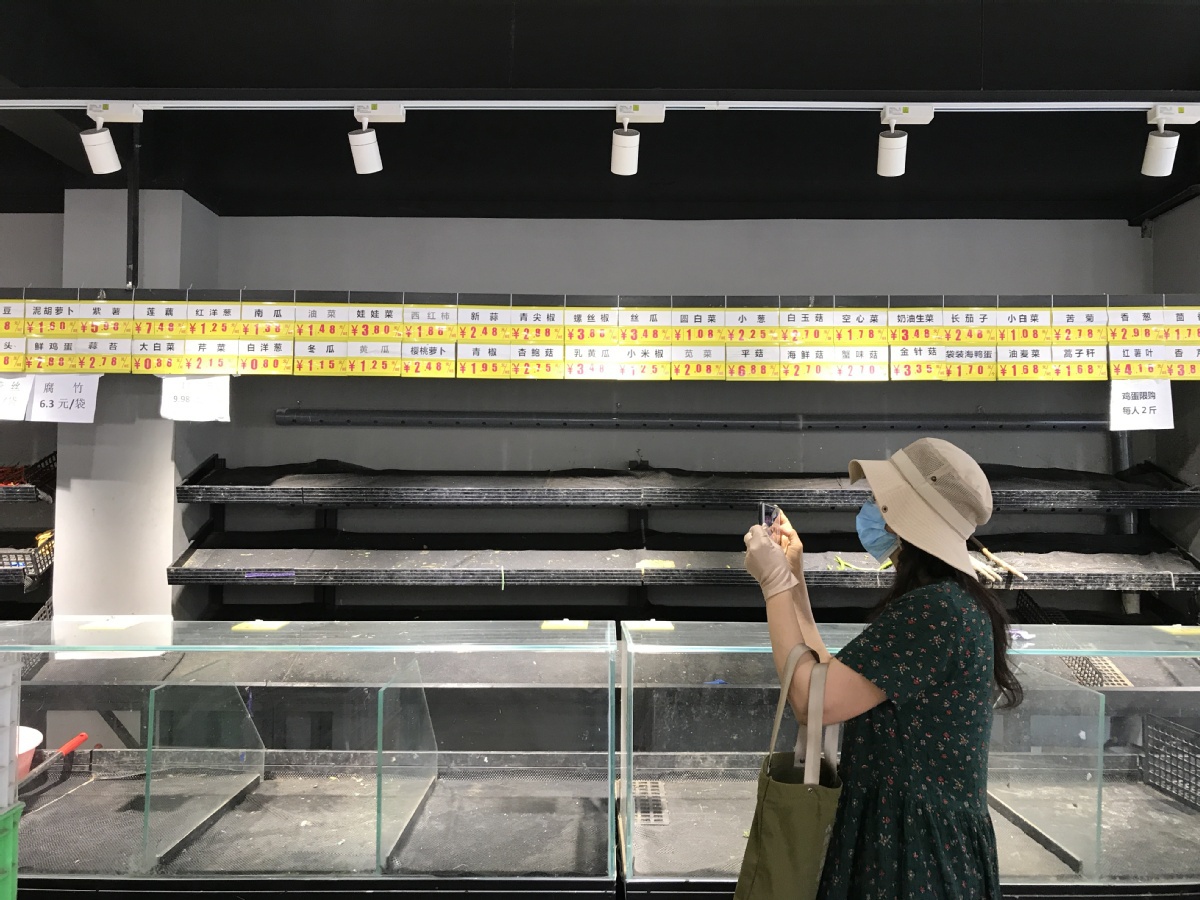
All personnel in the market will undergo nucleic acid testings, according to a statement jointly issued by the market regulation bureau and the health commission of the district.
To ensure the market supply, special sections have been set up for sales of vegetables and fruits, said the statement.
Covering a total area of 112 hectares, the Xinfadi market has some 1,500 management personnel and more than 4,000 tenants.
Beijing ups response over 3 new local cases (Updated by 11.00 pm Friday)
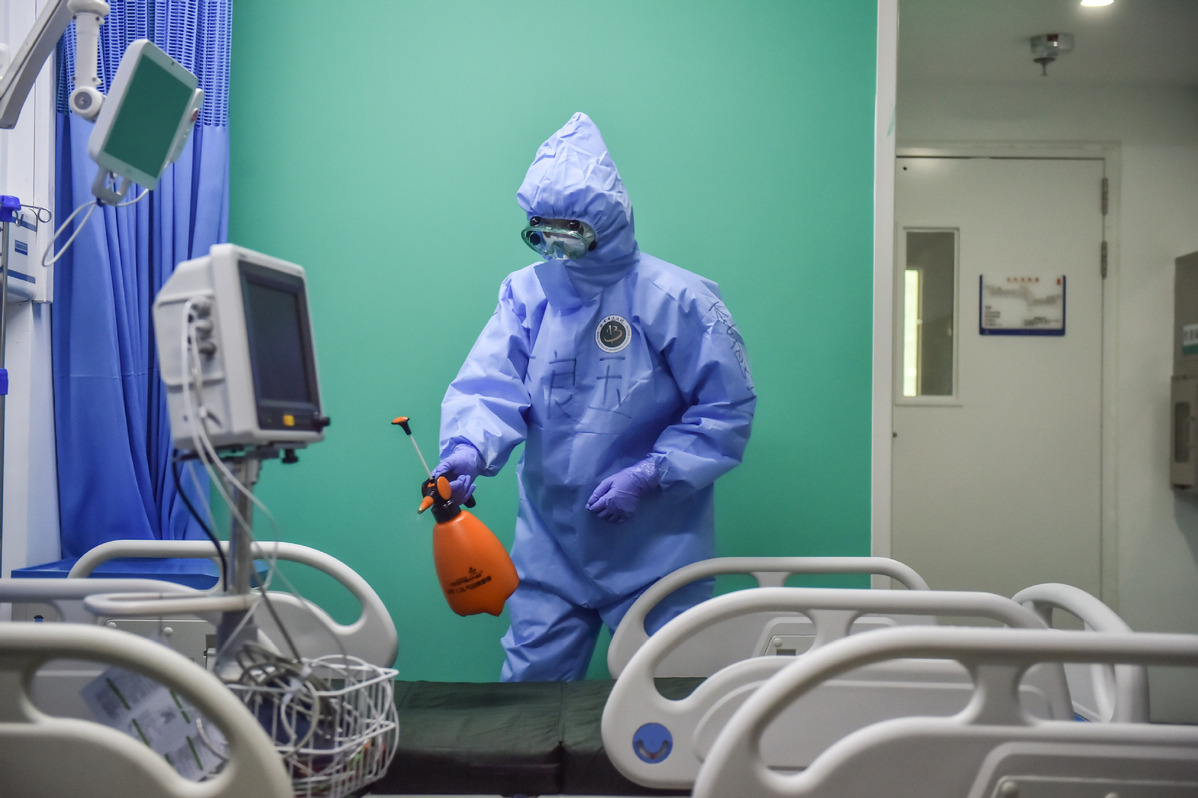
With Hubei province-once the region hardest hit by the novel coronavirus in China-having decided to further lower its emergency response level, the city of Beijing reported three new domestic cases in the past two days after seeing no new cases for nearly two months.
The latest development has caused the capital to tighten prevention and control measures, including a major campaign examining catering services and food markets, and delaying school reopening for some lower-grade students.
Two new locally transmitted cases were registered in the city's Fengtai district on Friday. They were coworkers at a meat products research institute, and one surnamed Liu said he had traveled to Qingdao in Shandong province in the past two weeks. Both patients had displayed symptoms such as sore or itchy throats and coughing, Beijing city officials said.
As of 3 pm on Friday, 43 close contacts had been found and placed in centralized quarantine. The institution they worked for and affected residential blocks are all in closed-off management.
On Thursday, the capital's Xicheng district reported a new case-a 52-year-old man surnamed Tang, the city's first domestic case in 56 days. He visited a local hospital on Wednesday for recurring fever and said he had not traveled outside Beijing in the past two weeks.
Xicheng district's health commission said on Friday that it had identified 38 close contacts of the man as of 5 pm. Test results were available for 21 of them, and all had come back negative. The commission is also screening and testing classmates and teachers of the patient's child, who had already restarted classes at school, as well as residents living in the same block.
Epidemiological investigation found both Liu and Tang had been to Xinfadi, a major farm products wholesale market in Fengtai district. Tang went there on June 3 and Liu went there on June 5.
The Qingdao health commission said disease control experts in Qingdao had ruled out the possibility that Liu, who was on a business trip to Qingdao from May 29 to June 2, picked up the infection there.
The beef and lamb trading hall at the Xinfadi market was shut down as of Friday, the Beijing News reported.
Beijing's administration for market supervision said on Friday afternoon that it will step up supervision over markets that mainly sell fresh produce, frozen meat and seafood, as well as warehouses, supermarkets and restaurants that use large amounts of meat or seafood.
It will also intensify oversight of catering businesses' purchases of seafood and meat to stem the use of products with unknown sources. Enhanced checks over proof of quality documents or inspection certificates will also be rolled out, officials added.
"The overall food safety situation in Beijing is good and the public does not need to worry," Chen Yankai, deputy director of the administration, said at a news conference.
Also on Friday, the Beijing municipal education commission announced that students of the first, second and third grades who were scheduled to restart school on Monday will not return to campus, given the latest development.
After-school training institutions were asked to halt offline classes and events, and reopened schools to adjust their schedules based on the latest situation.
The Beijing anti-virus leading group said during a meeting on Thursday that the sudden emergence of new cases sounded an alarm on the perennial and omnipresent risk of the virus and underscores that regular epidemic and control measures must not be relaxed.
The meeting also stressed launching epidemiological surveys in a rigorous and rapid manner to ensure the tracing period is long enough to determine the full scope of close contacts. Samples should be taken from areas where confirmed cases have shown up.
Hubei lowers level
While Beijing is now on high alert, Hubei decided to lower its emergency response level to the second-lowest tier since last Saturday because there have been no new infections there in 24 days.
Hubei has reported a total of 68,135 confirmed COVID-19 cases and 4,512 related deaths, and 63,623 patients have recovered and been discharged from hospitals by Thursday.
In order to help discharged patients re-enter society as soon as possible, China plans to improve database information on all COVID-19 patients in Hubei and reevaluate their conditions to refine rehabilitation plans, said Tong Zhaohui, vice-president of Beijing Chaoyang Hospital.
"The majority of them will only receive follow-up visits once a year for 10 years. An estimated 10 percent may need professional rehabilitation guidance in addition to regular follow-up visits, and their conditions will help us deepen understanding of the virus' pathogenesis," he told China Central Television on Thursday.
He added that rehabilitation treatments will be offered free of charge to those in need in Hubei, and China's experience in helping patients fully recuperate will be shared with the world.
On the Chinese mainland, the overall confirmed infections had reached 83,064 as of Thursday, including 65 patients who were still being treated, with no one in severe condition, the National Health Commission said.
As part of efforts to improve China's regular epidemic controls, the State Council's Joint Prevention and Control Mechanism released a notice on Thursday that requires all people who visit fever clinics to present their health codes attesting to their health status and take nucleic acid tests.
Fever clinics are not allowed to reject patients with fever, and medical workers are required to register their information in detail. Primary health institutions and emergency medical centers will also strictly implement registration and reporting procedures, and all patients with fever must be sent to fever clinics for further diagnosis, the document said.
Zhou Lihua in Wuhan contributed to this story.
Contact the writers at wangxiaoyu@chinadaily.com.cn