(Source: China Daily)
Shougang Park a major player within Beijing's recent industrial and urban regeneration
By Bruce Connolly | chinadaily.com.cn | Updated: 2022-04-25 12:42
In mid-1995, on a flight from the UK to Beijing, the aircraft began an unusual descent toward Capital Airport. Instead of passing over the Great Wall near Miyun, we seemed to be approaching from the west. Looking down I saw urban and industrial development within what appeared to be a narrow valley opening up onto a wider plain. There stretched a maze of railway tracks alongside giant cooling towers discharging steam. Smoky flames were rising from what appeared to be a massive steelworks complex. This was not the Beijing I knew; there was nothing about it in my guidebooks or maps.
A few days later, I travelled by metro Line 1 westwards towards Pinguoyuan. My plan: to take a bus from there to the Fragrant Hills (Xiangshan). Emerging from the metro station, I became aware of sulfur-like aromas in the air. In the distance rose tall cooling towers withthe distinctive sounds of heavy industry. Fascinated, pointing toward the site, I asked a local "what is this?" From the air and on the ground I had come upon the Shougang Steelworks, one of the largest then existing in China. It was, however, a relic from an earlier period in the country's development, dating back to 1919. Again, it was all so different from the city I perceived at that time, one that was gradually being transformed into a modern capital.
By 2010, principally out of environmental concerns, the steelworks had shut down production, relocating to a coastal location at Caofeidian east of Tianjin. However, the main structural elements of that vast plant remained standing, initially in a kind of limbo. Thankfully, Beijing did not take the easy option of clearing the site for future real estate development. Instead, careful thought and planning went into deciding the best use of what Shougang presented. The principal physical components of the architecture would be kept but adapted into modern usage, something that would attract both domestic and, hopefully, international visitors. Some buildings, including new constructions, would be developed both for commercial venues and centers potentially for advanced innovation. This would all be set within a pleasant parkland environment totaling 8.63 square kilometers. Ponds, once integral parts of steel production, would be cleaned up into wetlands that could become home to bird life.

I have been following the progress of Shougang for several years. The results, the creativity and innovation are impressive to see. I continue to find the area simply amazing to walk around.
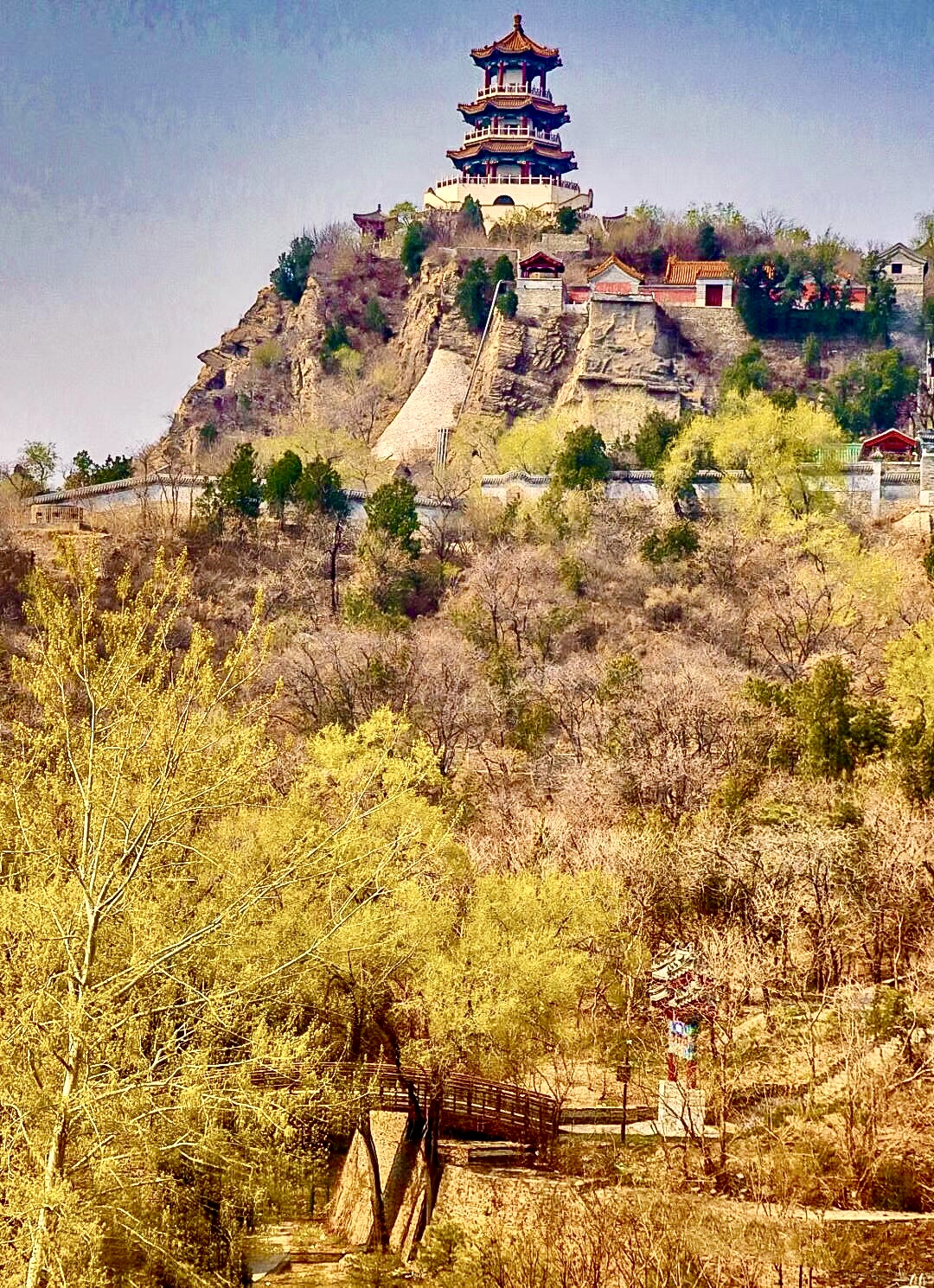
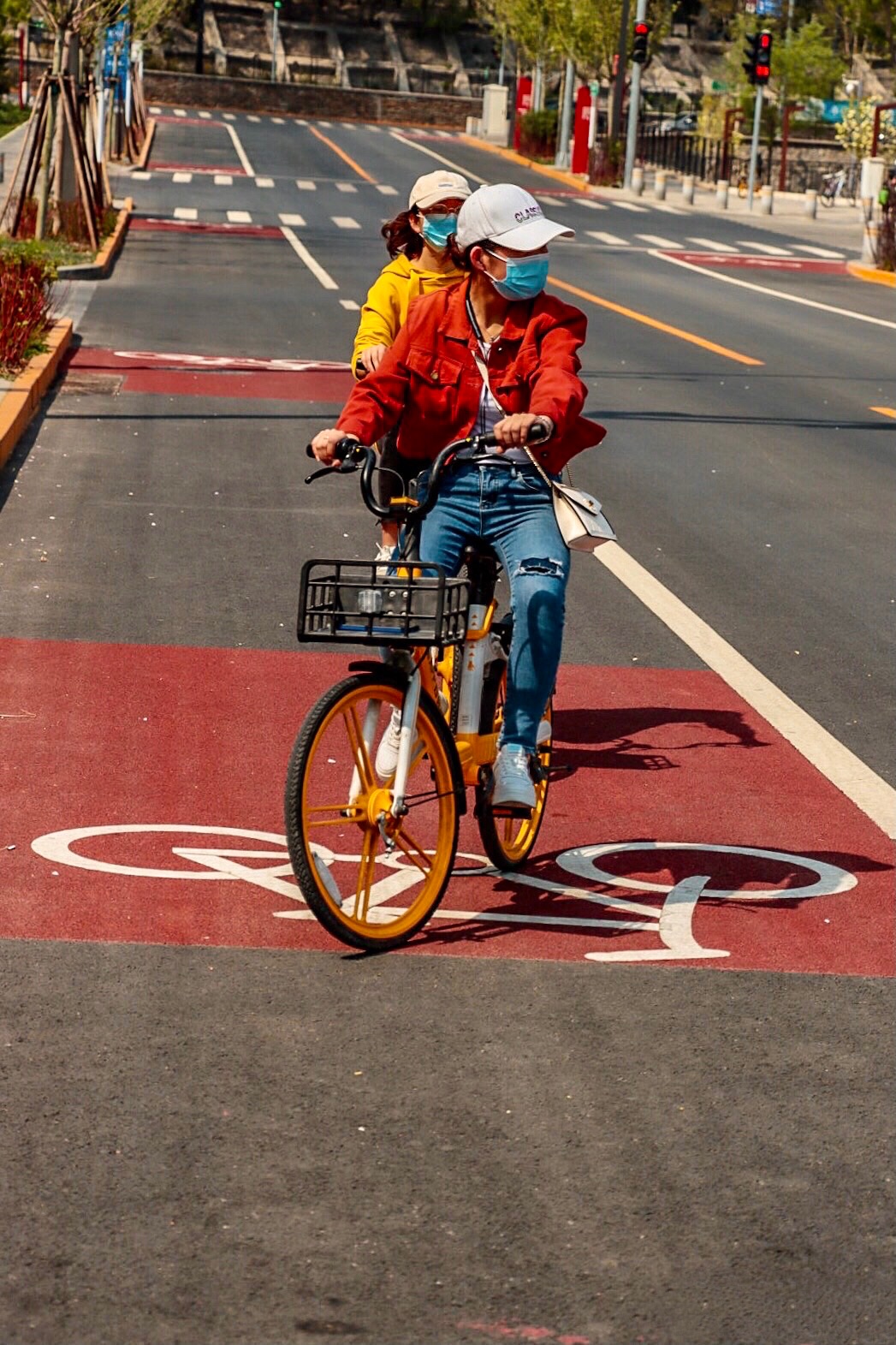
Incredibly, in contrast from the days of industrial clamor, dust and flames shooting skywards, there is today an amazing sense of peace and tranquility. Some of this is helped by temple buildings rising up Shijingshan, a rocky outcrop overlooking the park. Today as a delightful, clean area, it is attracting many cyclists, walking groups, photographers and others, particularly on weekends.
A major boost came with Beijing being awarded the honor of hosting the 2022 Winter Olympics. The Organizing Committee for the Winter Games, including the Paralympics, would be located at Shougang. This was highly symbolic because Shougang has increasingly been viewed as a prime example of the city's ongoing urban regeneration. Similarly, the growth in winter sport activities represents another element in China's transformation into a modern society. Alongside Qunminghu Lake rises 'Big Air Shougang ', a venue for freestyle skiing and snowboarding. Today it's tall, distinctive structure, stands as an iconic symbol of the area's transformation.

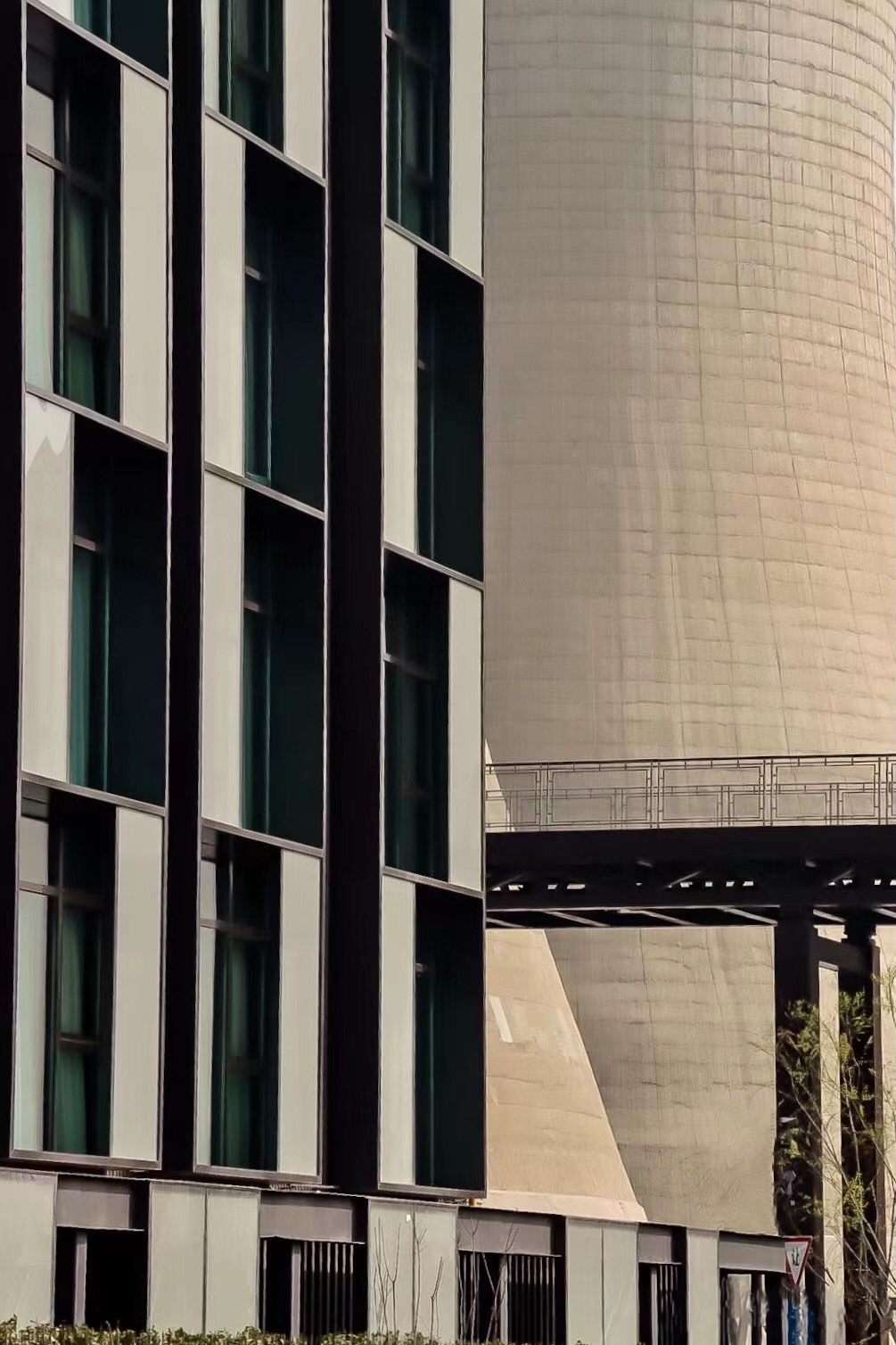
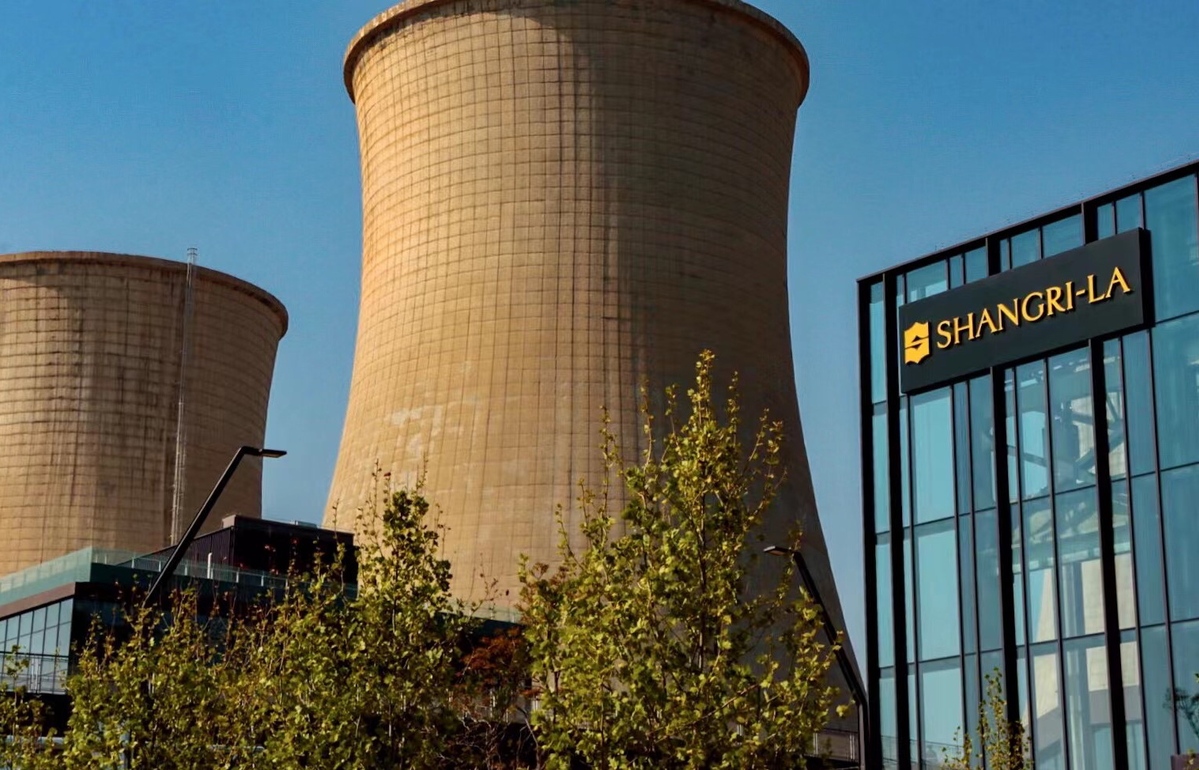
With Shougang playing a pivotal role in the Winter Olympics for Beijing 2022, there was obviously a requirement to provide top level accommodations and hospitality for the many international and domestic organizers along with media representatives. Recently, I had the opportunity to witness a world-leading hotel brand open a location within what had once been a power station for the Shougang Steelworks. Located a short distance from the Big Air venue, Shangri-La Shougang Park hotel opened its doors in December 2021 shortly before the inaugural opening ceremony of the Games. Already, it is attracting considerable worldwide attention for how a relic of an earlier industrial era has been transformed into such a unique, very attractive hotel.
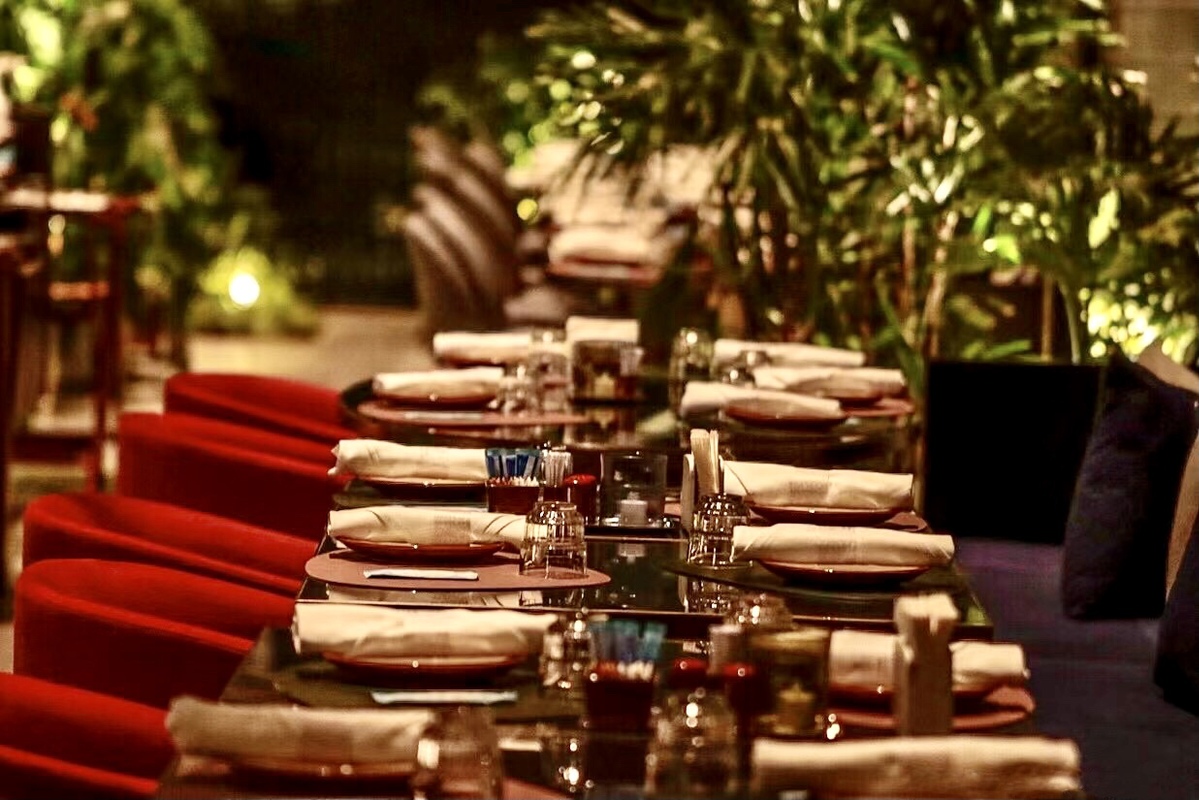
Obviously, the hotel combines many elements, guest rooms, a fitness centre anddining facilities expected from such a renowned brand; however, it is the other features that are eye catching.
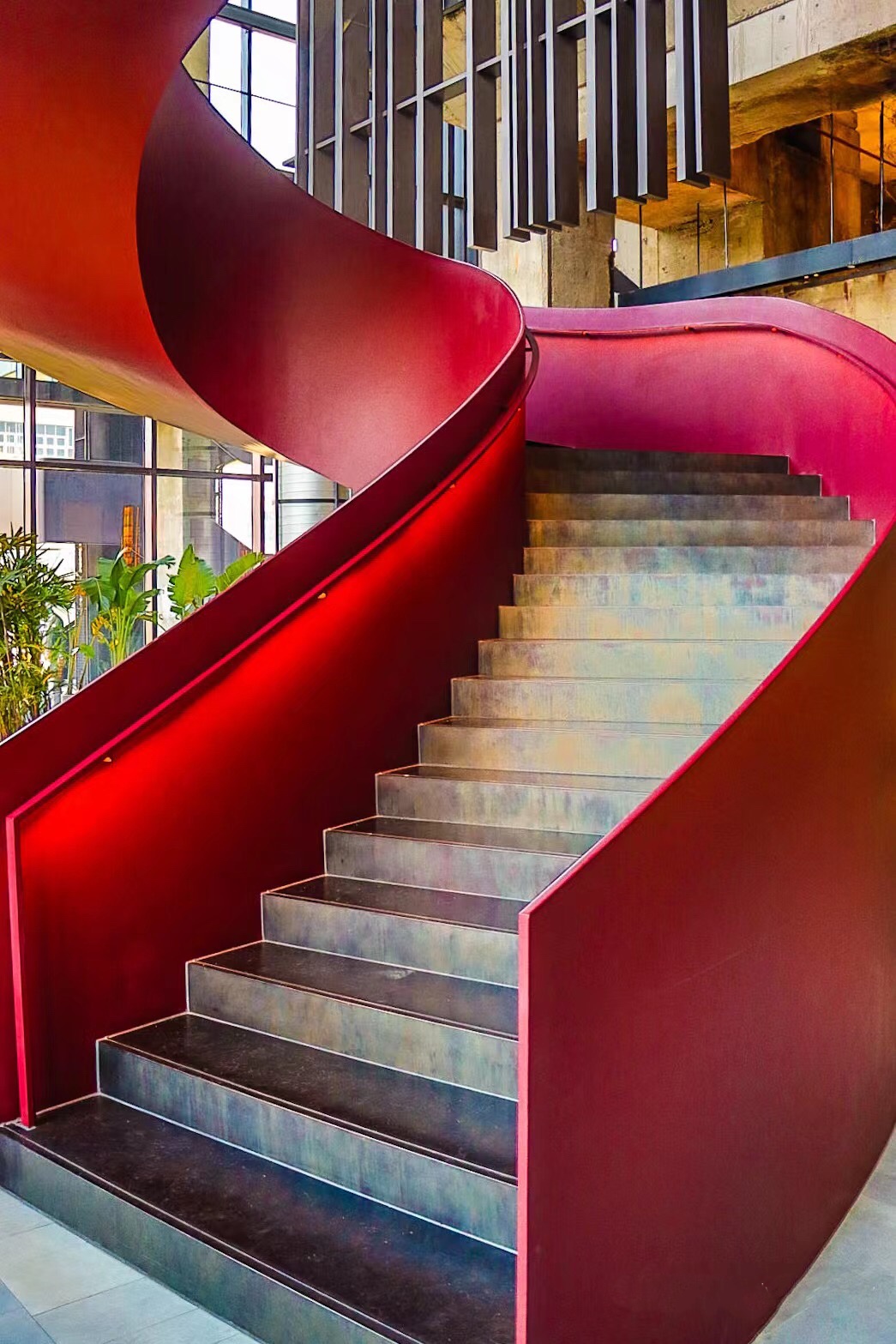
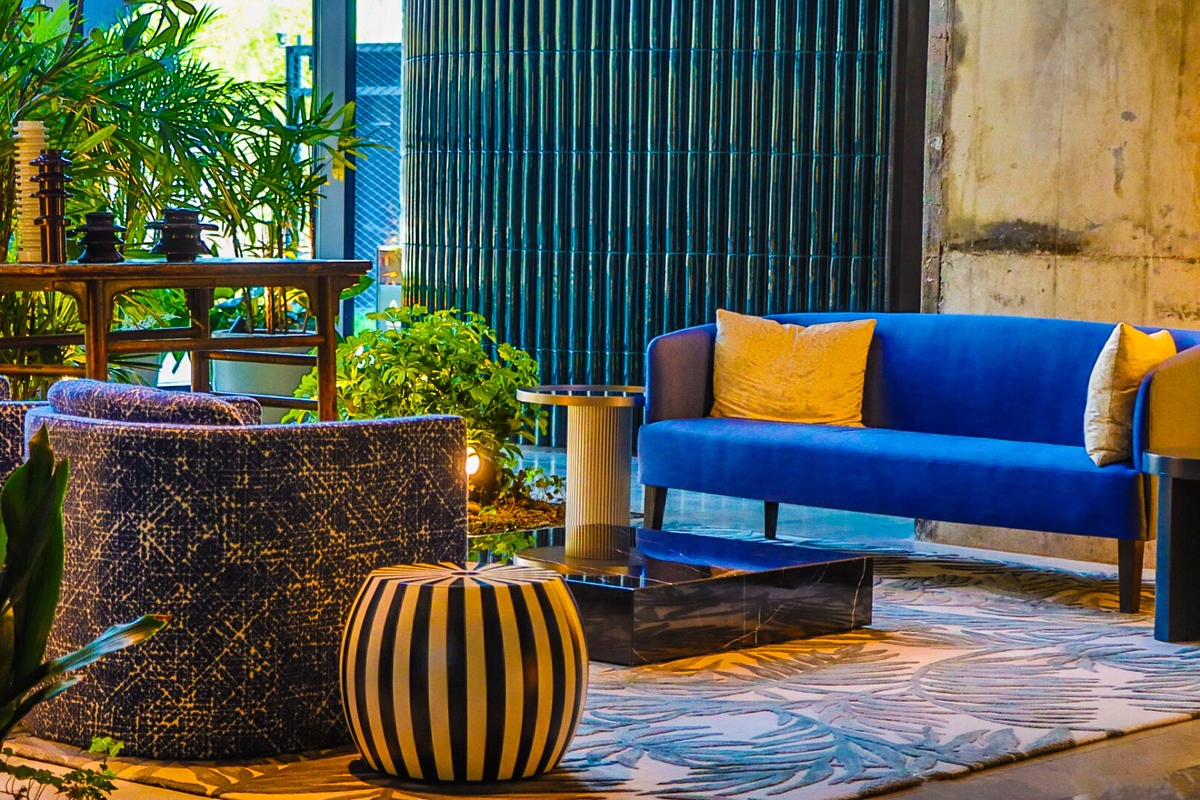
Its spacious ground floor area is rich in natural light. Upon entering from outside I became aware that there was not the normal pleasant fragrance usually fed into hotel air-conditioning. Instead, it was a sense of natural freshness created by extensive growth of sub-tropical plants. By creating a charming greenness, this acted as a botanical air filtering system, doing exactly what happens in parklands or forests. The building's exterior facade interestingly wraps around the original industrial superstructure, with floor to roof glass panels allowing considerable internal brightness. This also an integral factor in sustaining the growth of its abundant internal green foliage.

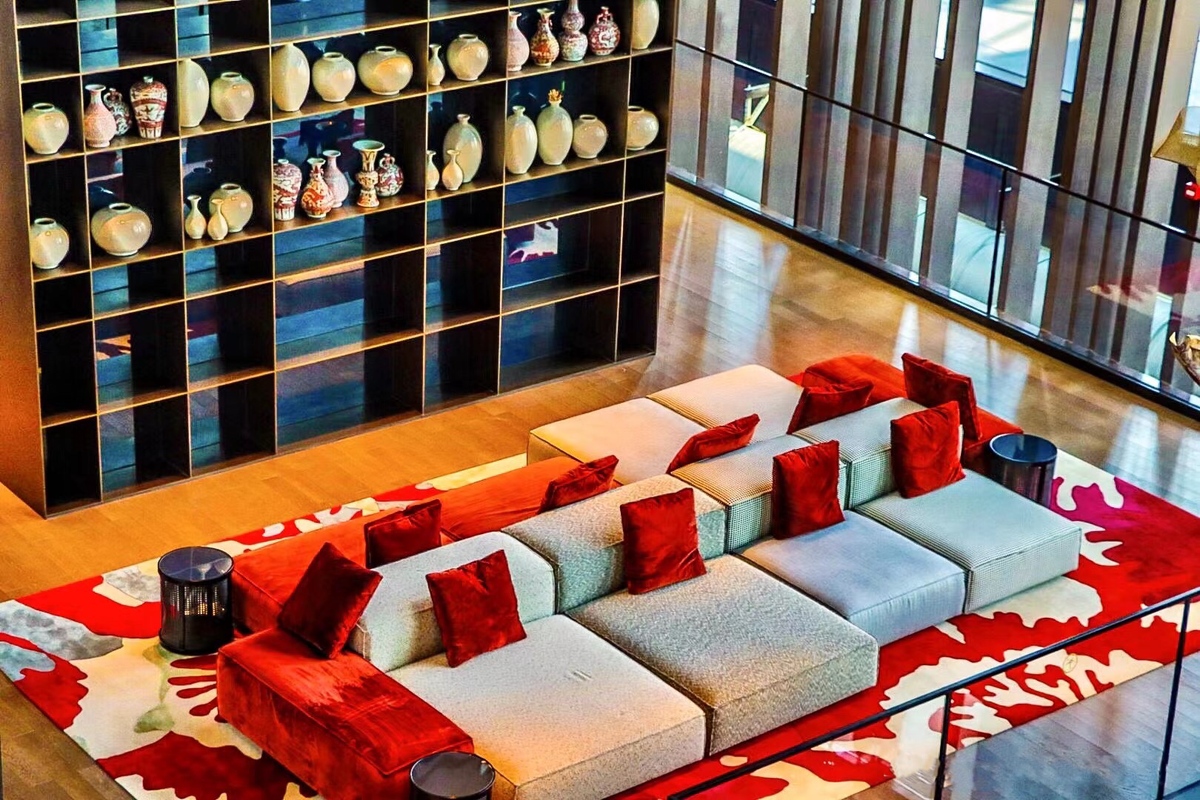
The overall structural design was undertaken by Milan-based architect, Lissoni Casal Ribeiro, renowned for specializing in master plans, architecture and landscape design. The historic concrete frame of the building has been retained and incorporated into what can be seen today. It is fascinating to simply sit in the lounge, look up and around to spot which elements come from the power plant and how they have been blended in with the modernity along with the vegetation and water that enhance the ground floor's attractiveness. The design reads as a successful attempt to bring elements of nature into key locations of the hotel. A wooden gentle arch bridge spans a linear pond, above which hangs a flock of birds suspended from the ceiling. Indeed such links, bringing nature to life is a recurring theme within the hotel.
What fascinated me was how the past legacy was kept alive, particularly when combined with modern styling. I would sit in the lounge, taking in the various levels of aesthetic beauty and wondering how workers, who once toiled here, would react to this transformation. A scenario where a building once designed simply as an essential component of vast steelworks is becoming seen as s potential model for retaining such industrial heritage. Indeed, there are photographs and wall murals remembering its 100 years of history, blending different eras.
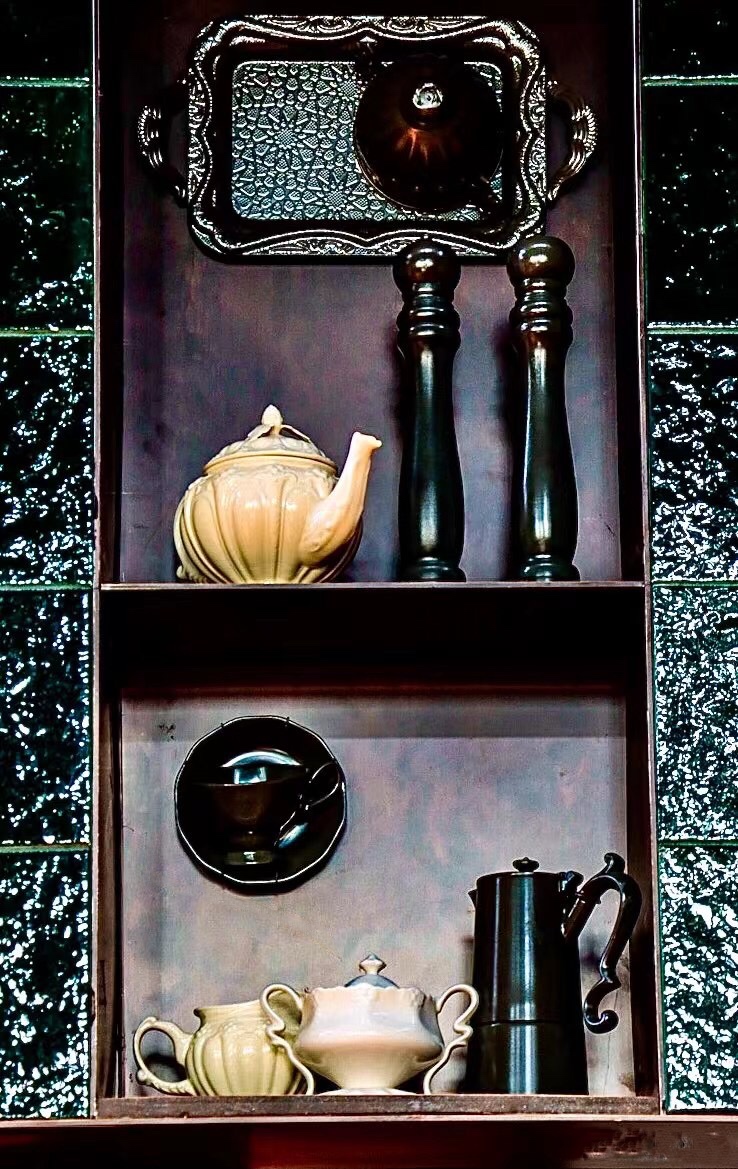
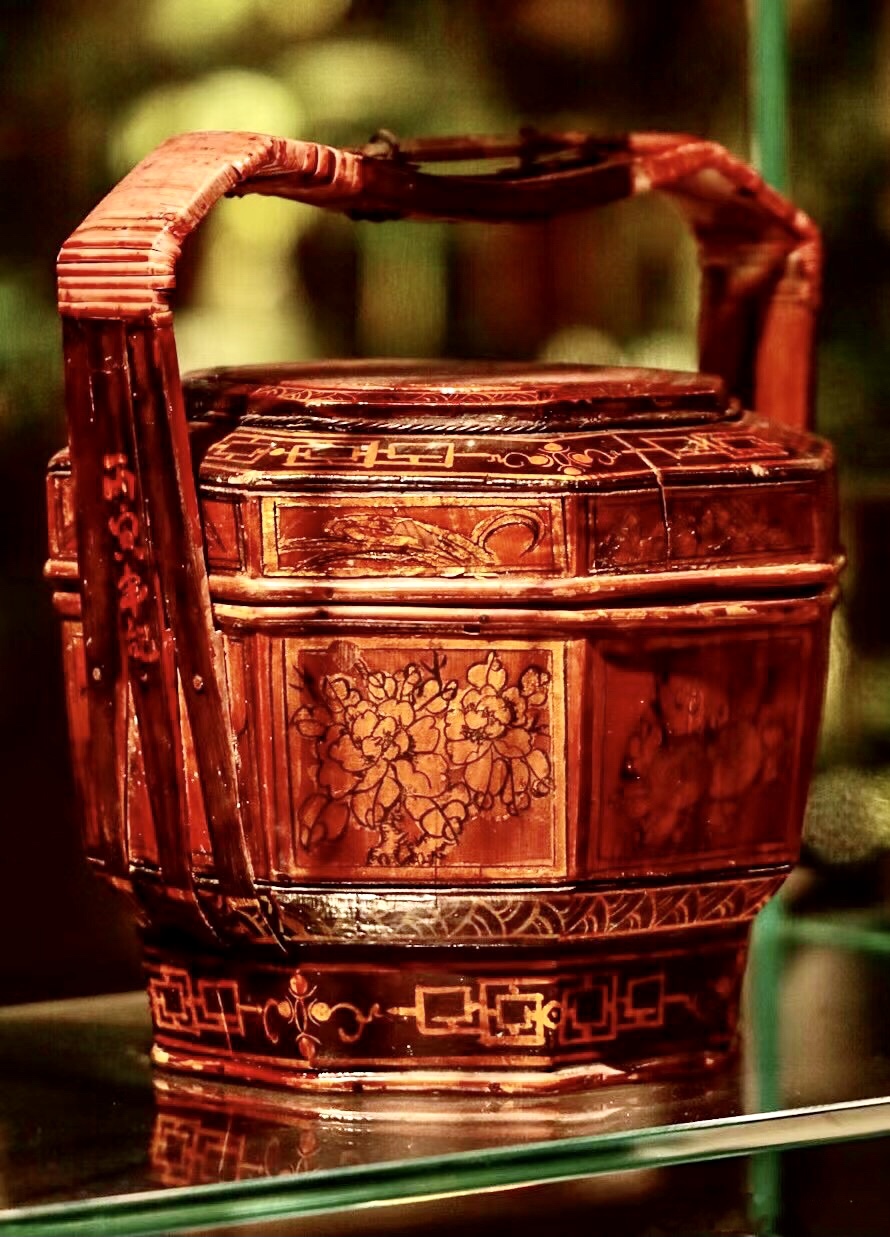
There is also a subtle use of the colors red, green and dark blue, reflecting something of Beijing's imperial past.

I found it useful to slowly walk around, stopping regularly to look at the subtleties of design and the overlapping industrial structures of the area contrasting with the stark modernity of its exterior contemporary frame.
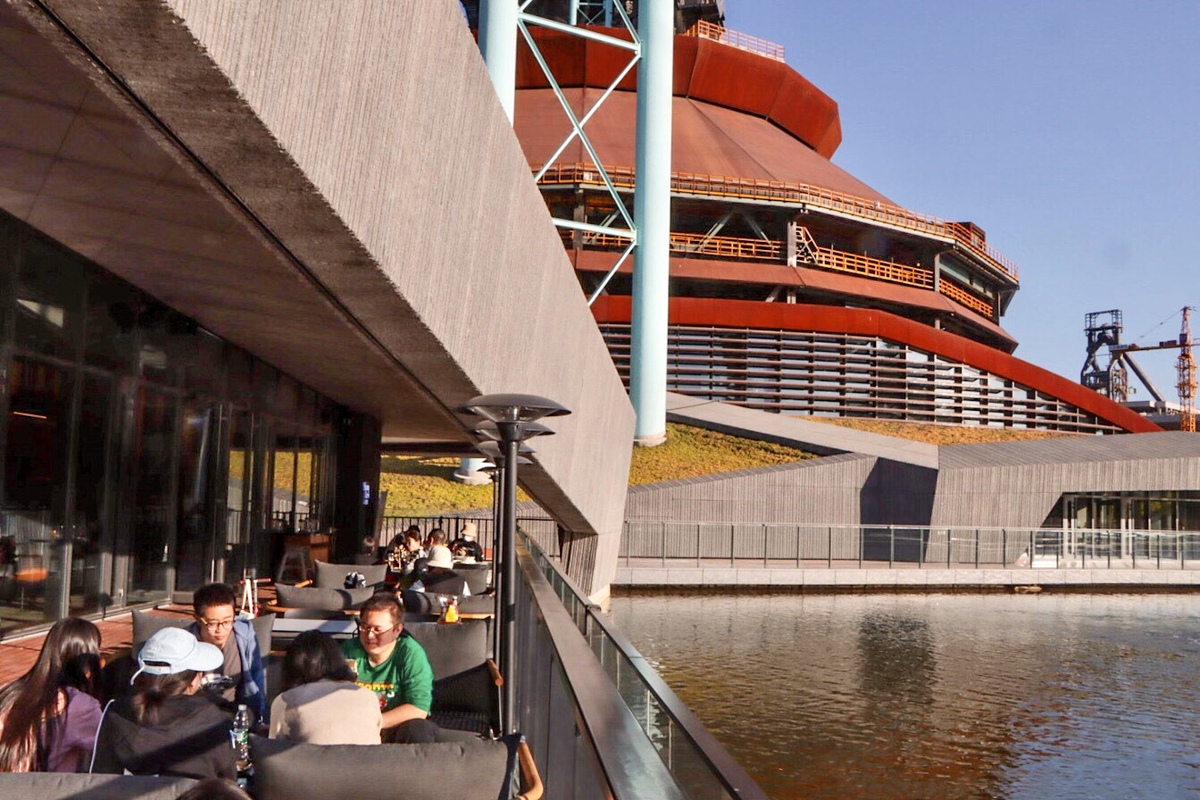
The entire area of Shoungang Park is worthy of several visits to examine how various components of industry have been brought into the modern era. The lakes, once elements of steel production are delightful today. Above one, Xiuchi Lake, rises massive frames of former blast furnaces, once core elements within the works. Yet, below such industrial archaeology nestles ShangBrew, a dining and craft beer venue now becoming a 'hip' destination within Shougang. Its lakeside outdoor terrace allows excellent views of the temple on Shijingshan.
Over my many years of association with China, I have experienced and stayed in a wide range of hotels with vastly varying quality. However, in recent years (particularly since 2008), I have witnessed considerable and ongoing improvements in design, levels of service and more within the hospitality sector. Today, China certainly has some of the world's leading hotels. Shangri-La Shougang Park represents more than a simple hotel. It is a concept that fulfills bringing an elderly industrial structure into contemporary usage through blending it with modernity. With the Winter Olympics now past, Shougang Park's heritage will remain as an excellent example of Beijing's ongoing urban and industrial regeneration.