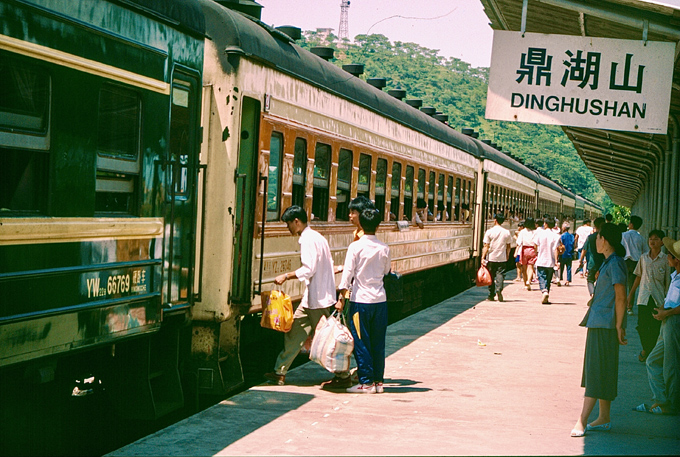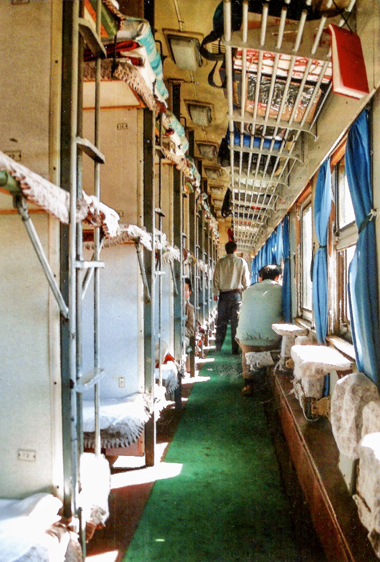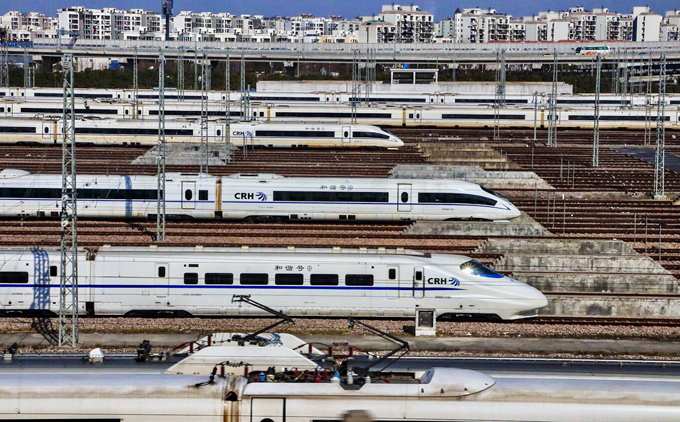
(Source: China Daily)
China's railways reflect country's changes
By Bruce Connolly | chinadaily.com.cn | Updated: 2021-11-23 11:24
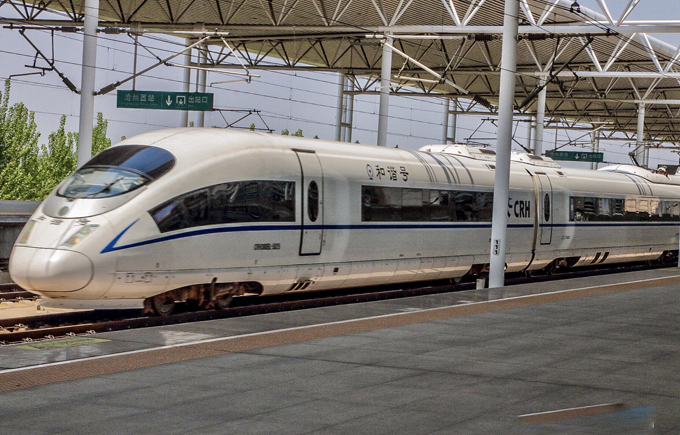
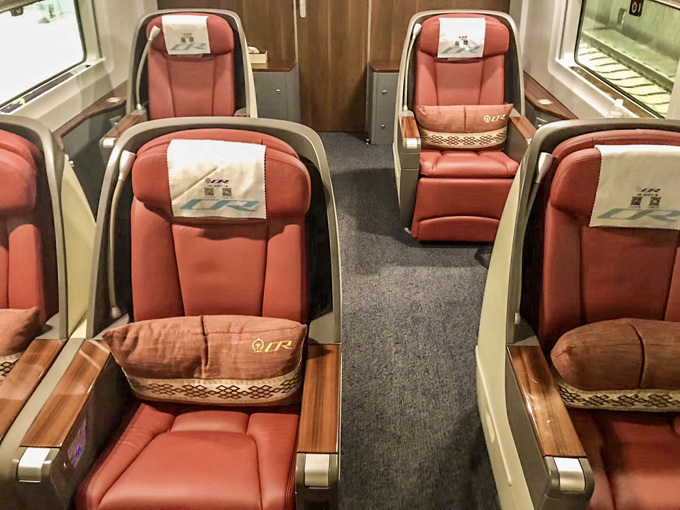
On a high-speed train in late October going between Tianjin and Suzhou, I was reminded of how much rail travel has changed in China. During that journey I sat on a comfortable seat, my laptop placed on a fold-out table while I proceeded with my latest article. Before arriving on time at Suzhou, I forwarded it via on-board wifi to China Daily in Beijing for publication later that day. This was achieved while travelling at a top speed of over 300 kilometers per hour.
The train had departed from modern, spacious Tianjin West, a new-build station increasingly the norm nationwide. Such terminals are designed not only to handle very large numbers of people but also provide a passenger flow system that maximizes movement and minimizes congestion.
At Suzhou North and more recently at Beijing's new Chaoyang Station, I visited customer service areas where tickets can be bought in an environment more like a modern airline office. Many travelers are booking online, resulting in shorter waiting times for anyone still purchasing a ticket in-person.
The development of high-speed rail is one of the greatest advancements I have seen across China since 2008. In August that year Beijing South Station opened to serve the nation's first high-speed service connecting to neighboring Tianjin for a journey of only 30 minutes. With newer stations, urban metro facilities often have direct transfers. I first saw this at Beijing South, where the metro station entrance connects directly with the railway hall. In earlier facilities, like Beijing Railway Station constructed in the 1950s,the metro had to be accessed across a vast, busy outdoor concourse. Not a pleasant situation for passengers with heavy luggage or braving rainstorms.
Looking back on my 34 years in China, the train has been my preferred way to travel. I am sometimes asked why I so often use the trains, sometimes on journeys up to three days in length. Initially to me, a Westerner, it didn't feel so easy to travel that way. It required a sense of adventure. The length of the trains alone could be quite daunting. Yet I quickly became more relaxed and familiar with the system.
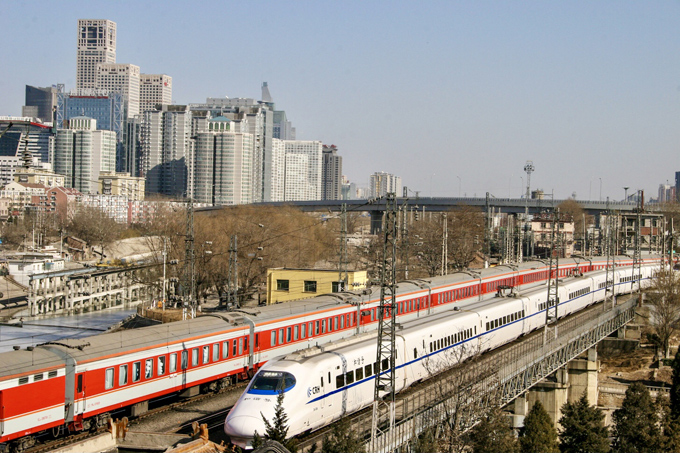
I could see from the map that this country, obviously had a great wealth of railway opportunities awaiting, if I could just master the system. It did not take long before I would strike out across the country - something I still have an enduring passion for, with rail continuing to be my preferred mode of travel.
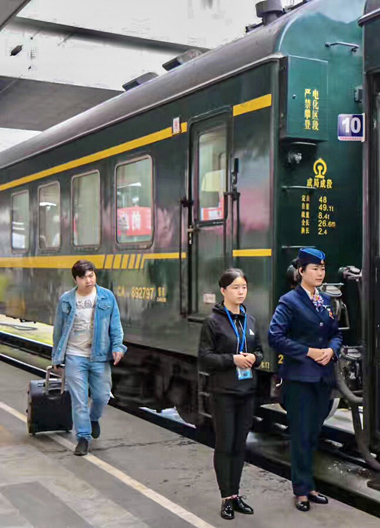
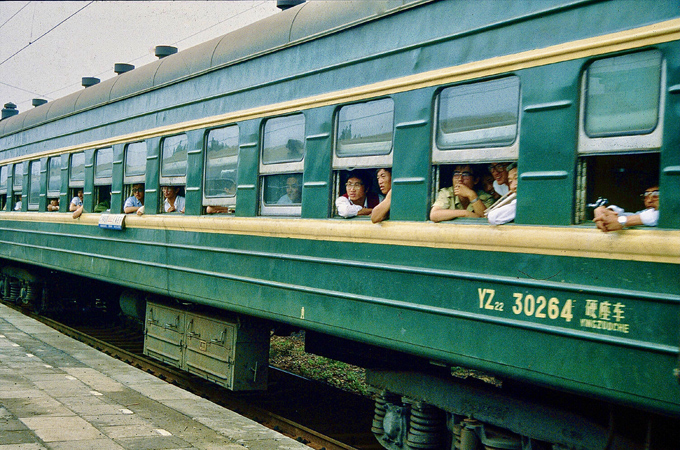
As the country's economy grew, rail usage increased substantially and such inevitably became major bottlenecks. This was one of several reasons for the construction of a high-speed network — to move most passenger traffic from the older, standard tracks which would then carry increased volumes of freight along with a reduced number of conventional services. The latter, often referred to as "green trains", continue to play an important role in the overall system, often serving smaller towns, cities and more remote areas.
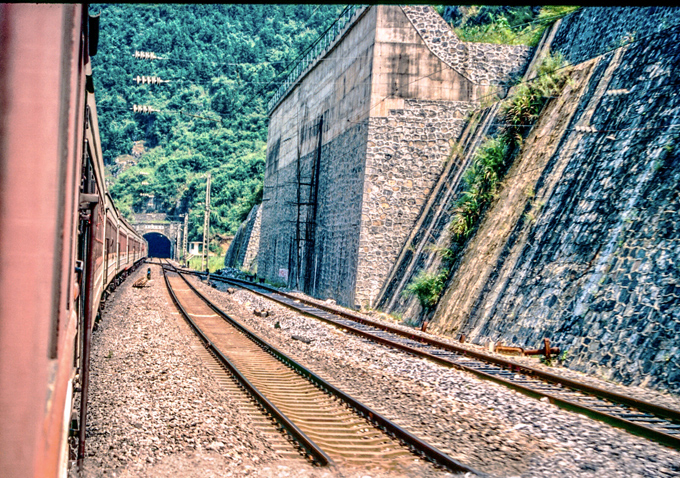
Rail travel can also showcase incredible civil engineering achievements from the past. A lengthy section on the line between Guizhou and Yunnan provinces traverses difficult mountain landscapes. Construction involved multiple bridges and tunnels to carry this vital line south. As the train steadily, carefully moved along a terrace cut out of a cliff, I would look down over steep drops into a valley below. At tunnel entrances, plaques indicated construction dating to 1965 and 1966. Long before the advent of modern technology on today's lines, some of those older tracks involved considerable human labor. Such railways, still operating successfully today, are a testimony to the incredible work undertaken to cross such a harsh landscape.
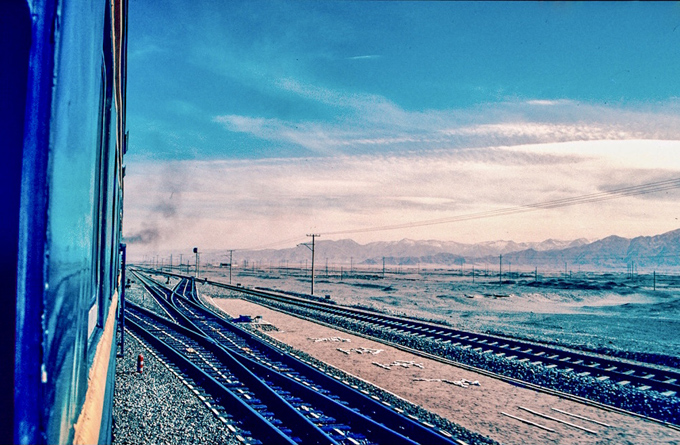
From such journeys I could appreciate the importance of rail construction in creating a modern land transport infrastructure for China, particularly after 1949. Aviation was not yet an option, and road journeys would be long and difficult. Railways were pushed westward toward Xinjiang and into the high-altitude Qinghai-Tibet Plateau. These are lines I have explored thoroughly on my quest to discover China outside its eastern coastlines.
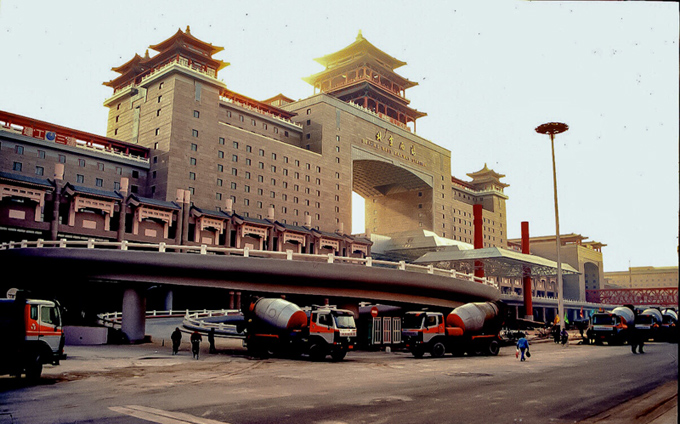
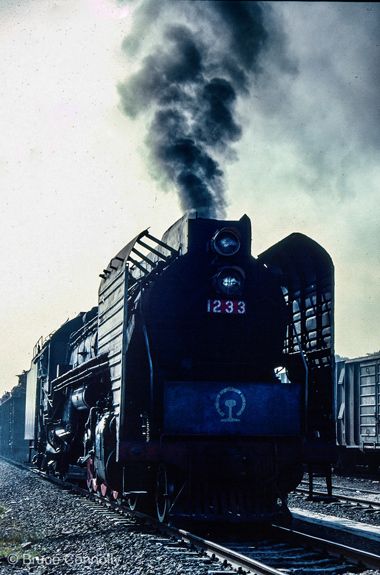
Even before the present era, much work was underway to increase capacity while upgrading speed. I watched the growth of electrification replacing diesel, which in turn had replaced steam. Guangzhou and even Kunming could be reached in only one night. Upgrades improved comfort and facilities on overnight trains, as I have experienced recently from Dalian and Dandong to Beijing or to Chongqing. Sometimes, I still use such traditional trains, particularly through areas I have not experienced before. There are some recent constructions I want to experience, such as the line to Lhasa and onward to Nyingchi. Taking the line to Lijiang, now being extended to Shangri-la, is another ambition.
Extending the high-speed network serves many purposes besides leisure travel. Such services have greatly reduced intercity travel times, leading to greater integration and accessibility between cities. The economic effects and benefits of this are evident today in high-tech economic areas with futuristic architecture rising around a new generation of stations, such as Suzhou North.
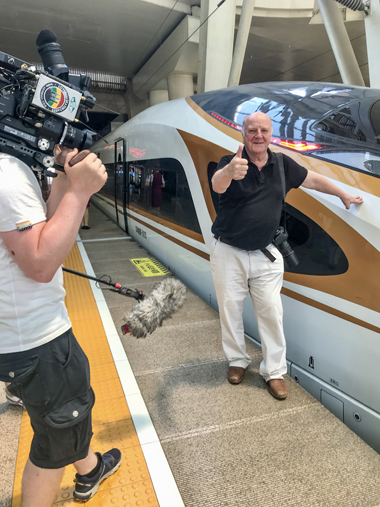
The level of service on board today is more akin to air travel than the railways of yesteryear. The comfort, cleanliness and facilities are world-class. In June 2018 I was invited to be part of a BBC television program, Scots in China. I was filmed at Beijing South Railway Station and on a Fuxing high-speed service to Tianjin. Onboard, the recording took place in business class. It was a great way to introduce the advancements of China's railways to the world.
The views don't necessarily reflect those of China Daily.
If you have a specific expertise and would like to contribute to China Daily, please contact us at opinion@chinadaily.com.cn , and comment@chinadaily.com.cn