(Source: China Daily)
'A Date with China': Environmental progress across the eastern coastal lowlands of Tianjin
By Bruce Connolly | chinadaily.com.cn | Updated: 2021-10-31 14:32
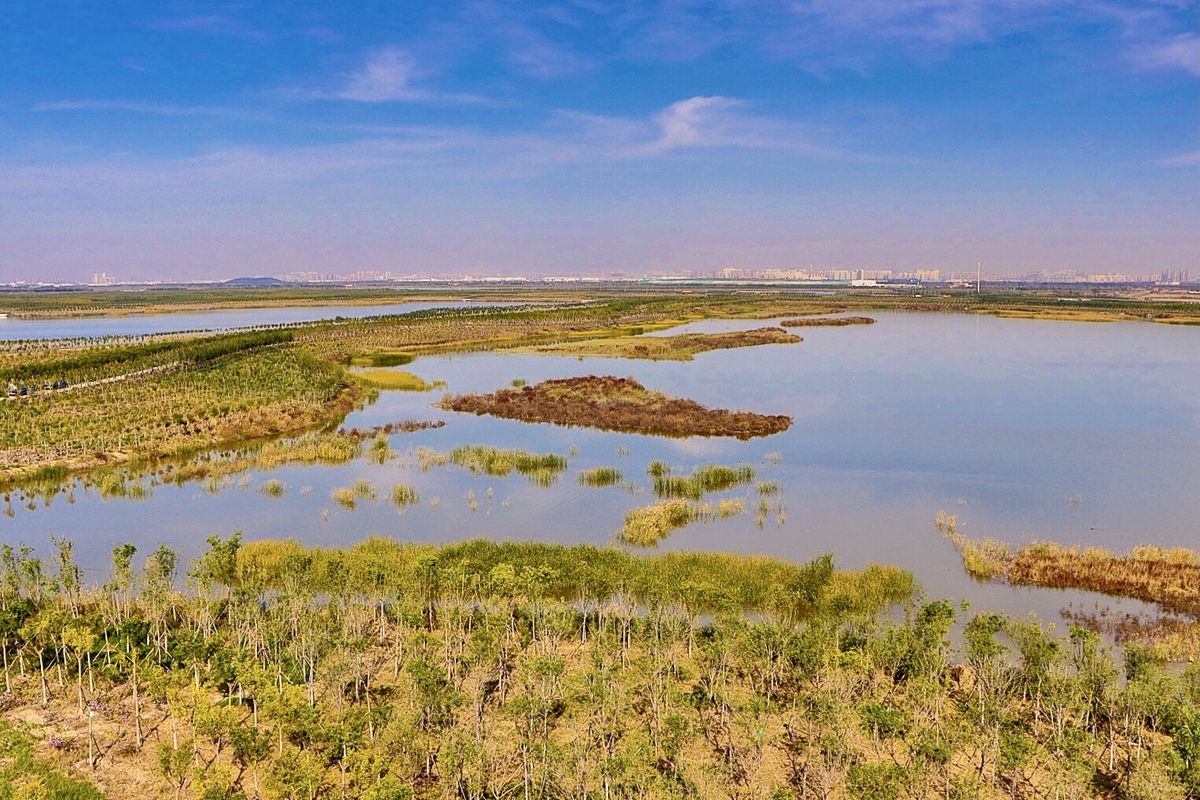
Northern China's Tianjin is certainly more than just a city; indeed, it is a truly fascinating and indeed diverse municipality covering 11,760 square kilometers. Its topography encompasses a wide variety of landscapes stretching from a mountainous section of the Great Wall in the north to vast stretches of low-lying, indeed flat land, bordering the Bohai Sea. The main urban center and historic core of Tianjin sit on this plain. It straddles the Haihe River, which historically connected Beijing, via the Grand Canal, with the sea. The plains also incorporate countless villages along with several beautiful water towns.

Recently, I had an opportunity to travel eastwards from downtown, through Jinnan district crossing extensive wetland areas to reach the core of Binhai New Area close to the Haihe estuary. As a geographer, I found the journey truly fascinating - yes, flat landscapes can be fascinating when looked at closely.
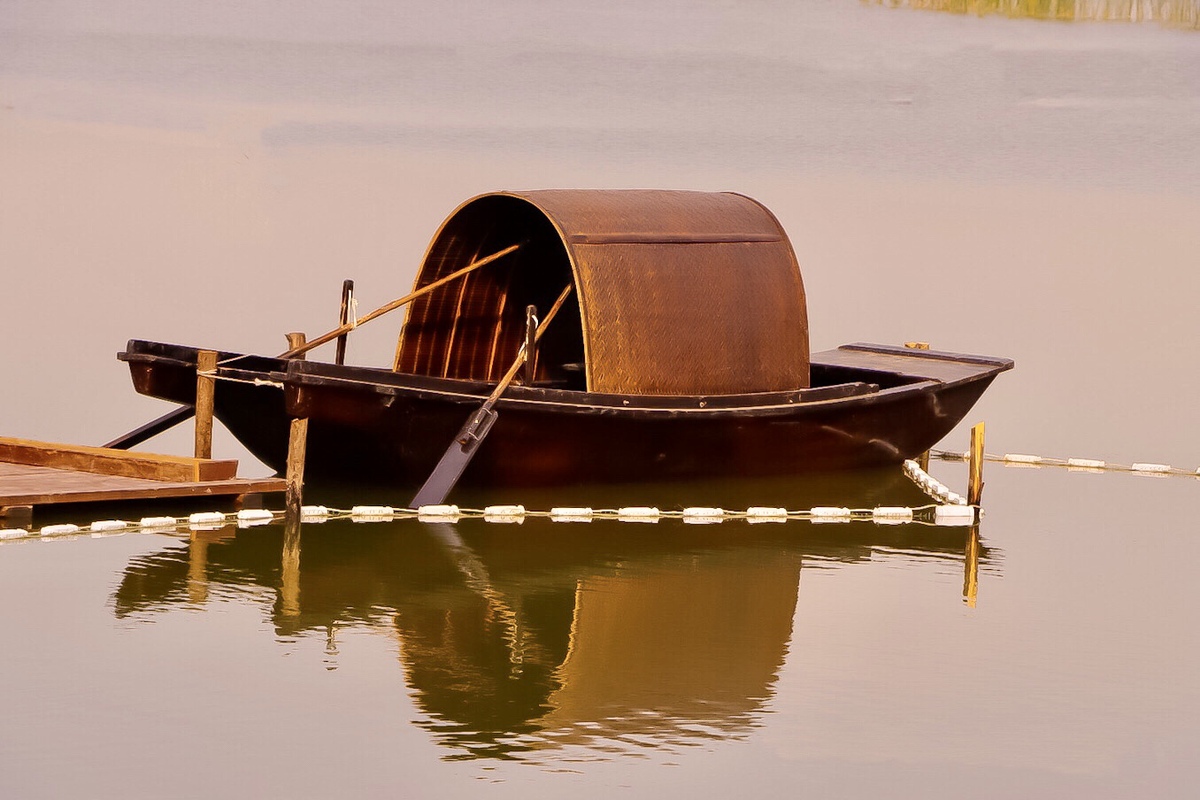
Crisscrossed by a maze of waterways, some navigable by small crafts, the terrain is only a few meters at most, above sea level. Go back in time, less than 2000 years ago, there was little, if any, land visible. The plain contains great depths of river-borne alluvium - sediments carried down over time from inland mountain ranges such as the Taihang, even the yellow soil of Shaanxi. Gradually, deposition led to marshes, and eventually land appeared.– This process of sedimentation is still going on beyond the Bohai Sea's present-day shores. Over time, despite this "new" land not particularly suited for large urban settlements, many of the meandering streams were straightened and land reclaimed for farming around small villages. Fishing was important along with salt beds, the latter a significant factor for Tianjin's historic strong economic growth. However, some industrialization also appeared during the early 20th century, constructed with sadly little concern for the local environment. Areas of the wetlands degraded.
The scene today is very different, with environmental consideration becoming a top priority in China. This is something I have noticed increasingly in recent years. The skies above Tianjin and Beijing clearly show this. Gone are the days of somber grays with poor air quality, today we look upwards more often to blue.
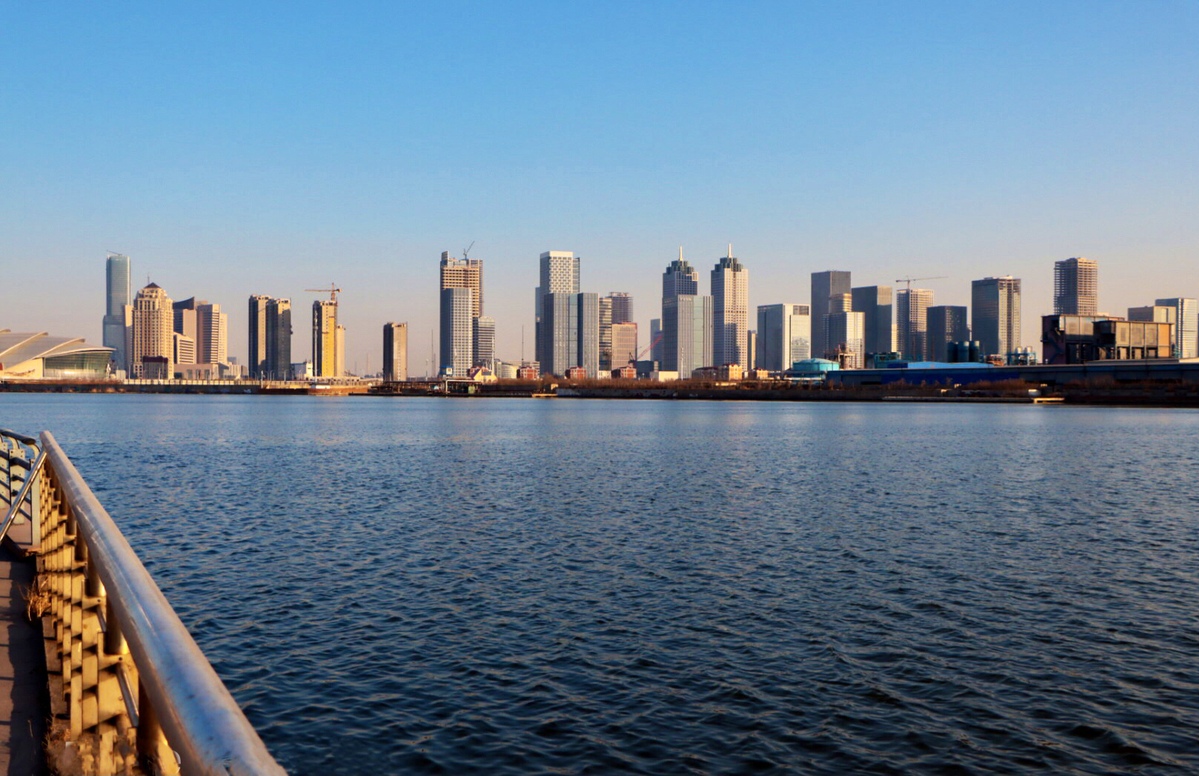
In and around Tianjin, I have witnessed closely several projects transforming formerly rundown landscapes into first-class assets for the people. An obvious example is the Haihe River, whose banks have been transformed into a quite beautiful linear corridor. Parks within downtown have emerged from where older industries once operated. In Binhai's Teda area, earlier this year, I visited an example of such rejuvenation, Taifeng Park, which is quite close to Tianjin Port.
On this recent tour, there was an opportunity to walk through and experience some of the extensive development, such as the Bailiwan green belt. So far, 3 billion yuan has been spent to transform a formerly neglected landscape into pristine conditions boasting over 550,000 trees; lakes now rich in fish; stretches of reclaimed farmland; and more. Jinnan is at the center of a 736 square kilometer "green district" stretching across five adjoining districts of Tianjin. The aim is to create an extensive ecological zone running from downtown Tianjin to the coastal areas, including Binhai. It is aimed also as one of the projects benefitting the environment and ecology of the Beijing-Tianjin-Hebei region.
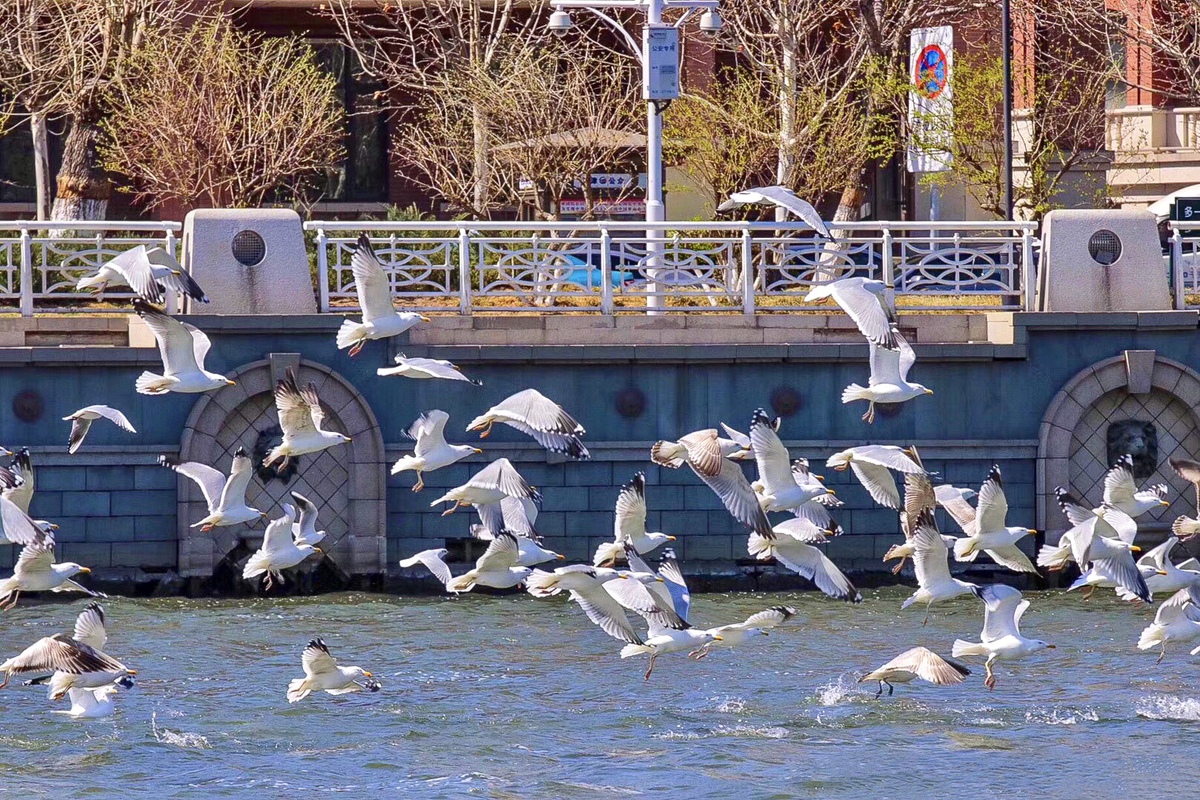
Fortuitously there is a high tower featuring a viewing platform accessible by elevator, or visitors can walk up. This provides extensive panoramas across lakes and recently reforested areas. This tower is also useful for bird spotting as Tianjin is on a bird migratory highway. Large flocks of gulls from northeastern Russia and Mongolia head south to warmer climates in central China during late autumn, returning north in spring. Tianjin's lakes become a resting point on the journey; the attraction of watching the birds around the Haihe River during daylight hours is increasingly a local tourist attraction. The flocks head back to the surrounding waters for overnight stays.
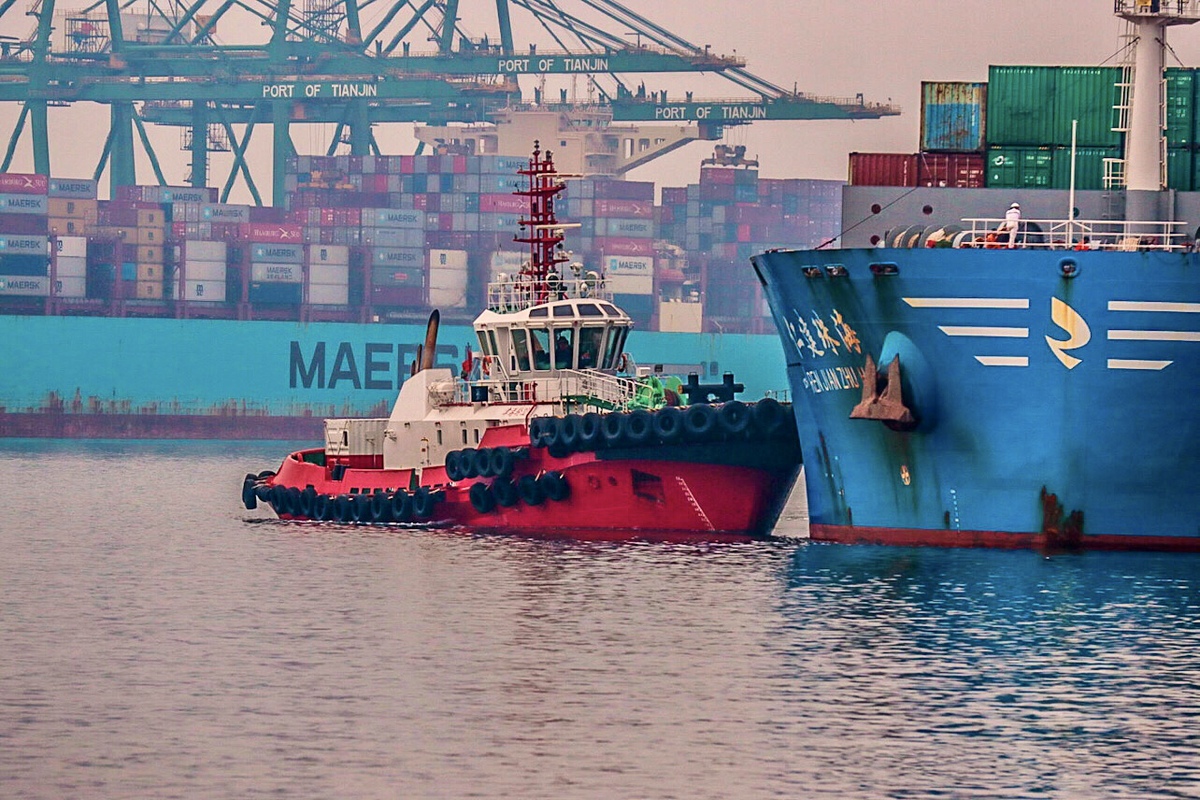
Our route continued northeastwards across the plains. Again there were numerous watercourses and lakes, but also modern villages and new residential areas resembling small towns, local tourist developments, and more. We were approaching where the Haihe River widens, slowing down before entering the Bohai Sea. The latter is a vast semi-enclosed gulf that opens out to the Yellow Sea and the Pacific Ocean. Over time and continuing today, it has been northeastern China's gateway to world maritime trade. Indeed Tianjin itself boasts one of the world's largest container ports located exactly where the Haihe River merges with the Bohai Sea. Indeed the entire Bohai Bay has been identified as a major economic growth engine after the Yangtze Delta and the Greater Bay Area of the Pearl River in southern China.
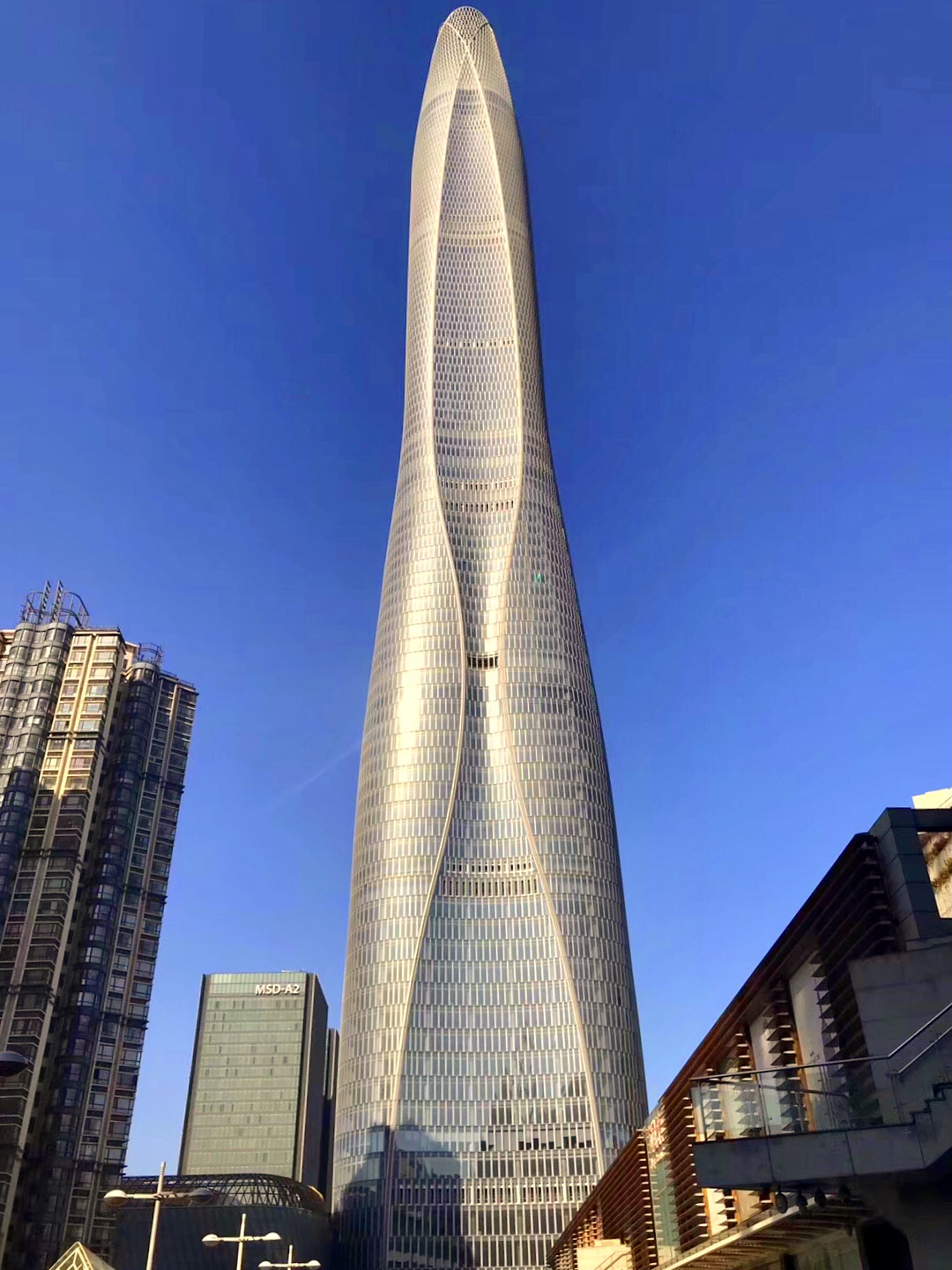
Today, just north of the port, a recently constructed landmark rises 530 meters high. The CTF Finance Centre, completed in late 2019, is the world's seventh-tallest skyscraper, standing in many ways as a symbol of rejuvenation of this now increasingly dynamic district. The tower rises above the aforementioned Teda (Tianjin Economic-Technological Development Area) and is a crucial part of the Binhai New Area. Established on December 6, 1984, it is one of China's earliest national-level development zones. I first visited it in 1996; today, it has grown substantially, becoming home to both domestic and international high-tech and innovation companies laid out in a well-planned spacious and green environment. Our visit also took us to Zhongxin Pharmaceuticals, a fascinating introduction to the modern-day production of Chinese medicines.
Continuing north through Teda, beyond Tianjin University of Science and Technology, a high-level bridge spans the Yongding River - the same watercourse that flows through Beijing's Mentougou and under the famed "Marco Polo Bridge" at Lugou Qiao. Fishing boats and small container vessels were moored in the waters below as we continued toward another renowned environmental development. China-Singapore Tianjin Eco-City, about 30 square kilometers in area, is somewhere I have longed to visit. The project was first mooted and signed into an agreement between Singapore and China in 2007 with construction commencing in 2008.
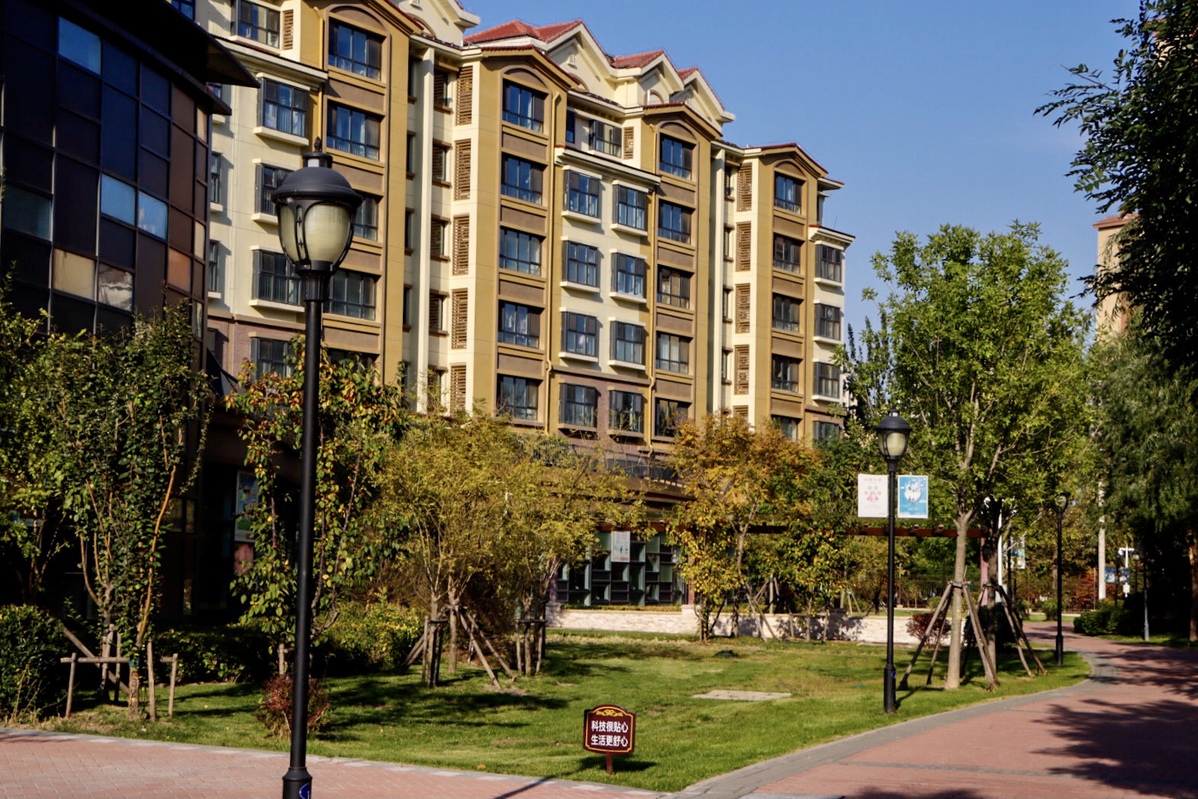
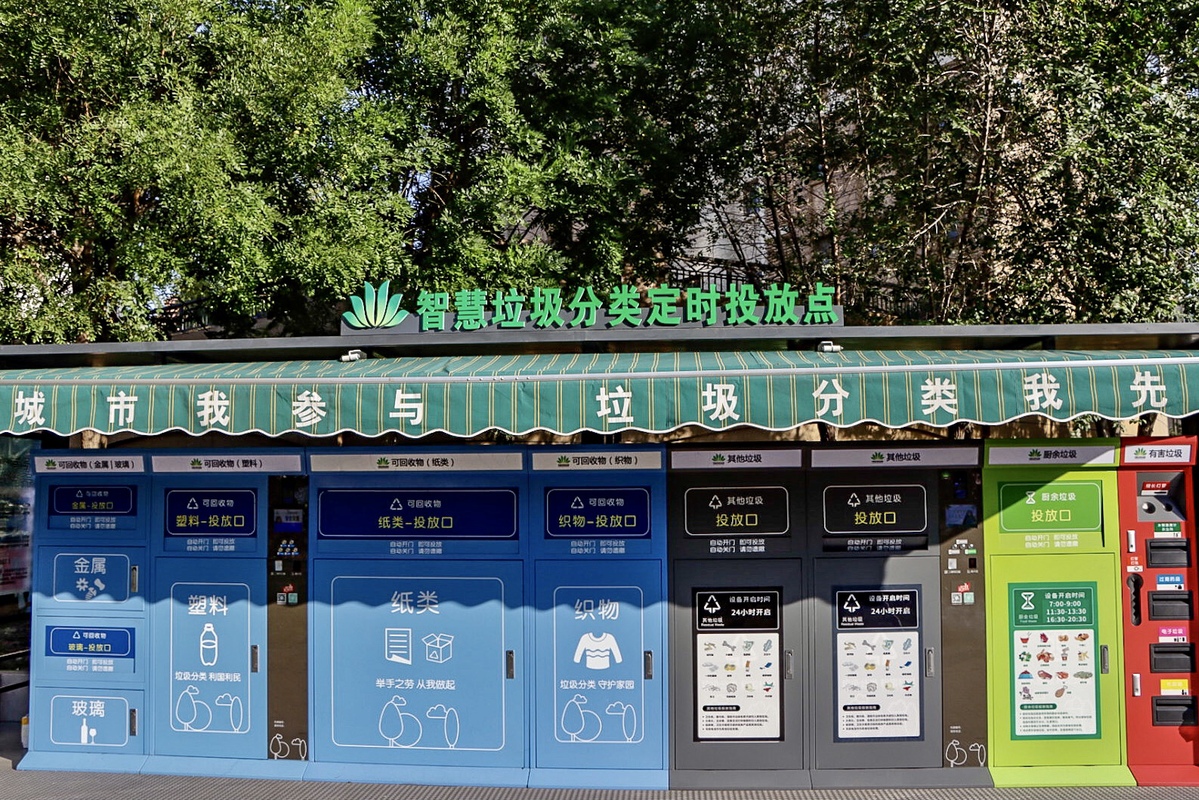
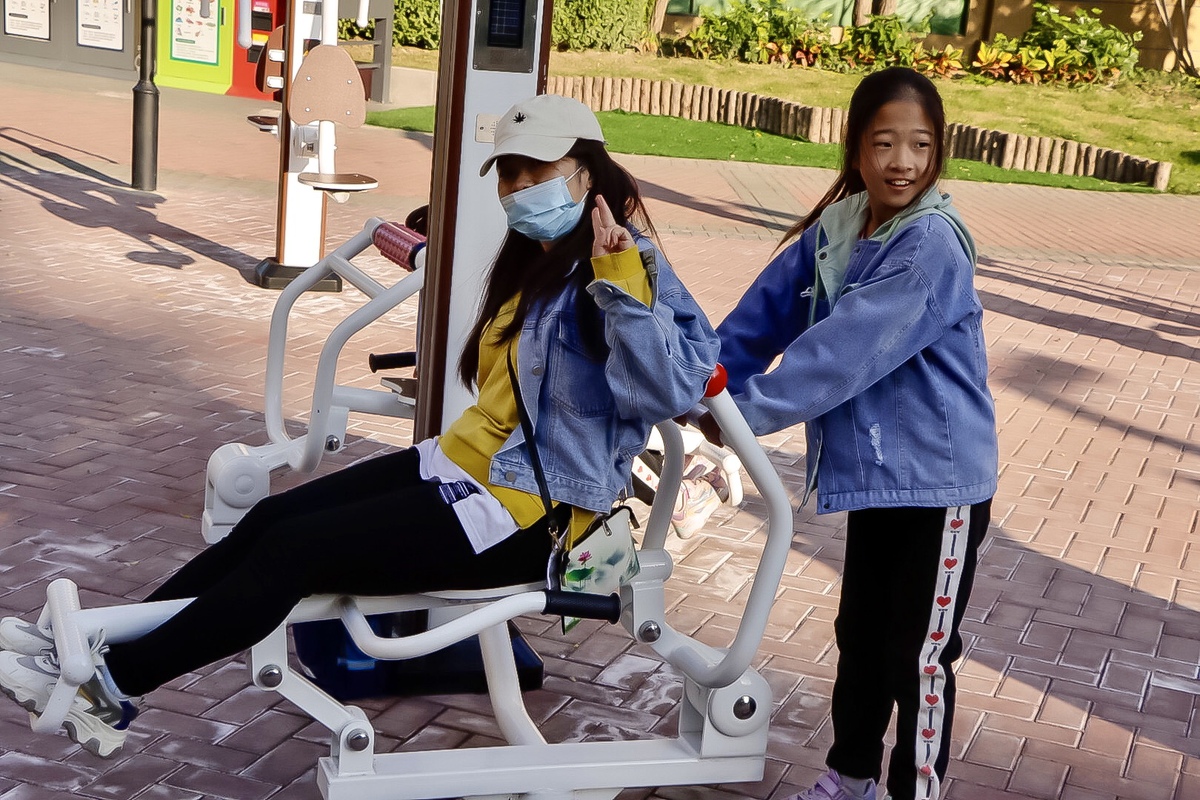
The site for the overall scheme interestingly was chosen because the land was non-arable while also facing water shortage. It was an attempt to show and illustrate how sustainable urban development could be created even where there were obvious environmental challenges. Indeed, the land area was quite barren, with many salt pans and waste deposits. The aim was to turn this around, to create a vibrant, environmentally-friendly location that could stand as a positive example of sustainable urban development, to create a livable environment. The transformation has been amazing, creating garden-like living areas. We would visit one, a section known as Seasons Garden. It appeared the area was designed for convenient walking between facilities such as shopping, community centers and transport. Indeed I had the feeling that it is certainly pedestrian and cycling-friendly. I saw a network of excellent cycleways, which were well used by residents. It is estimated that most residential areas are within 500 meters of free sports and recreational facilities.
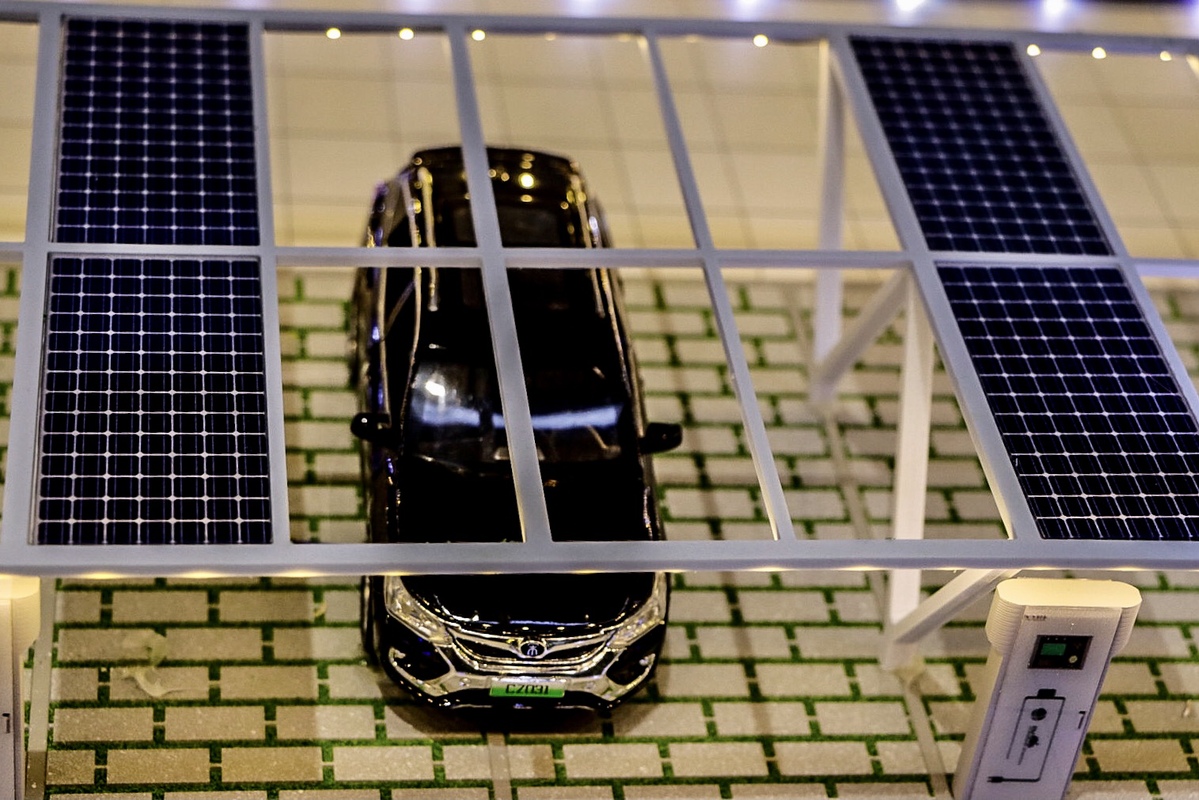
The area nearby is home to innovation and technological developments. A department of State Grid, China's electric power distributor, had a truly fascinating display of robotic technology utilized in overhead transmission cable repair and management.
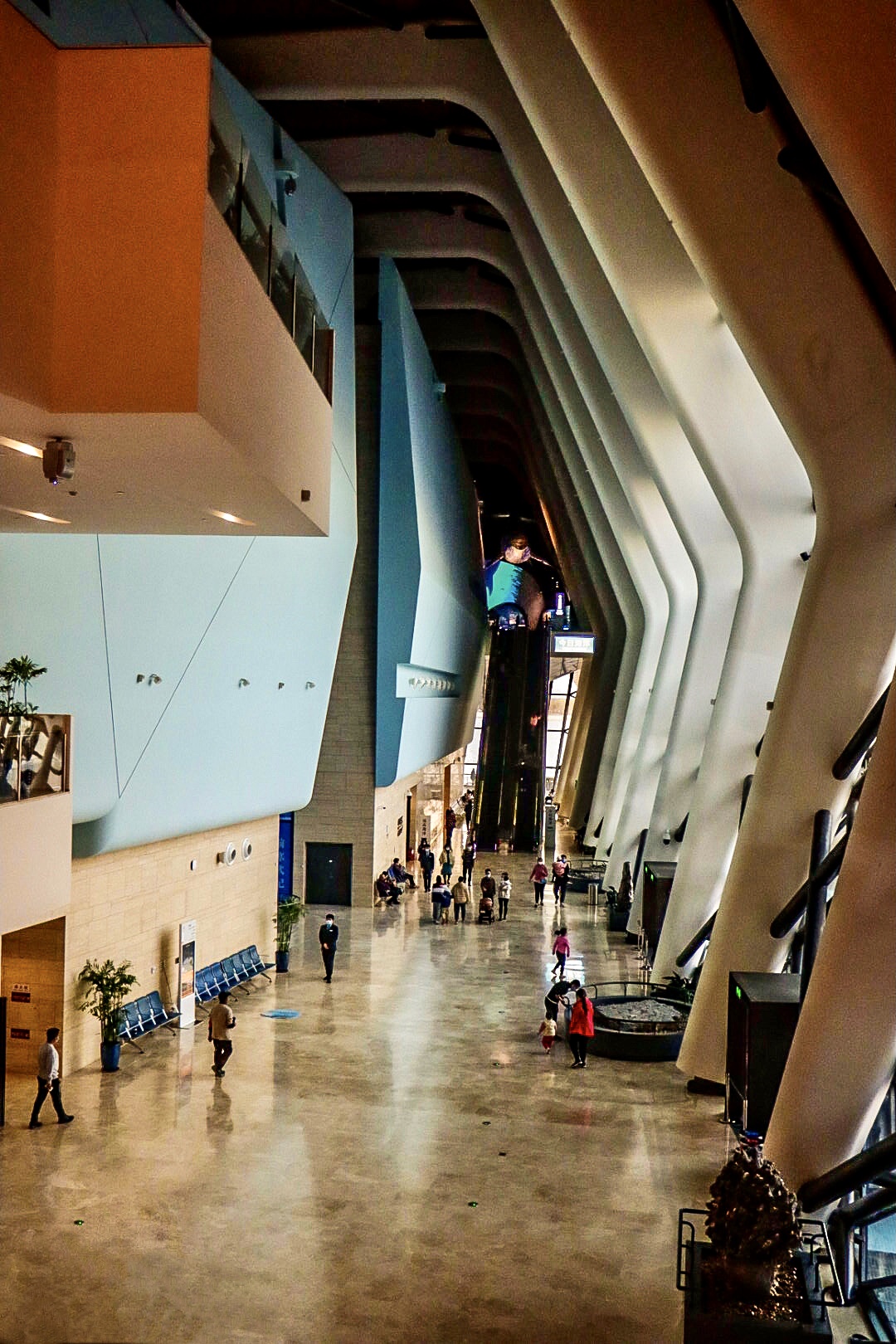
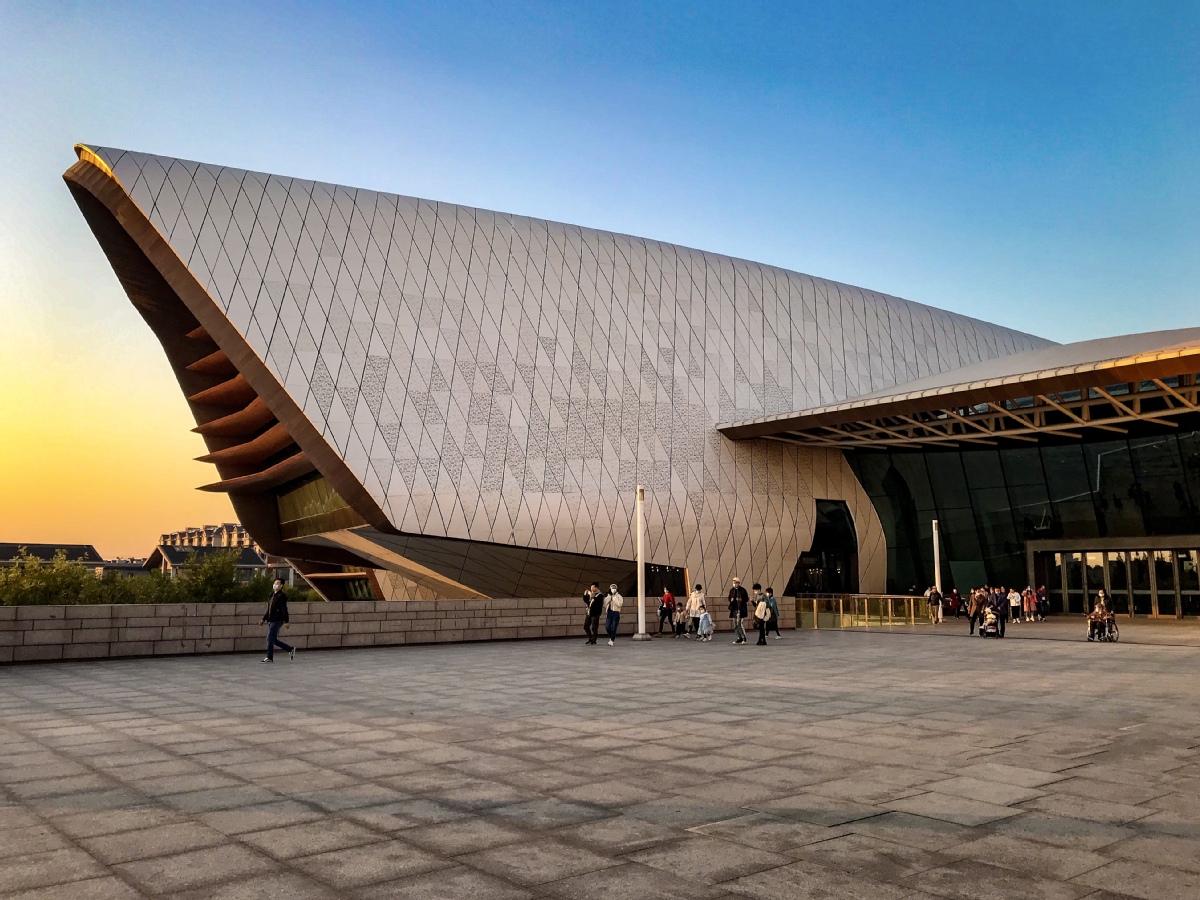
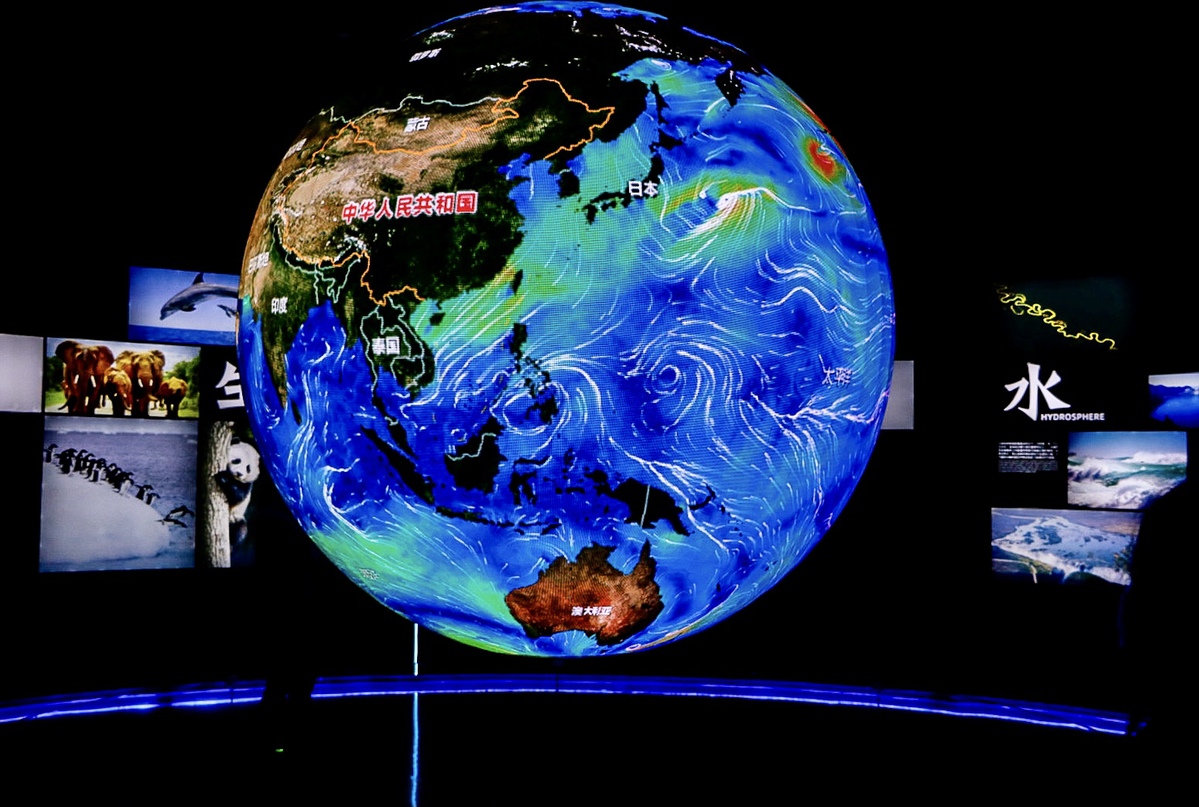
Overlooking the Bohai Sea is surely an appropriate location for the 80,000 square meters National Marine Museum of China. Undergoing a "soft opening" in May 2019, it is today a world leader in its class. Stunning architecture of two interconnected buildings, it graphically and visually illustrates the story of the world's oceans. Much about the earth's history and the impact the seas have constantly on often vulnerable coastlines. It also has countless displays of sea creatures, from tiny crustaceans to large whales. Again, the museum emphasizes the importance of carrying for the environment while showing graphically the destruction that an ocean can inflict in coastal areas during periods of earthquakes, tidal waves and climatic disturbances. It was certainly a fitting end to a very thorough visit to the eastern coastal lowlands of Tianjin. A day when I learned much more about this city which has held my fascination for many years.
As evening fell, it was time to head back by coach, along a fast expressway toward downtown Tianjin. For part of the route, the road paralleled both the Binhai elevated metro line and a high-speed rail - the latter connecting Binhai's futuristic-looking railway station at Yujiapu with the city center in only 22 minutes. From the bus, I looked south to the lights of Yujiapu's high-rise skyline at the heart of Binhai's growing financial district. Soon, more familiar landmarks appeared as we crossed the Haihe River via one of Tianjin's numerous brightly illuminated bridges to arrive within part of a former international concession area. There, on Yingkou Road, fittingly our final dinner would be of sumptuous, delicious local dumplings and traditional Tianjin savories served in a popular, indeed famed restaurant surrounded by history.
Early next morning, we would be heading off by rail, south to Suzhou, where another chapter in this journey of discovery would begin.
Bruce Connolly was a participant on a recent International Media Tour, 'A Date with China' organized by China Daily