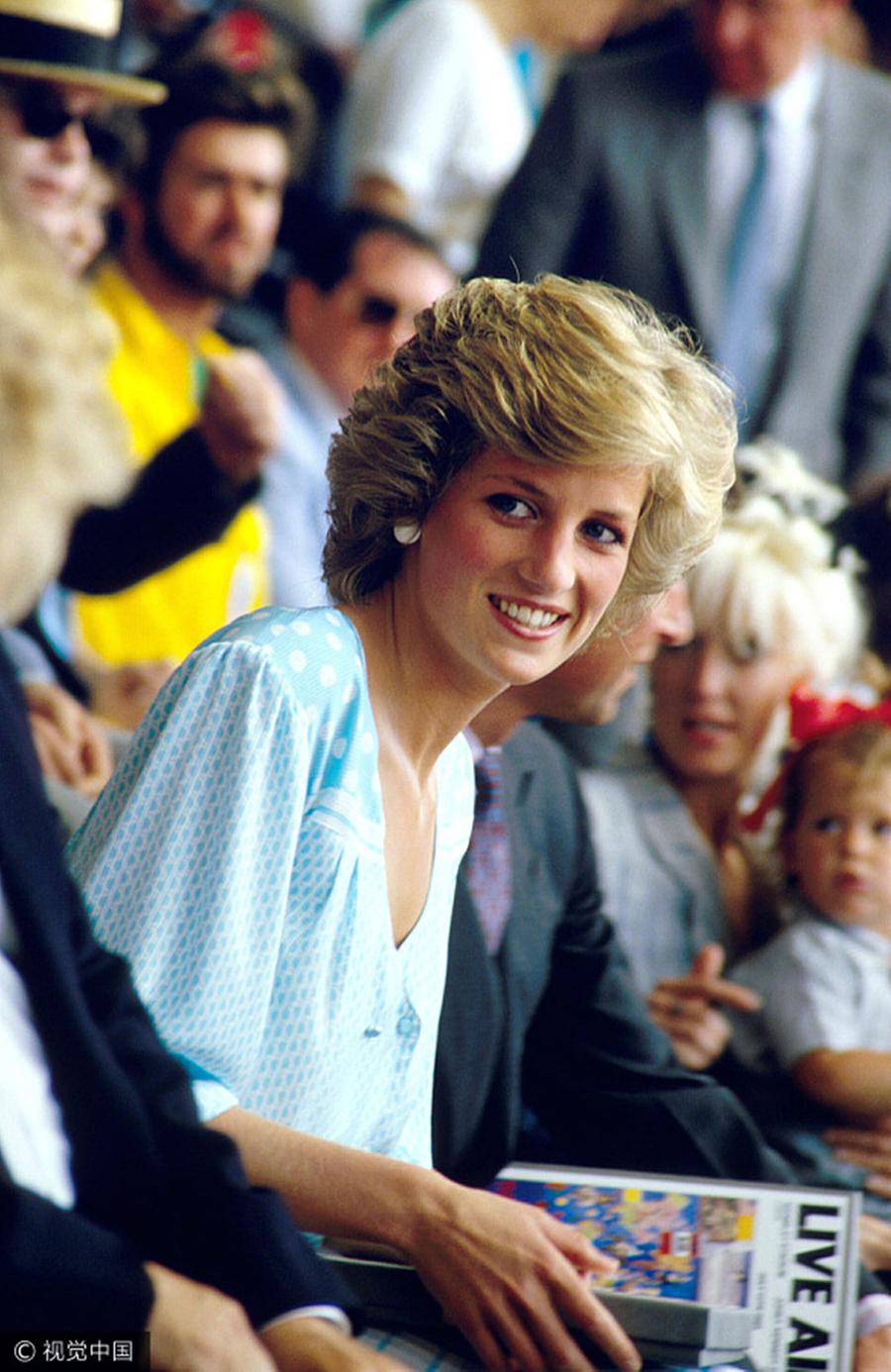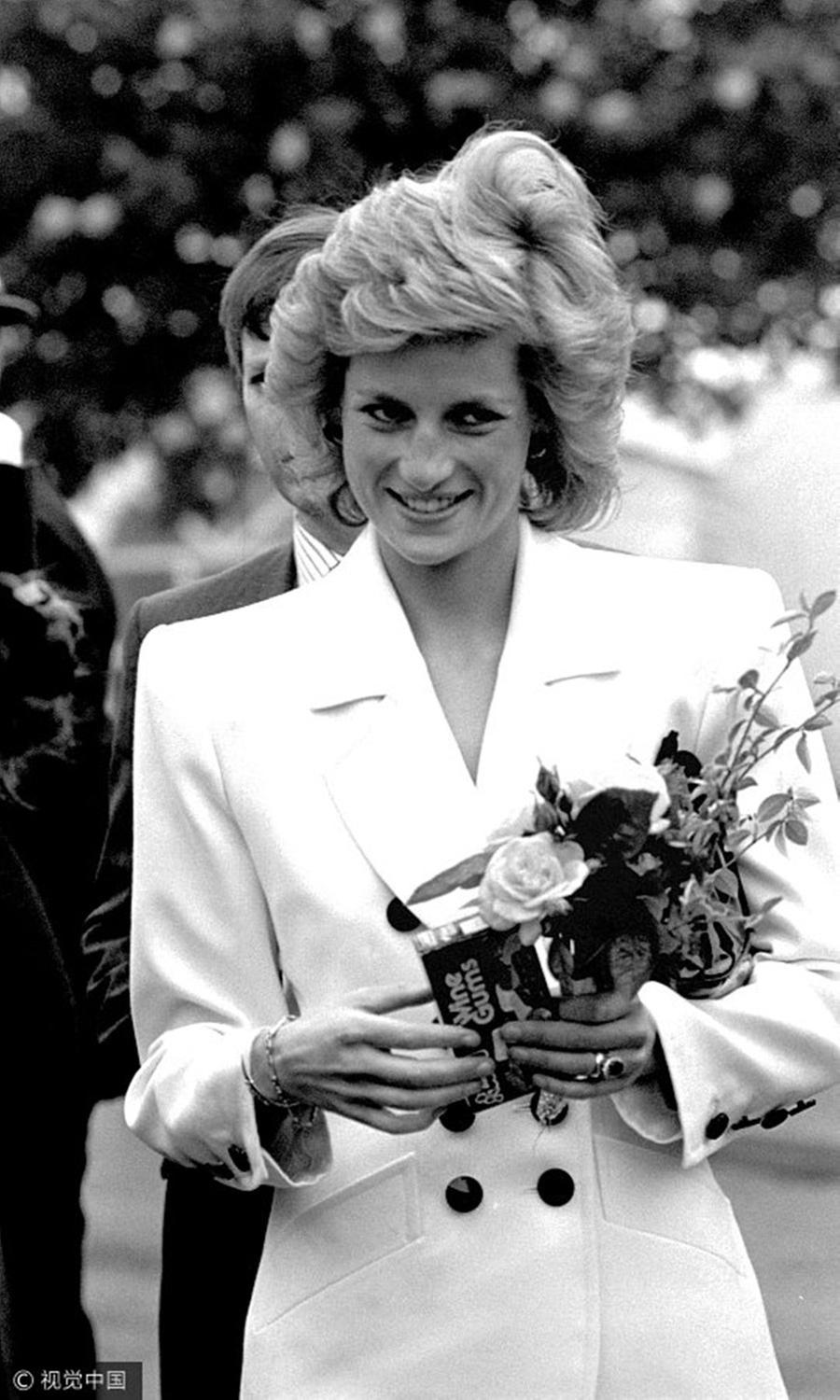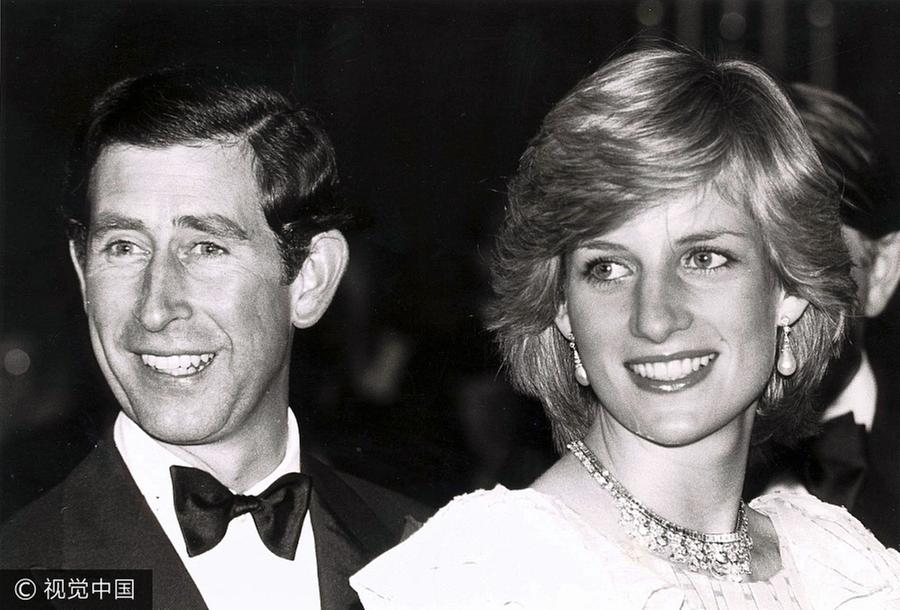
(Source: China Daily)
20 years on, Britain's Diana cult lives on
By James Skinner | chinadaily.com.cn | Updated: 2017-08-30 15:26
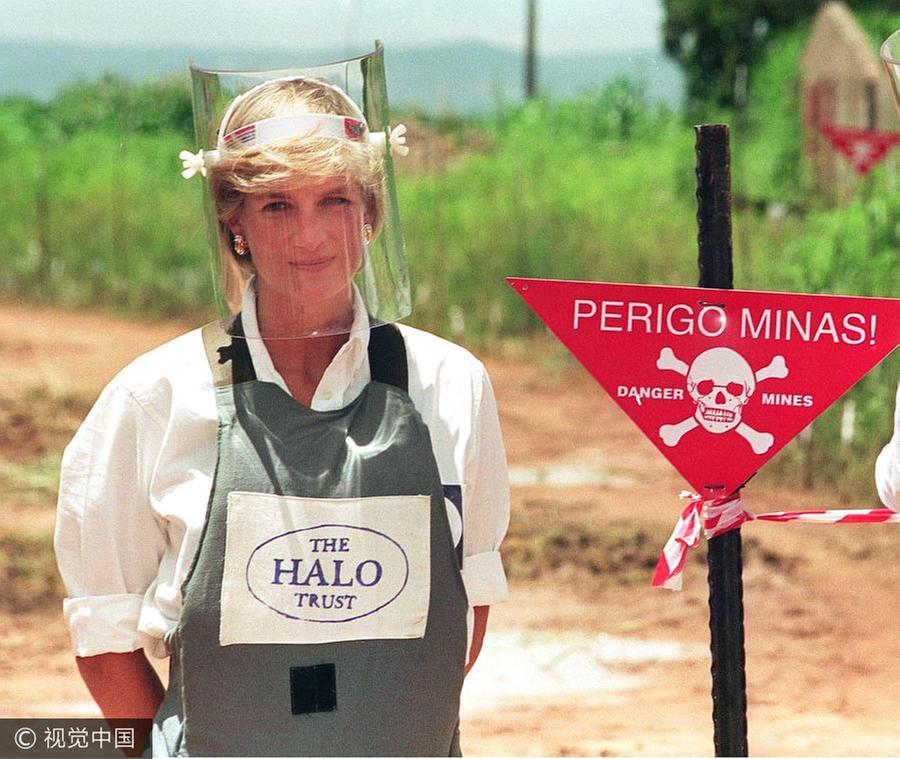
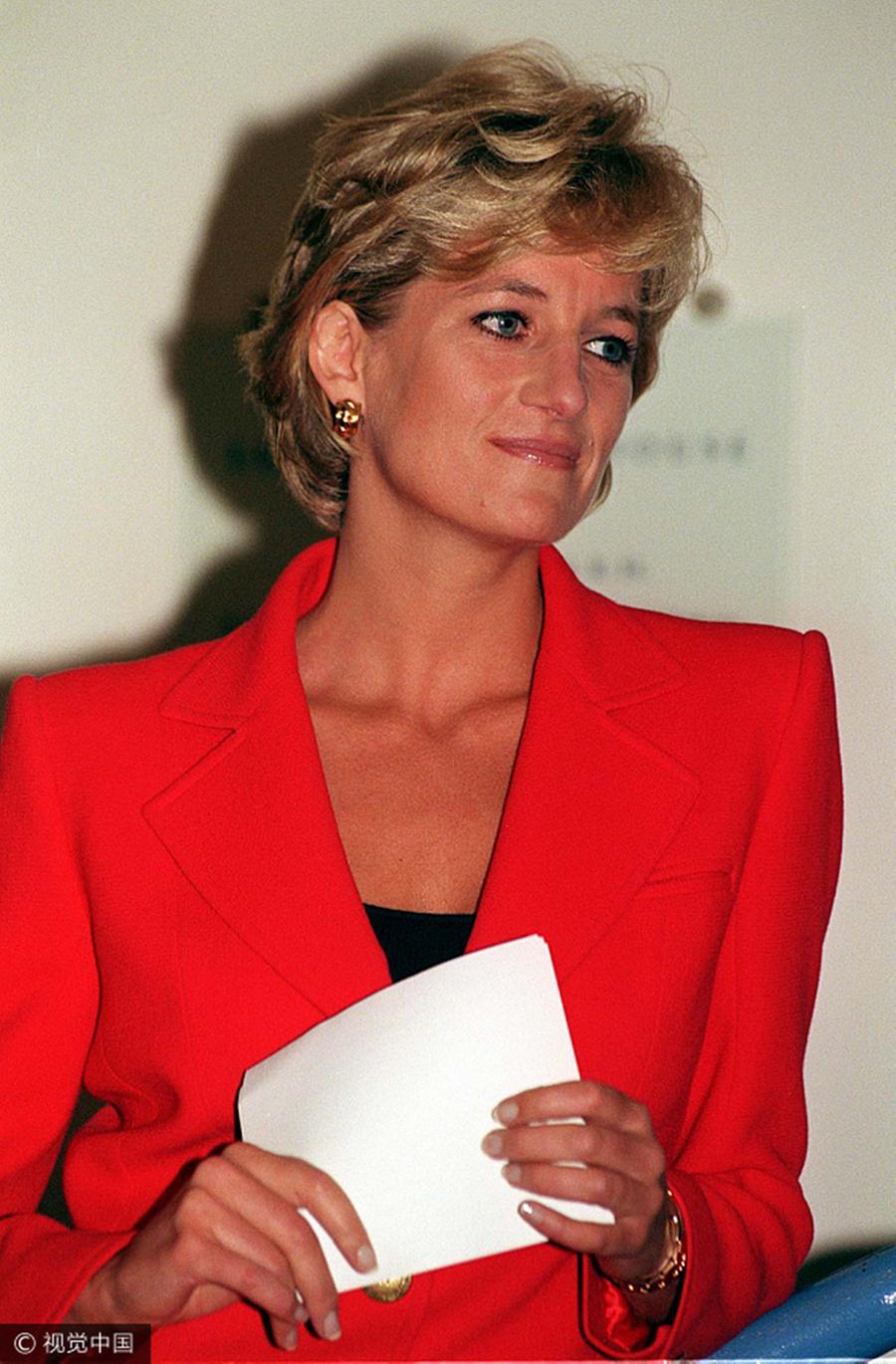
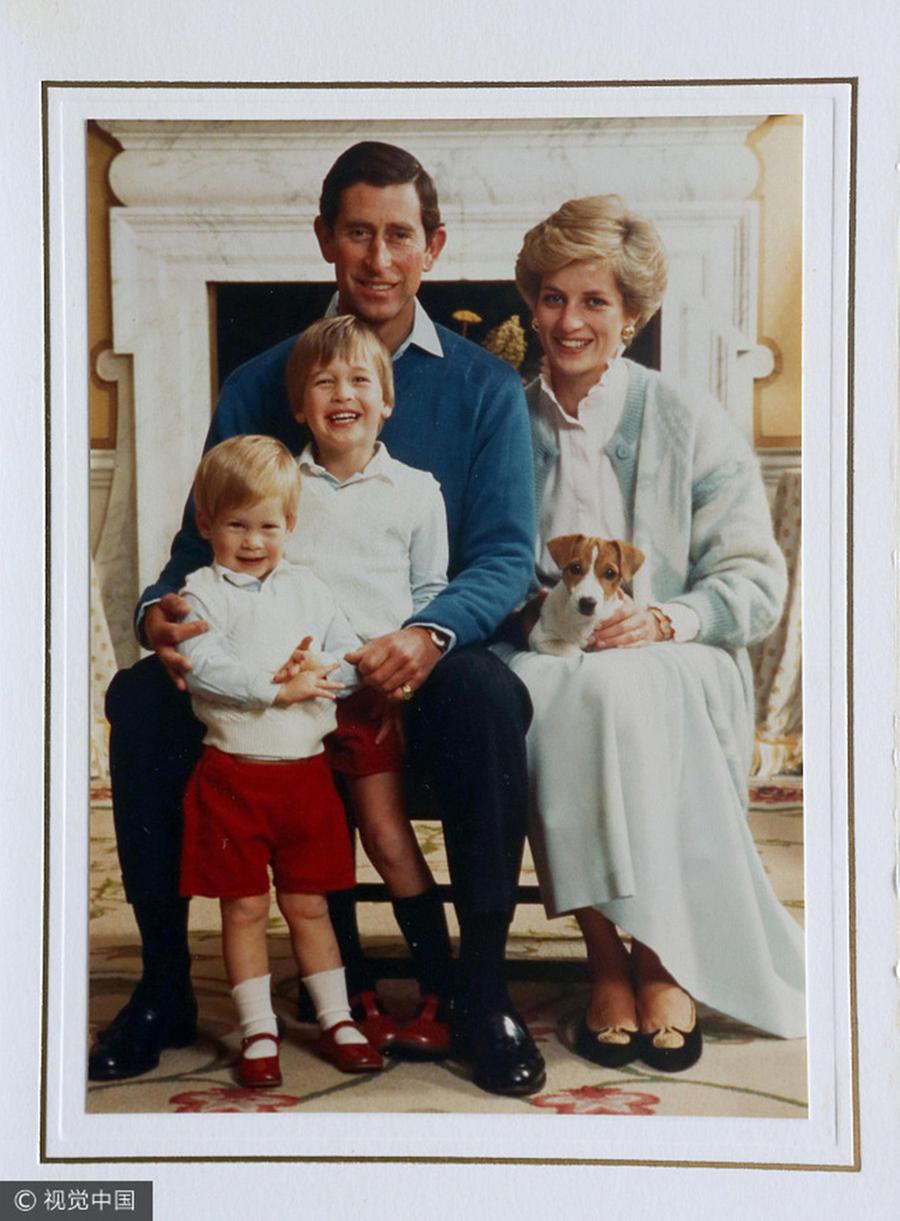
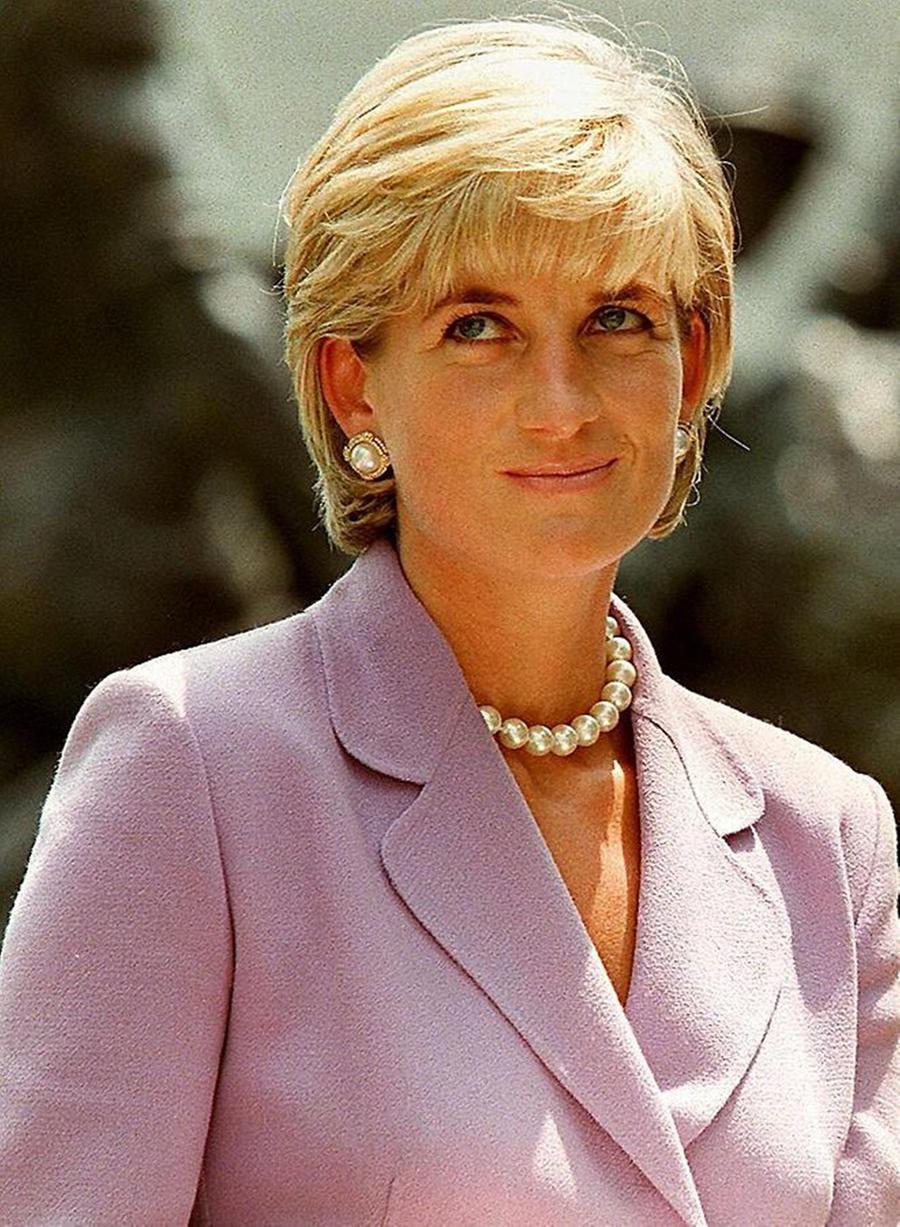
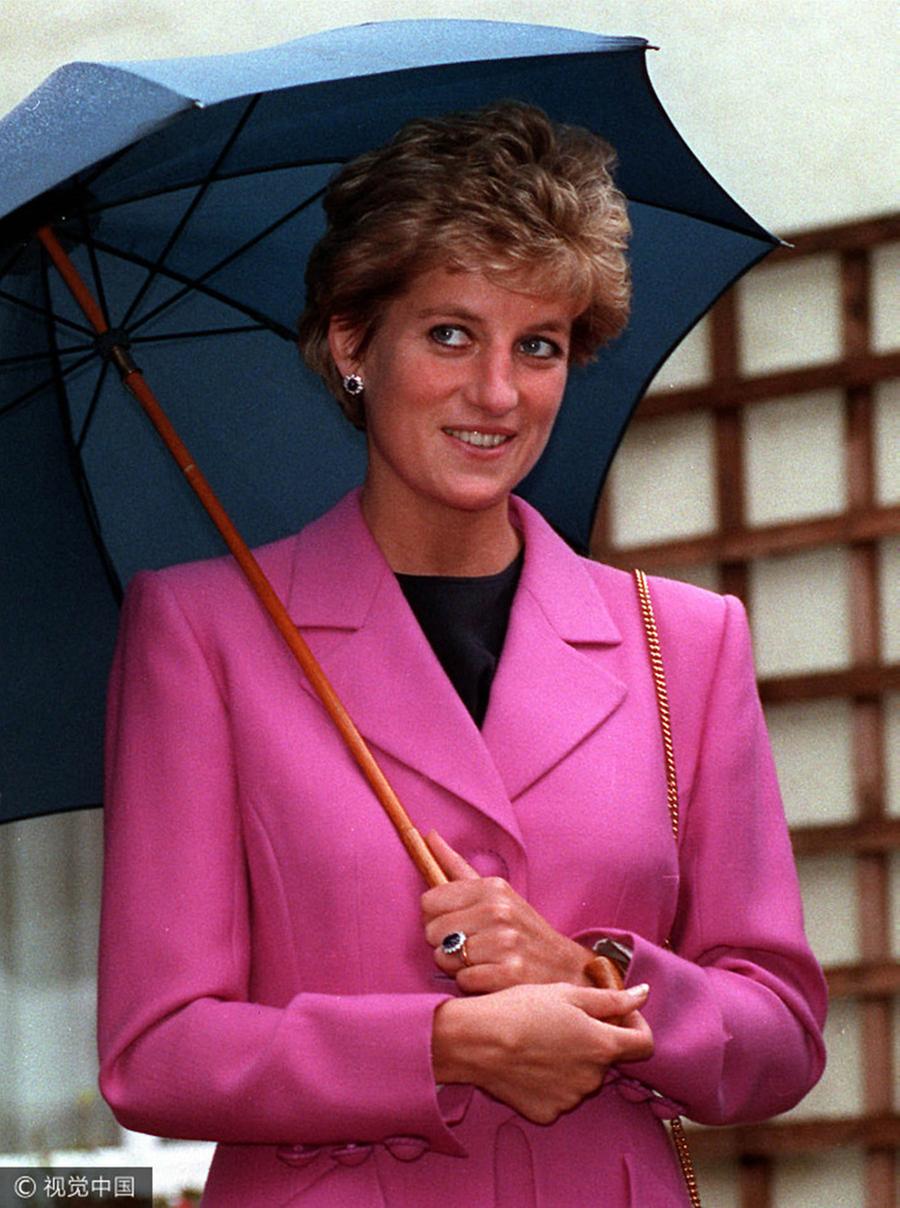
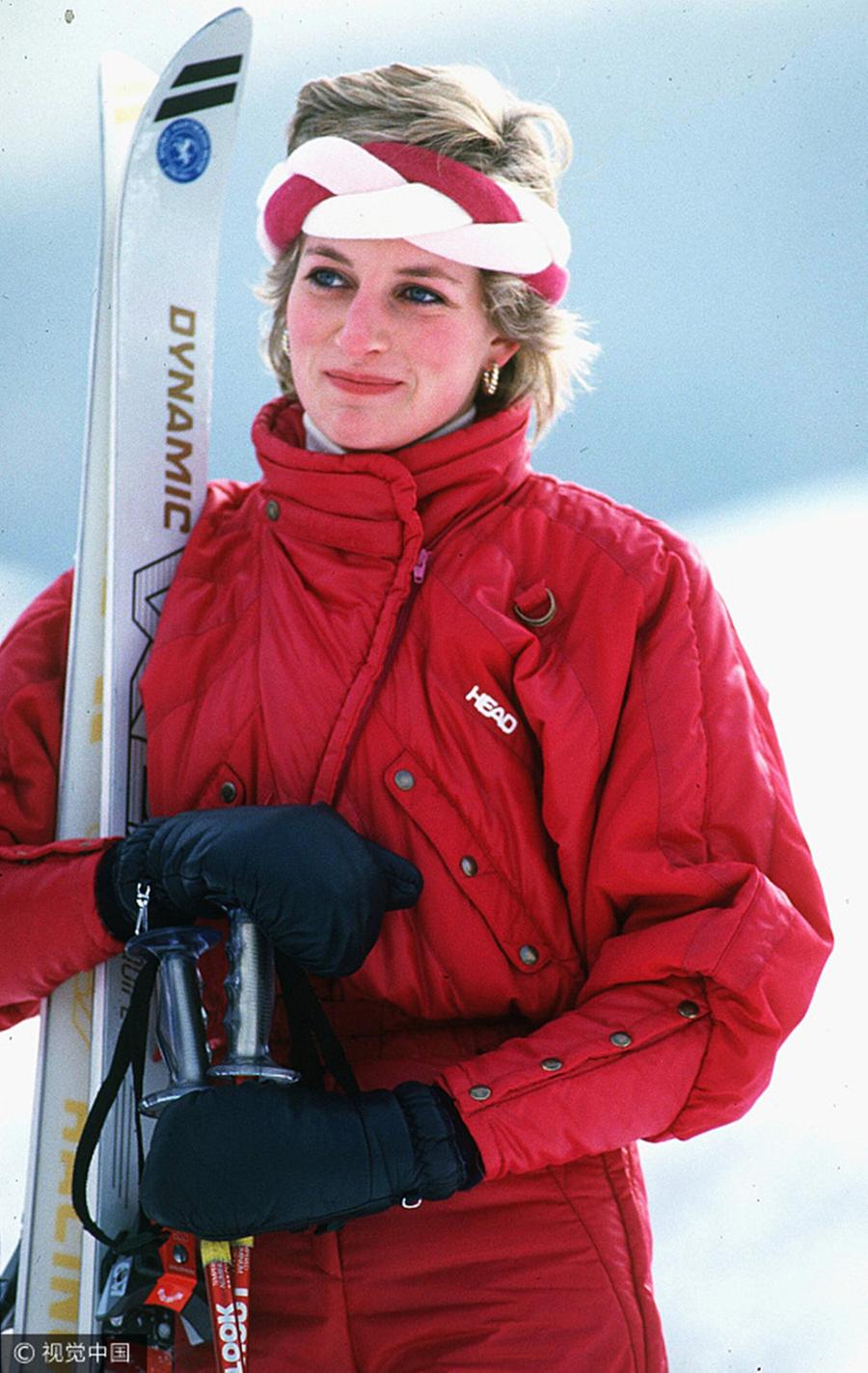
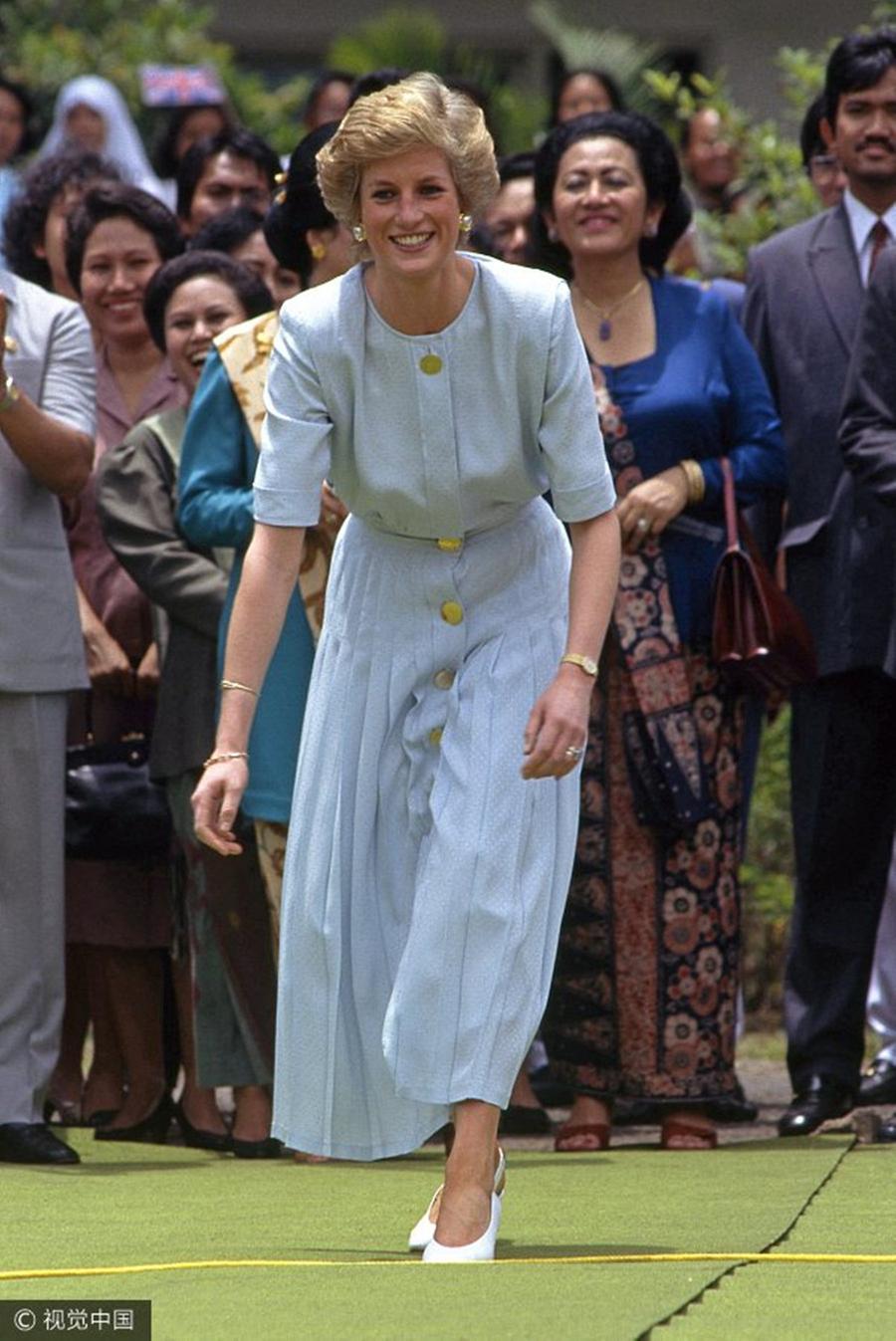
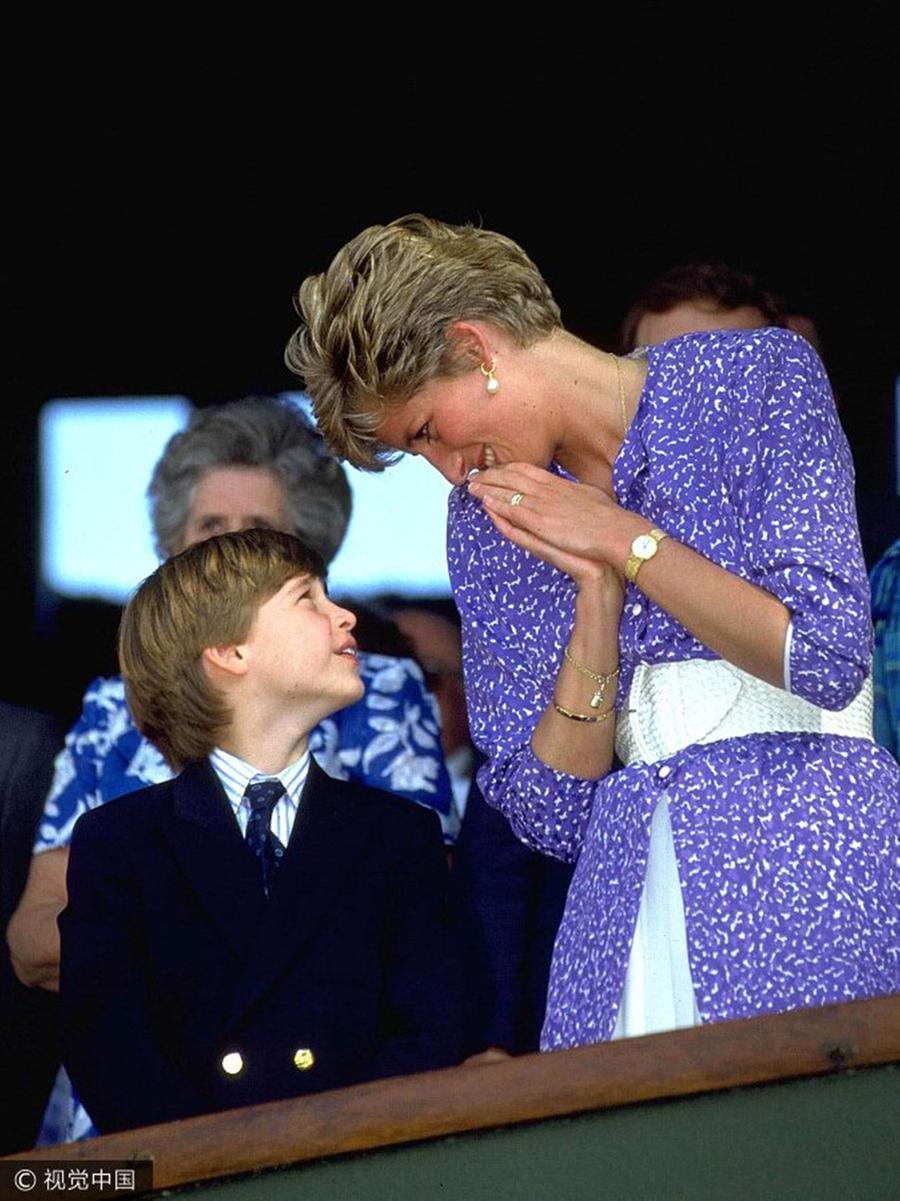
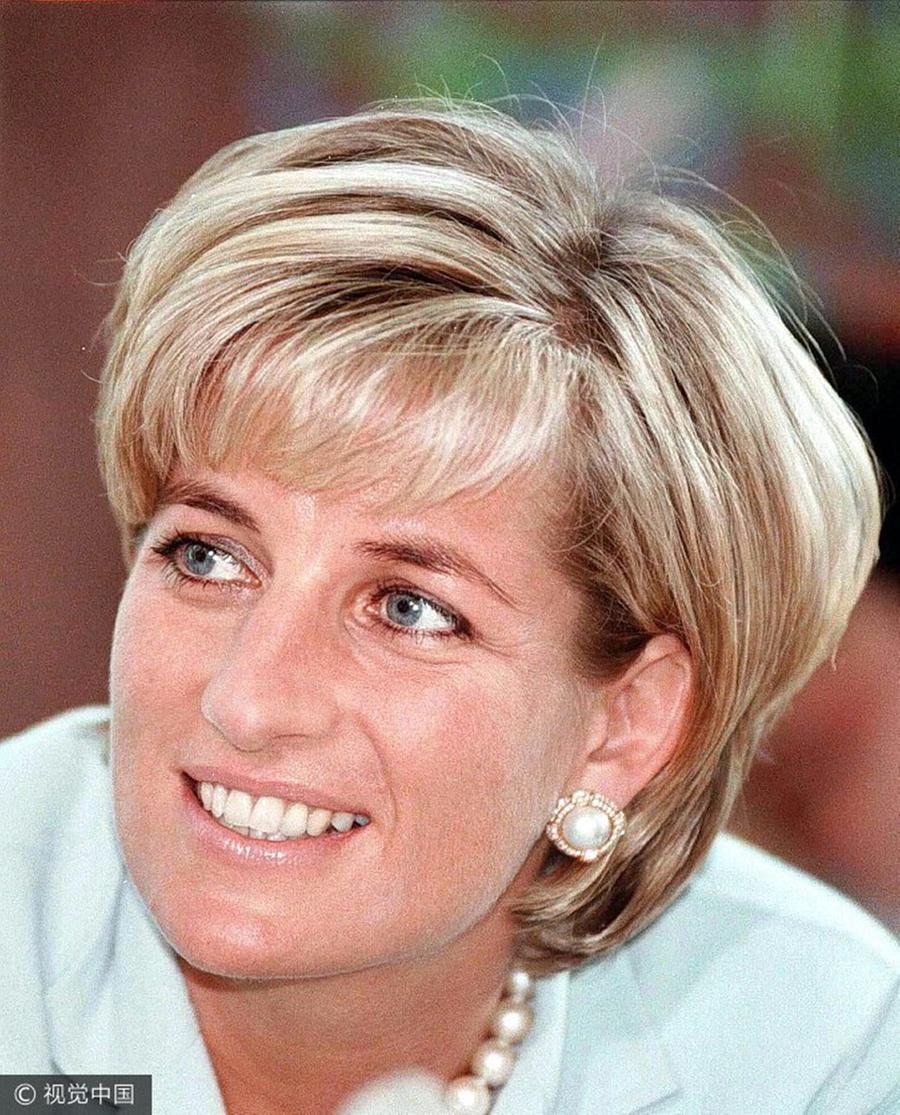
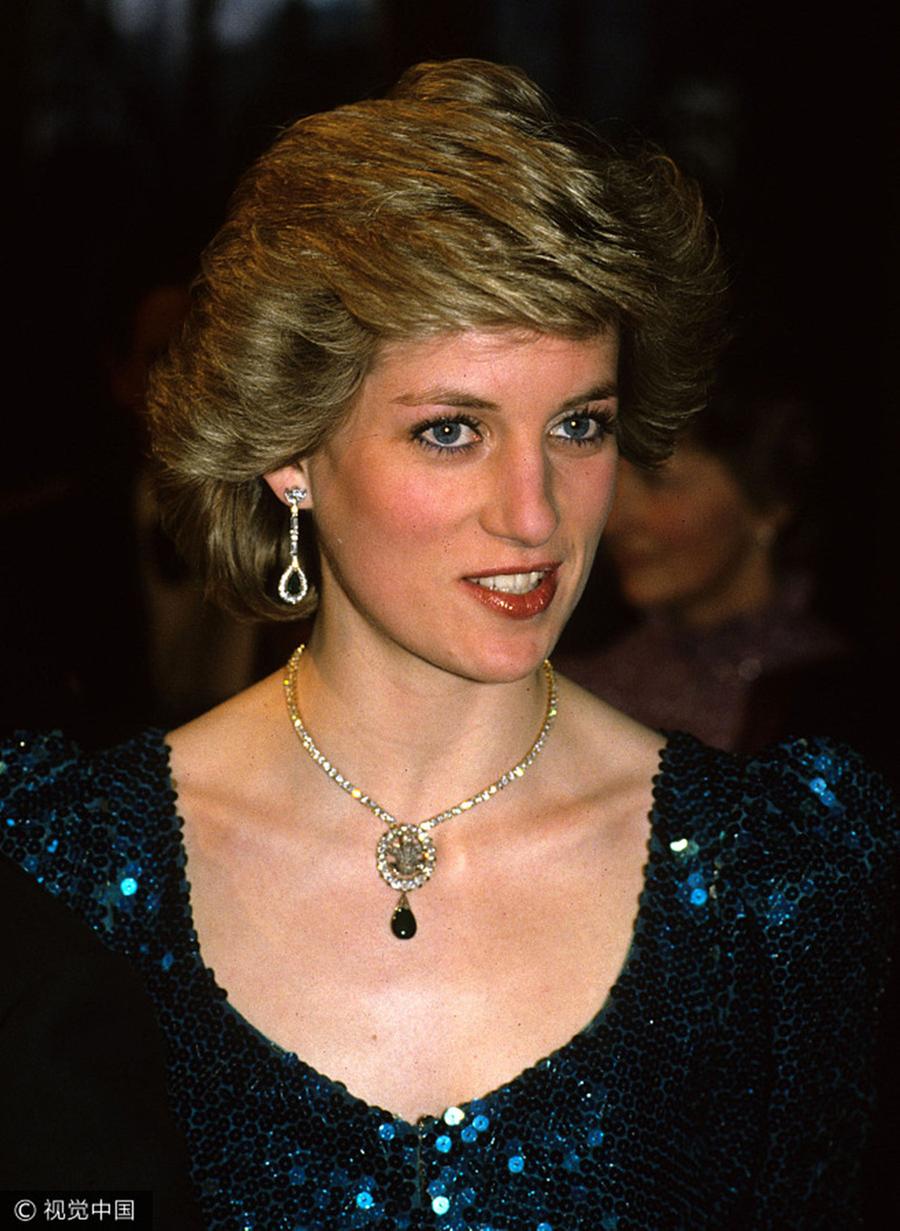
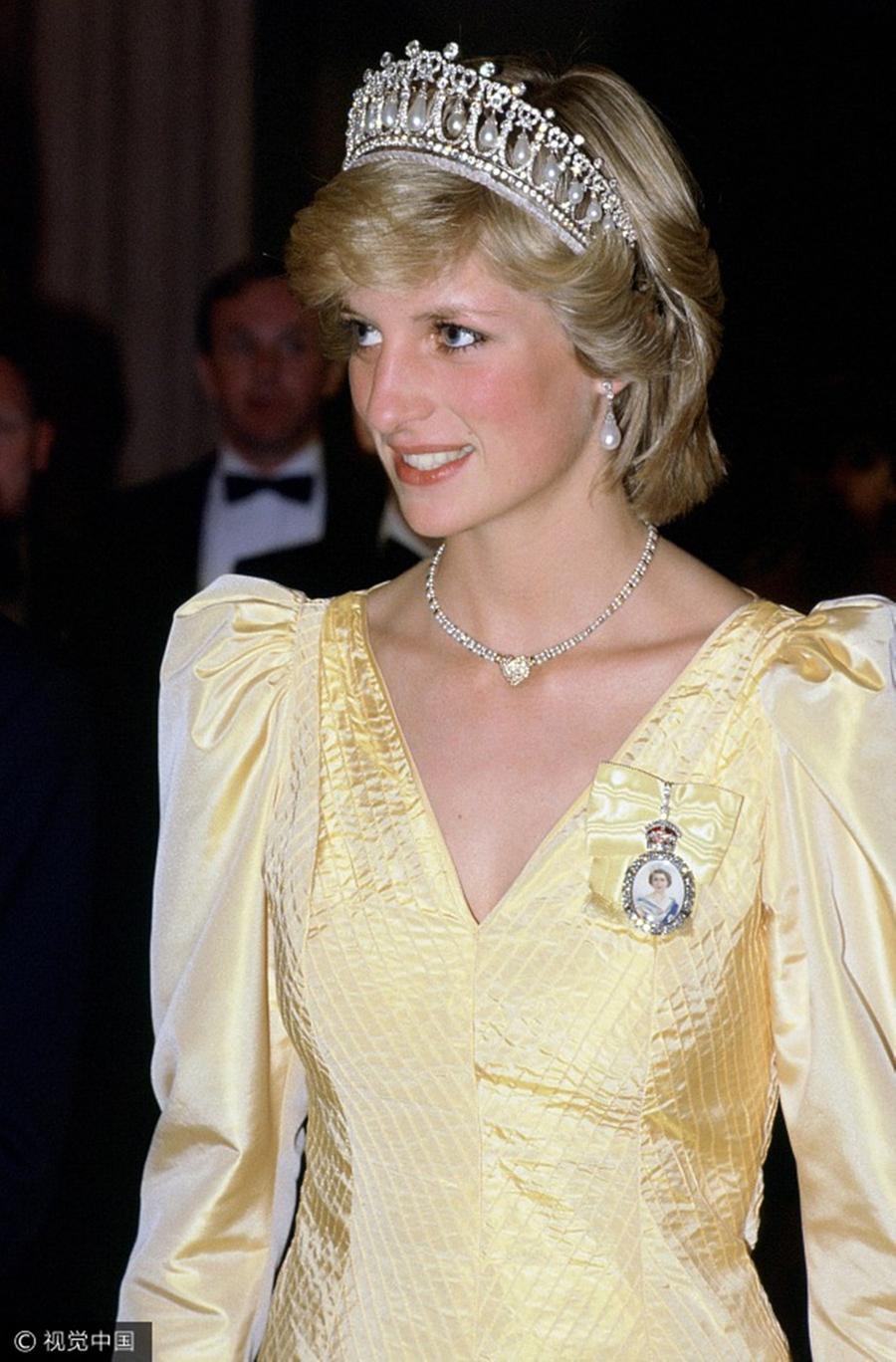
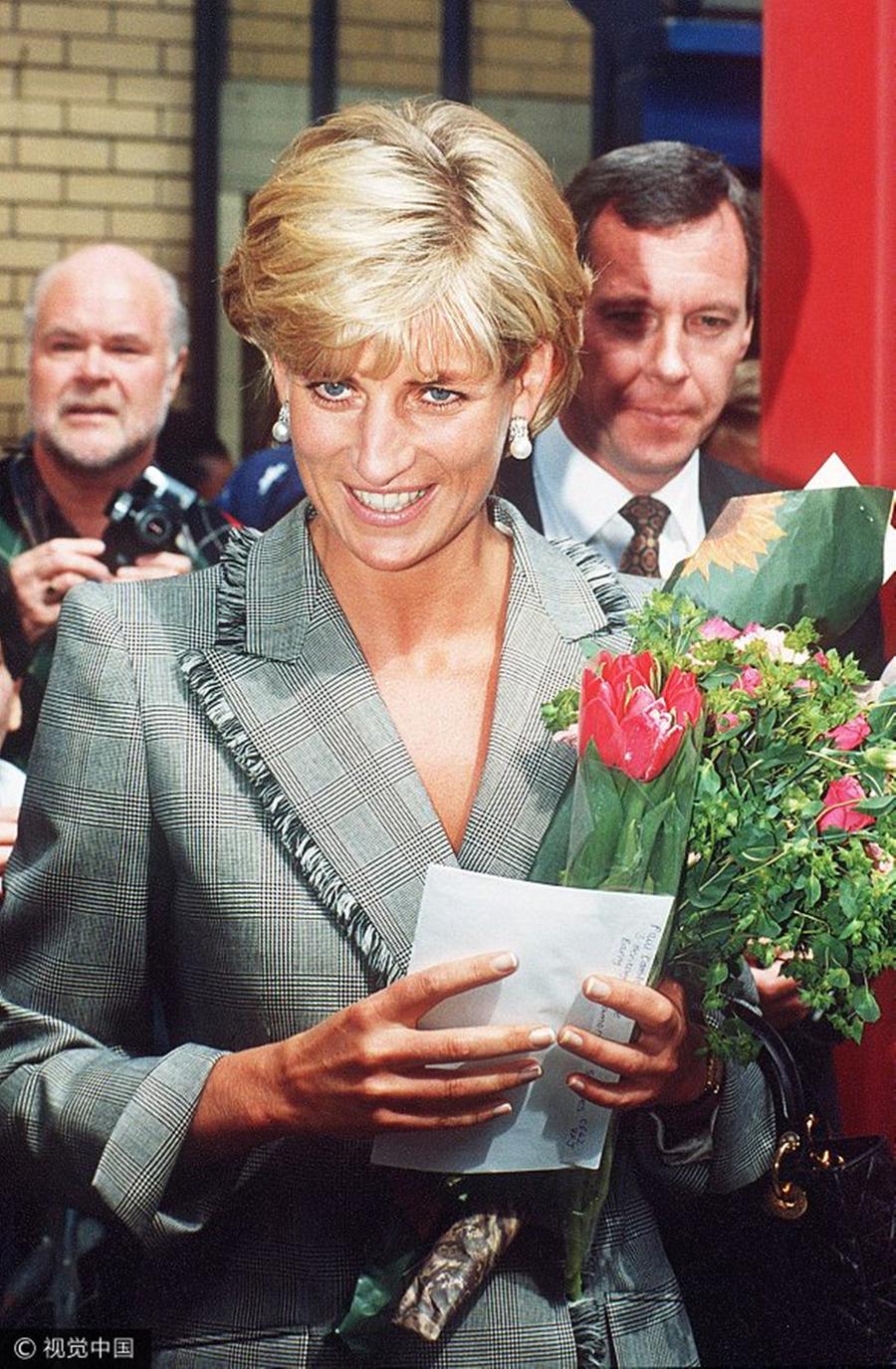
This month marks the 20th anniversary of the Paris car crash that ended her life; killed aged 36 in extraordinarily ordinary circumstances by a speeding drunk driver.
The emotional incontinence that swept Britain following her death is now almost a little embarrassing.
It is probably the sea of floral tributes left by members of the public that have remained burned into the collective memory; what is less well-remembered is the ugly, mob-like atmosphere that quickly infected the crowds that gathered in London from the date of her death to her funeral.
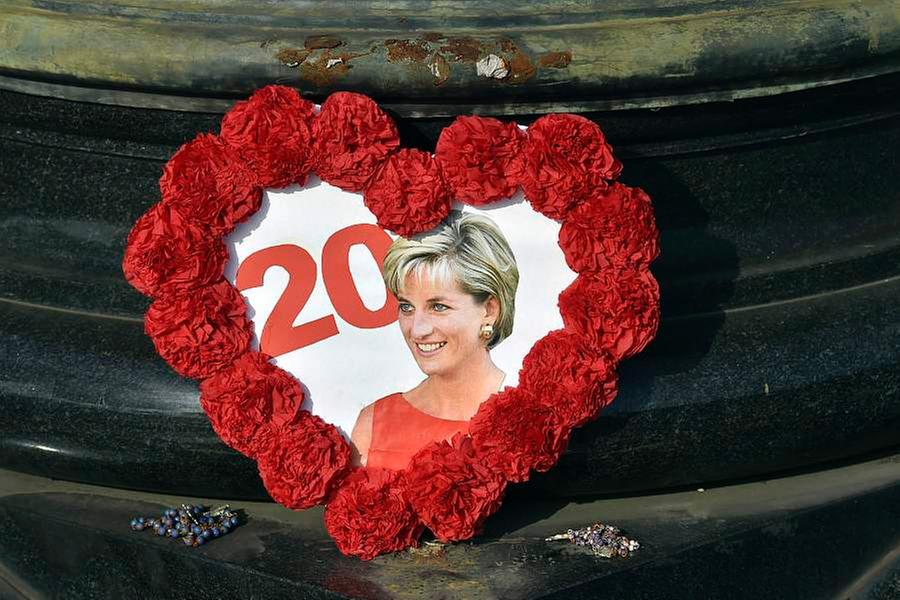
People were angry. Very angry. Were the paparazzi that pursued her car in Paris responsible for her death? While the facts were still being established, many members of the public took it upon themselves to publicly berate members of the media for "murdering" the princess. The public's own role in buying the media publications featuring photographs of the princess garnered rather less scrutiny.
Most shocking of all was the tragedy's impact on the monarchy. The Queen, in Scotland with her family for the summer, was sharply criticized. Why was she not in London, mourning with her people?
In a moment that has now passed into folklore, the traditionalist monarch was persuaded to return to London and address the nation by her prime minister, Tony Blair, appeasing the angry crowds and joining in the mass mourning and canonization of her former daughter-in-law.
The mob had forced the British establishment into retreat.
The views of those opposed to the scenes of mass mourning were largely silenced. Most British newspapers went along with the mood of the public, silencing some of their critical journalists.
There is little doubt as to the importance of this moment in the country's history; many now talk of a "post-Diana" Britain.
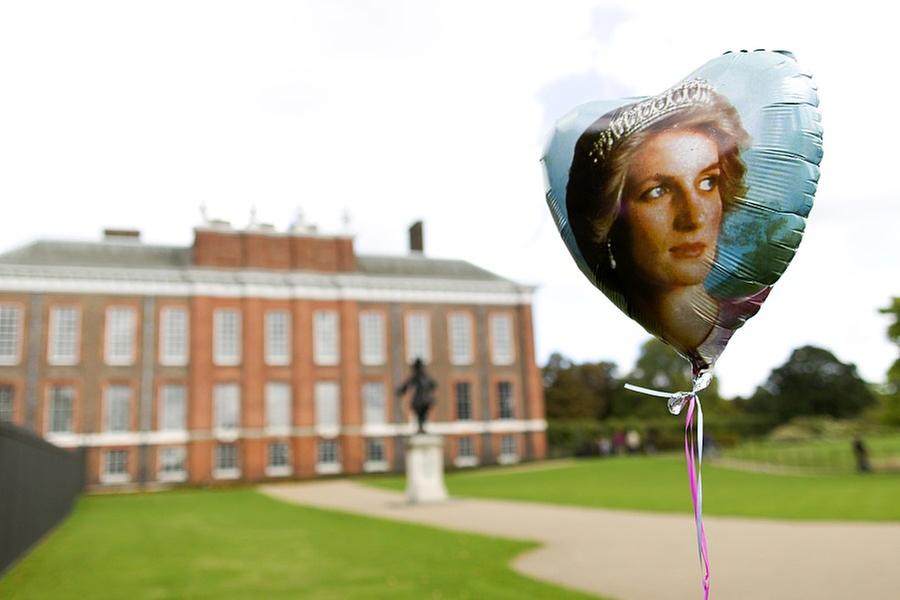
Indeed, echoes of August 1997 can be heard in many of today's modern protest moments - now turbocharged by the internet and social media.
The issue or event can be anything. But the sequence is usually the same. First, something happens. Then, an ill-informed viewpoint quickly forms powered by social media and often combined with vitriolic attacks on anyone not sharing that point of view. And, like in 1997, political leaders and traditional media organizations lack the courage to lead and inform their public.
Take just a couple of issues since Diana's death.
In the United States, support for causes promoted by the protest group Black Lives Matter has at times taken on Diana-esque characteristics. The group, originally founded following the shooting of the black teenager Trayvon Martin, campaigns against racism and violence toward black people.
The case of Martin has many of the hallmarks of the hysteria that followed Diana's death. Public outrage over the initial release and subsequent acquittal of Martin's killer, George Zimmerman, quickly turned into nationwide protests demanding a retrial. It did not matter that a court had just cleared the defendant of murder.
Again, far from investigating the facts surrounding the case, some sections of the media decided to join the campaign against Martin's killer, with the broadcaster NBC being forced to apologise for its selective editing of a 911 call, and most outlets choosing not to show photographs that might suggest Martin had an aggressive side.
On social media, the rage at Zimmerman forced his defence team to take the unusual step of creating a website to counter some of the false accusations about their client.
You would have thought that politicians would choose to rise above the hysteria and emotion, providing leadership at a difficult time, but the most powerful man in the world couldn't do it.
"If I had a son, he'd look like Trayvon," said Barack Obama, unhelpfully.
Most recently, the tragic case of the British baby Charlie Gard, who suffered from a rare genetic disorder, has again seen a Diana-type irrationality return among sections of the public.
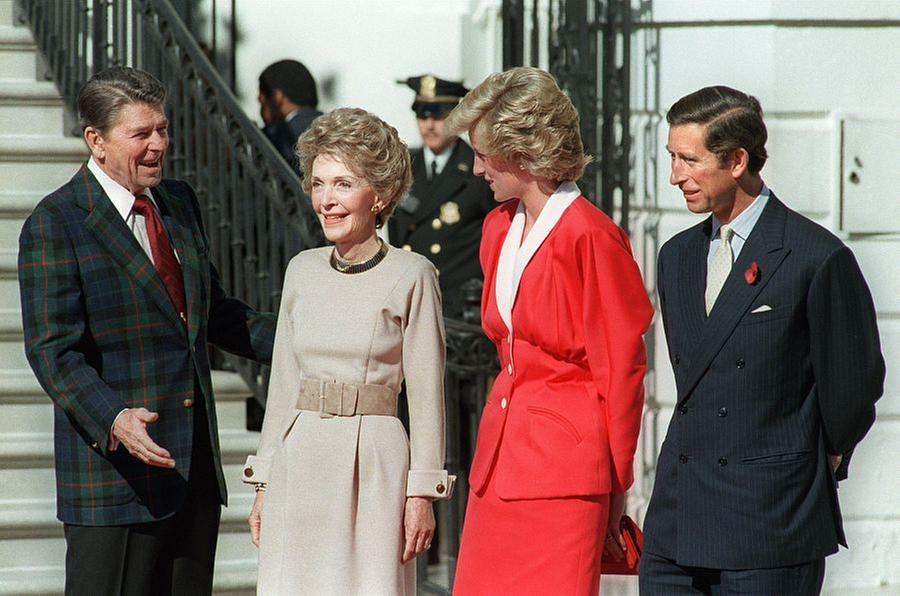
After Britain's Great Ormond Street Children's Hospital fought a legal case to prevent the brain-damaged child receiving any further medical treatment, hospital staff received death threats and abuse off members of the public. Members of a group calling itself "Charlie's Army" gathered outside the various court hearings determining the future medical care of the child, with banners accusing hospital staff of murder.
The medical facts of the case and due legal process were apparently unimportant.
The protestors were right to feel confident. Offers of support from Donald Trump and Pope Francis quickly rolled in, undermining the authority of the doctors responsible for treating the child.
The strange mood that seemed to engulf Britain following Diana's death has not gone away, it has simply morphed into new causes.
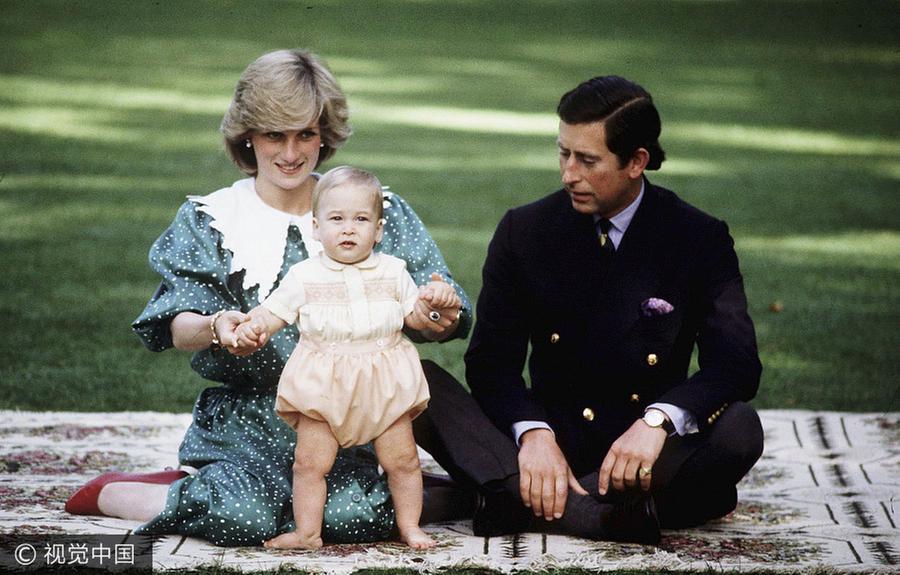
Now, an angry electronic mob can quickly turn itself into a real-life one. The decline of traditional news media, and the failure of politicians to tell unpopular truths to their citizens allows emotional reactions to quickly turn into dangerous anger.
Twenty years after her death, the British public have allowed themselves to slowly reassess Diana. While she is still remembered for her charity work, the anger toward the media and royal family has subsided. She is remembered now, for what she was - someone who used and was used by the media, someone who could be fun and generous, but also paranoid and vindictive.
Yet the damage done to the royal family from that mad week following her death is irreparable. It has forced them to try to appear ordinary and accessible. Perhaps this will one day prove their undoing. After all, if a royal family is just like any other family, what is the point of it?
When a country experiences a Diana moment, it is extremely hard to know where unchecked anger might lead.
Yet without a return to strong leadership, and sensible, reasoned debate based on facts, the ghost of the princess will continue to haunt us.
James Skinner is a contributing editor at China Daily with an MA in International Relations. He has a particular interest in British and American politics, as well as global security issues.