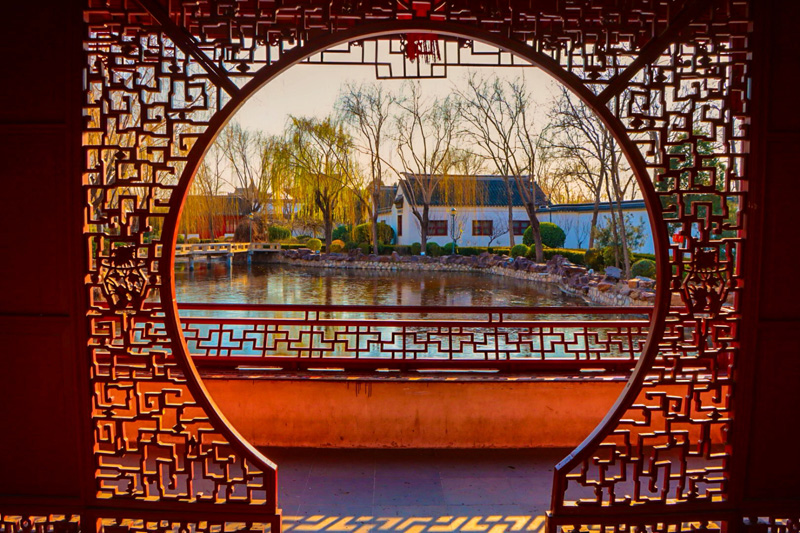
(Source: China Daily)
Reflecting on 2019, another chapter in a personal journey through China
By Bruce Connolly | chinadaily.com.cn | Updated: 2019-12-31 10:07
With 2019 about to give way to 2020, a new decade is knocking on the door and it's time to reflect on the passing year. In my case, here's a 30-second peek into my ongoing relationship with China. It has been fascinating 20 years since the present millennium began.
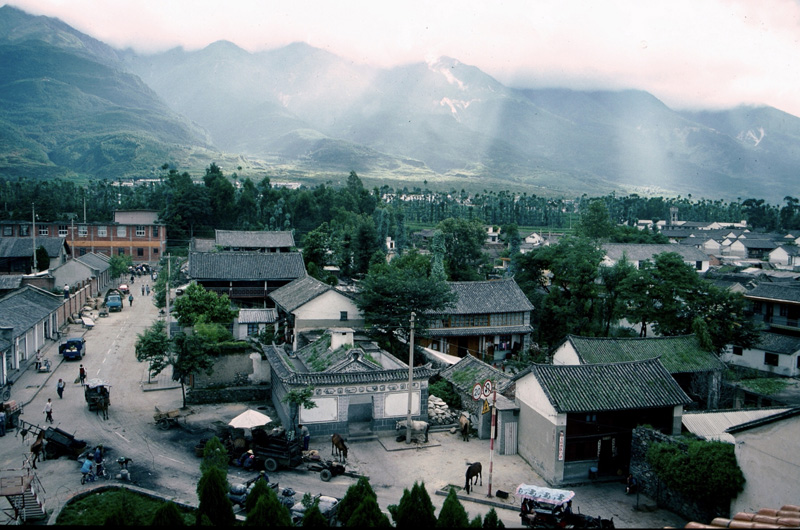
Looking back at December 31, 1999, I was in Dali, that historic walled town on the shores of Erhai Lake in Yunnan province. At that time, Dali to me was "Heaven on Earth". I was there for simple, indeed almost romantic notions.
There were many stories, mostly nonsense of course, suggesting what might happen to the world at the stroke of midnight as 2000 approached. I had decided to head for my personal heaven and be there for the changes.
Nothing happened, as we know, but I had a wonderful time walking, sailing on the lake, photographing, enjoying Bai cuisine and music while happily singing to myself, "I'm in Heaven".
This was all under the vibrant blue skies so characteristic of winter in Yunnan. Dali was an early chapter in my "China Story" of which so much has happened since then.
Photography has provided me golden opportunities to capture so many experiences throughout my entire three decade journey that has taken in many moments from China's onward development even over this past year.
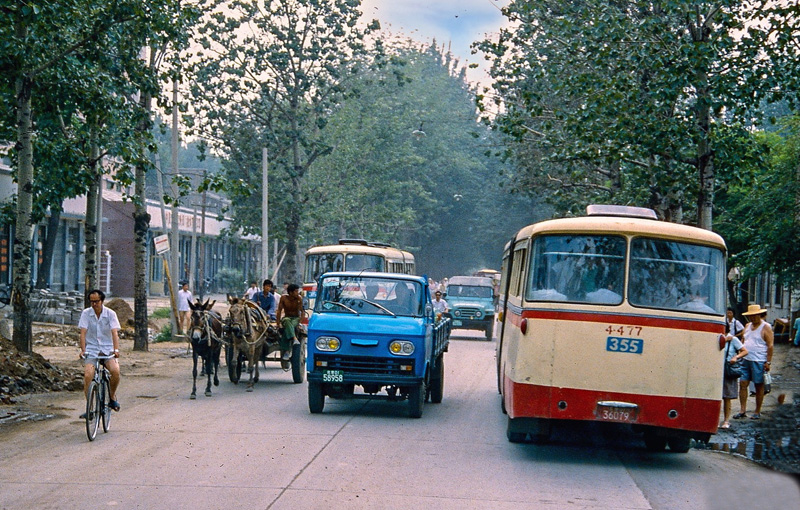
It is said "every picture tells a story". With China, photo images often surprise and indeed can shock people when they see for example some of my shots from 1987.
Interestingly it is often young Chinese who tell me how fascinated they are to see the country at that time for many were born years after '87.
An image taken from a bus in Beijing's Haidian, for example, some Beijingers thought it was shot north of Renmin University.
The scene of older public buses, narrow roads and even horse-pulled carts is of course so fundamentally different to the urban landscape today.
China is now different simply because the country continues to change. I retain a strong motivation to keep traveling as experience has taught that "here today" can quickly become "gone tomorrow"!
Moments in time recorded through the lens of a camera remain as testimony of transition into today's modern economy and society.
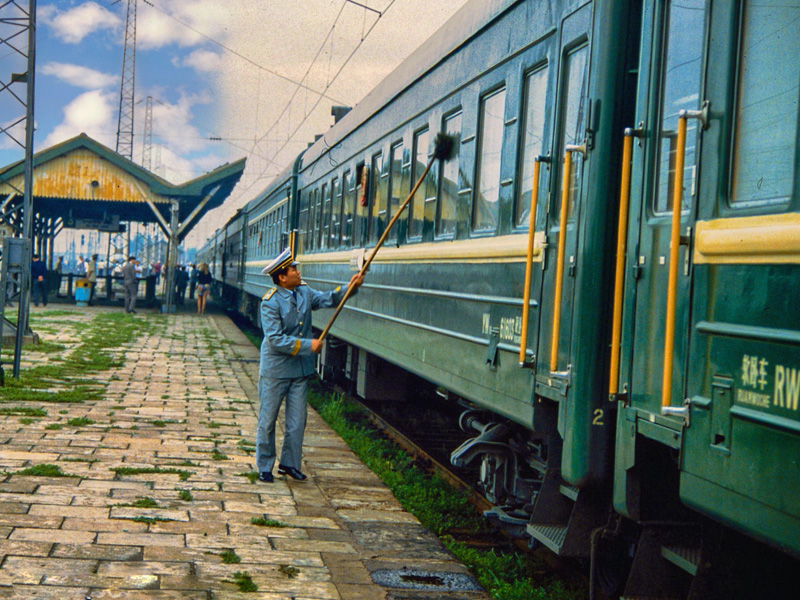
My preferred way of travel has always been by train as it provides an often relaxed way of seeing the country which cannot be had either by driving or flying.
Railways allow time for reflection, to think back and forward in time. Regularly I am heading between Beijing and Tianjin, a journey today of 30 minutes at 350km/h. Incredibly, I reminded myself this was the first high-speed line in China, opened just over 11 years ago.
Today, the country has the world's largest network of such rail services which just keeps expanding. Watching from the Tianjin-bound train, the scene is of ongoing infrastructure construction, additional rail lines, wide expressways and of course, increased urbanization.
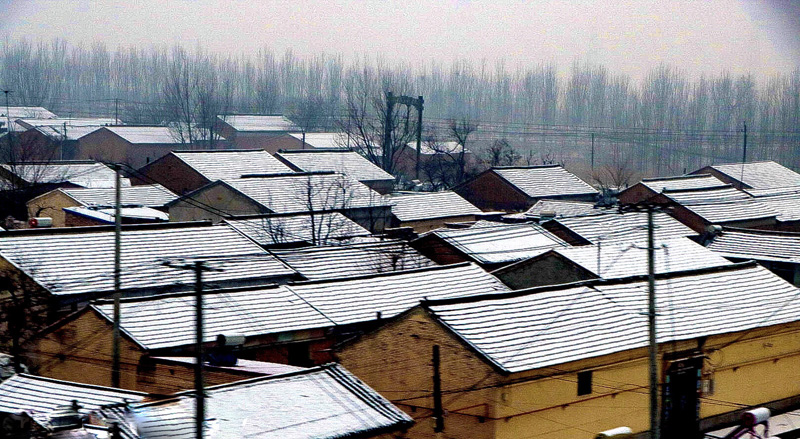
Yet, even on that 30 minute run, I can still look at farming villages reflecting scenes almost like what I saw years before while heading toward southern China, again by train.
However, going inside those rural homes today change would be noticeable with personal communication devices, television, air conditioners and much we have within the cities.
High-speed rail has radically transformed people's everyday lives, particularly for example, during the upcoming Spring Festival travel period. Yet, every time I approach Tianjin, there on the conventional track parallel to the fast line run 18 coach "green trains".
Still vitally important for many people traveling often to remote areas such iconic trains are much cheaper to use. They also stimulate vivid memories for Chinese people for some of my early images remind of that long journey home from their student days.
Sometimes I still travel by the green train, for example recently from Chengdu to Beijing. They allow, I feel, better views of the countryside and small town life but also ways of socializing and sharing food with ordinary Chinese people.
Indeed the "green trains" remain an intrinsic reminder of China's development over the past 70 years. Railway construction, particularly within remote western and southwestern areas, was so important for a country then with limited highway infrastructure.
Those early lines were important not only for initial development but in actually unifying such a vast country that had witnessed so much destruction during the earlier 50 years of the 20th century.
It is from the train that I can reflect on achievements China has undergone. It becomes easy to appreciate the sheer size of the country on a 47-hour journey from Beijing to Kunming in the mid-1990s but also showing, for example, the water imbalance.
The aridity of northern provinces contrasting with abundance in the south and how to me only a country such as China could have achieved grand projects such as the water diversion helping alleviate Beijing's potential drought crisis. Similarly with recent railway construction, it would be very difficult to replicate elsewhere those achievements on such a scale.
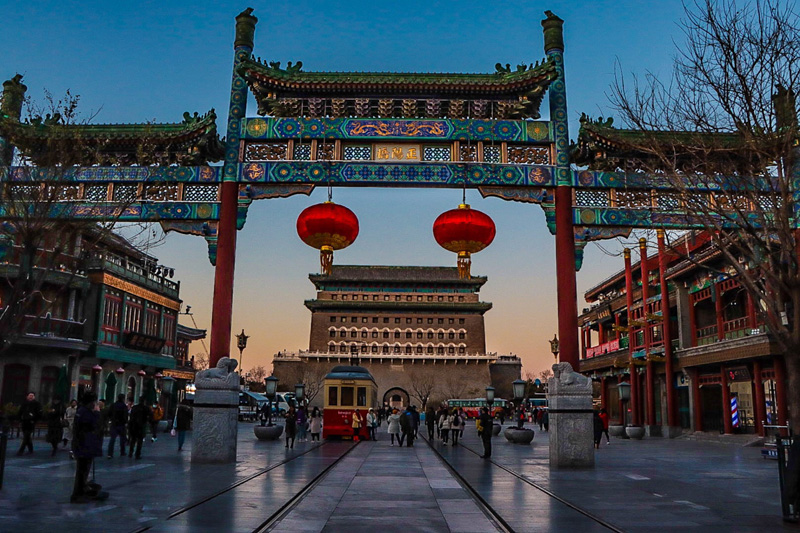
Travel, however, is not only about going nationwide for I still find a sense of discovery just walking across Beijing. Although I do admit metro expansion has greatly assisted getting around.
In my early days, up until 2000, there were two lines. 'Loop Line' (No 2) followed roughly the former Ming city walls around Beijing's historic core.
Line 1 went from Xidan west out to Pinguoyuan close to the Fragrant Hills. Today virtually every corner of the city is linked into the metro, with the network's growth set to continue. It was by metro Line 6 that I recently headed west to Jin'anqiao.
There I experienced the futuristic S1 maglev line heading through suburban, hilly Mentougou. Returning to Jin'anqiao I had a look at the work transforming former Shougang steelworks into a participating location for the upcoming 2020 Winter Olympics.
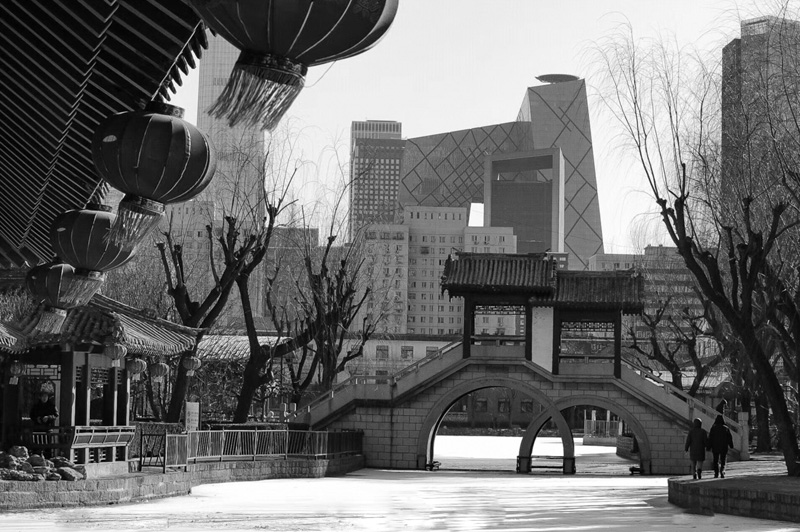
Beijing for me can also be about watching the growing CBD at Guomao, walking around the Forbidden City's walls or looking at examples of heritage preservation.
One area that impressed this December was the beautiful restoration work of an older hutong area east of Qianmen which included reopening long abandoned waterways.
However, Beijing while of course being both nationally and internationally important is just one component of a much larger country that is China. Living as I do close to the vibrant Sanlitun area, it could be easy to never leave such a "comfort zone".
There I can find much that would be expected within a large Western city. However, I have to keep reminding myself that there is more waiting to be discovered well beyond.
Today with advancements in rail travel and online booking travel is so much easier than throughout my earlier days exploring China.
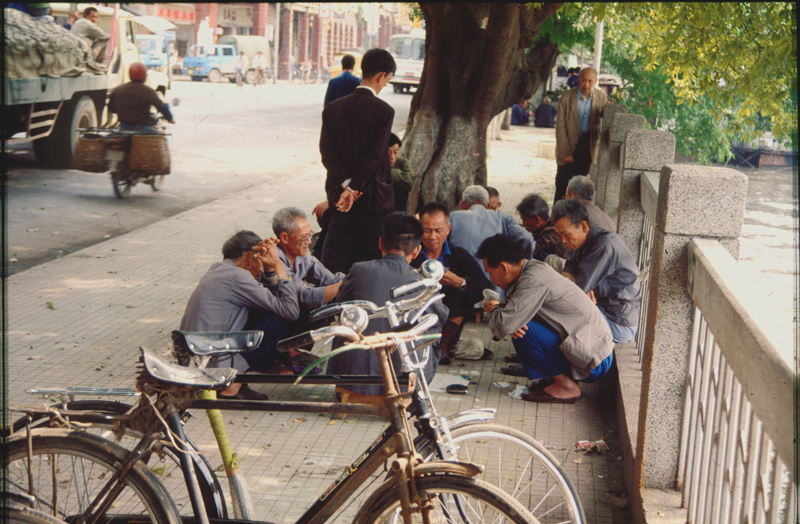
Every since living in Guangzhou during 1992, I have remained fascinated by the myriad of small towns and cities across the country. They often feel closer to traditional China than what the vast cities can offer, something even more pertinent today.
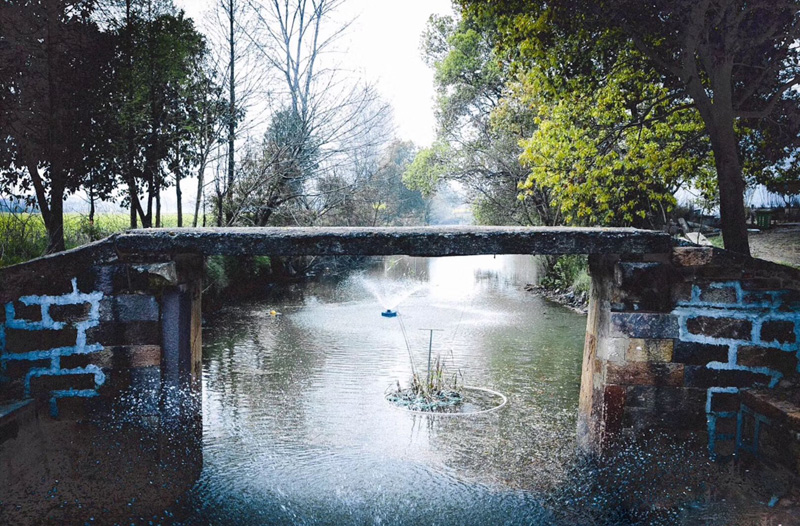
They are usually much quieter, little congestion, relaxed with people often having more time to be friendly, to stop and chat. Earlier this year, visiting Zhejiang province, Tongxiang city, including its adjacent historic water town of Wuzhen, was simply delightful, particularly under seasonal spring blossom.
In October I headed along the Bohai Sea from Tianjin to Qinhuangdao, staying in a hotel looking out over the ocean.
To say the area was beautiful would be an understatement, indeed a dream for photography. More recently, Qufu, the hometown of Confucius, boasting an urban population of only 60,000 people, it offered so much.
Indeed I hope to return there for more walking and photography around its historic walled core.
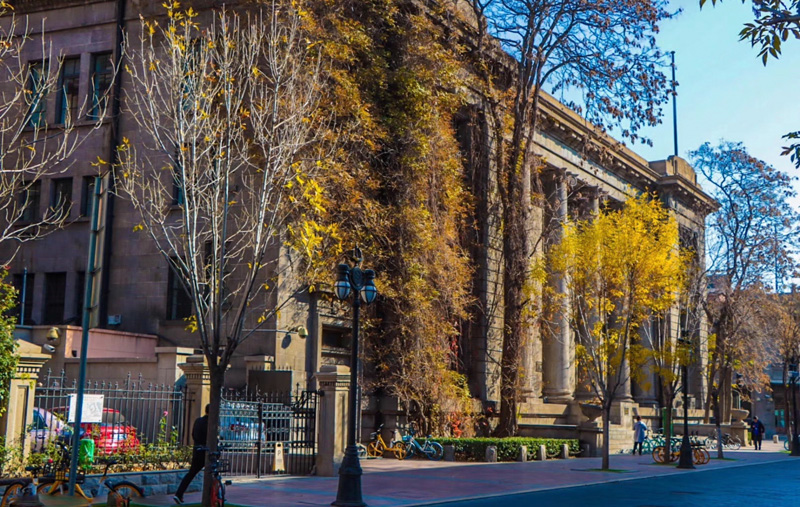
Some places I do go back regularly, such as Tianjin. Conveniently close to Beijing it is a city where my passion remains to continuing documenting via my camera its many facets.
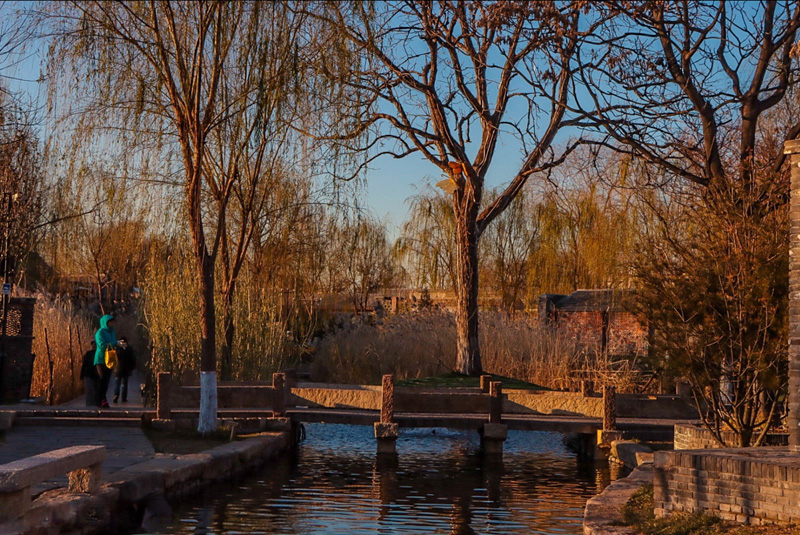
Indeed every visit reveals more of its little known gems such as the classical Chinese water gardens at Hebin Park in the Tanggu area.
It reminded me so much of Suzhou yet minutes away flows the Haihe River, Tanggu historically being the ocean port for Tianjin and its connections with the Grand Canal.
Returning throughout the year provides opportunities to record the city's various seasonal moods and colors.
Tianjin has been important for my photography in other ways for at the city's Shangri-La Hotel a second exhibition of my work was held in August this year. It focused on northwestern Yunnan. Last year the theme was Tianjin, both historic and modern.
Recently my efforts regarding the city were recognized with an award presentation at the hotel by AmCham Tianjin. That was certainly one of this year's more satisfying moments.
It is partly through the medium of photography that I continue to tell my China story, something I have been doing almost every day throughout 2019. Photography started with a sense of curiosity, of discovery, of wanting to reach places new and capture those moments in time through the lens.
Every picture, if taken with a bit of thought, can tell a story. With China this can hopefully help towards a greater understanding of this huge nation. My images over the years have recorded moments in China's growth and development. Indeed 30 years ago I never realized that what I was shooting would become history so quickly, such has been the pace of change.
It is through sharing on today's social media that people who have not experienced China in what now feels like a different age can appreciate the transformation.

This year much work has been spent on converting early images into a modern digital format easy to include within writing or simply to exhibit.
Film was the medium I used for many years with often lengthy periods between shooting and finally viewing the final photographs.
Today, with advanced bluetooth technology embedded within the camera I'm transferring images often in seconds to my iPad for editing before forwarding on WeChat - even doing this while travelling at 350km/h by train!
My personal China has continued to be focused around people, who in many ways have made this country special for me. Indeed it is the people who make a country and who help create positive impressions.
Often my photography has been about such ordinary folk going about their every day lives.
It has been very positive to have shared images and text published through the medium of China Daily both printed and online. Each article records experiences of places, often small cities little known. Of people, of their lives, but also of the changes I have witnessed over my almost 33 years involvement.
It is a story of China, my China story which feels sometimes that I have only just started telling for each day traveling on the trains or simply walking new experiences and moments present themselves.
2019 has been another chapter in that story, but now we go into 2020. It is 20 years since the start of the present millennium I welcomed at Dali.
This year, hopefully many new experiences, new places, new moments but also reflections back through time via photography.
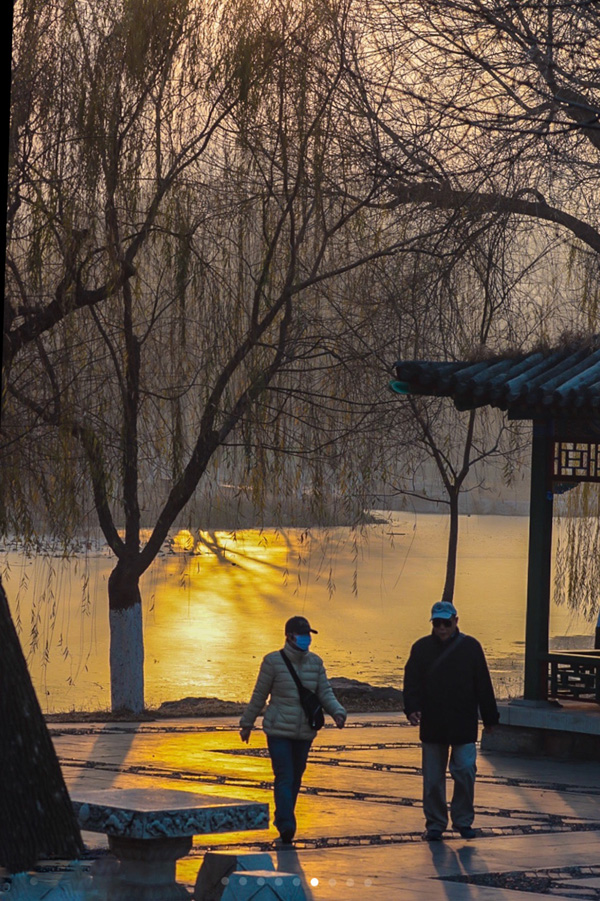
The images with this feature include some taken this year while others are scans of what seems like historic moments in my long journey through China.