(Source: China Daily)
My fascination with China began in Scotland
By Bruce Connolly | chinadaily.com.cn | Updated: 2019-10-25 13:20
"Do you like Chinese food?" or more strongly, "You must like Chinese food!" I would be asked regularly during my earlier days in China. Indeed, returning to Scotland still features in conversations with friends. They puzzle why I continue to live here 32 years after initially traveling overland for what was to be just a holiday but turned into a life-changing experience. Nowadays I don't use such a bland term as 'Chinese food' in everyday conversation. Having extensively criss-crossed this vast land it feels more appropriate to refer to distinct regional variations, such as Sichuan, Dongbei or Guangdong.
I was recently reminded of this while visiting my home city, Glasgow, for it was there that my earliest impressions of China were formed. During my schooldays, dining out was a rare experience as families generally ate together at home. While there were tearooms, a few cafes and some Italian restaurants, top cuisine was generally found in the more up market hotels.
Discovering the 'mystique' of international dining started during my early university days, with what we called 'Chinese food'. A few Cantonese-style restaurants had opened primarily around the city center. As places to impress on a night out, they were regarded as more romantic destinations, helped by interior design so different to our local norms. Most offered three-course business lunches along with grander six or seven course evening dinners. Few of us then had any idea of what cuisine in China was really like. Most had never traveled to the country apart from individuals who had been to Hong Kong.
Lunch would be a small bowl of chicken, mushroom and noodle soup, then beef or chicken chop suey with fried rice followed by banana fritters. We all enjoyed those moments, feeling it was dining 'Chinese-style'. Later, regularly travelling across the US and Canada, I often headed to the nearest Chinese restaurant knowing they would serve food I was familiar with! It was of course quite a cultural shock to first visit China in 1987. The quite delicious dinners I would have in Beijing bore little resemblance to my youthful preconceptions. Living in Guangzhou during the early 1990's, catering similarly felt quite different to the Cantonese-themed restaurants I had become familiar with. However 'Xin-Da-Xin' department store on Beijing Lu had a top-floor dining area where stir-fried beef with tomatoes did remind me of being back in Glasgow.
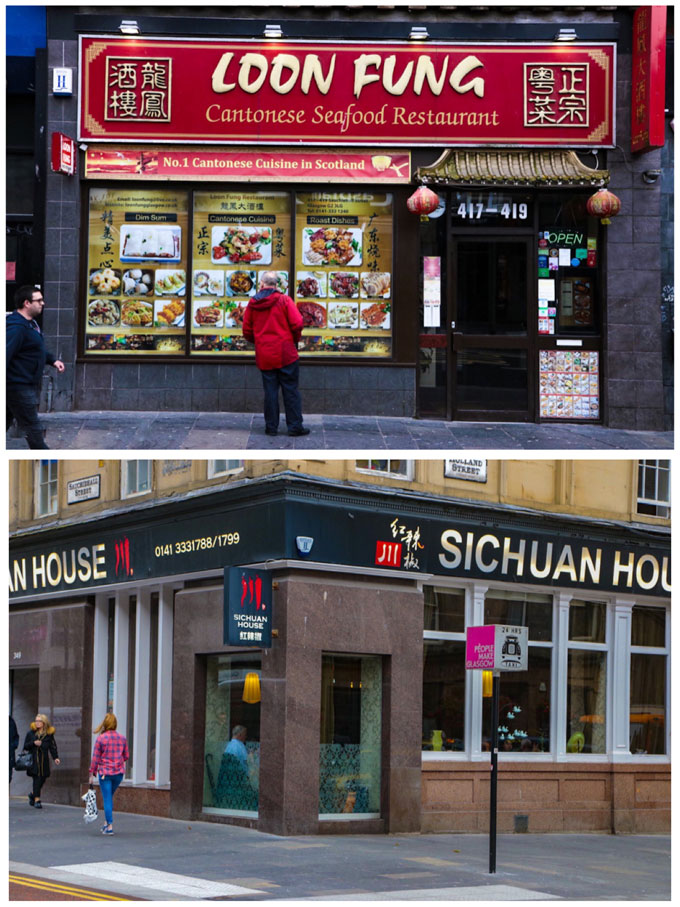
Mainly pedestrianized Sauchiehall Street in Glasgow is home today to a wide range of Glasgow's contemporary international dining. This tree-lined avenue runs parallel to where many families originating from Fujian, Guangdong and Hong Kong had earlier settled. Indeed some elderly continue to reside there, conversing in their local dialects while trying to maintain traditional South China lifestyles. Catering partly for this community several restaurants, along Sauchiehall Street and its vicinity, such as the Loon Fung, were long regarded as 'real' Chinese venues. Appreciated were the experiences when Chinese friends or organizations would invite me to join them there on special occasions. An opportunity to sample cuisine from menus often presented only with Chinese characters.
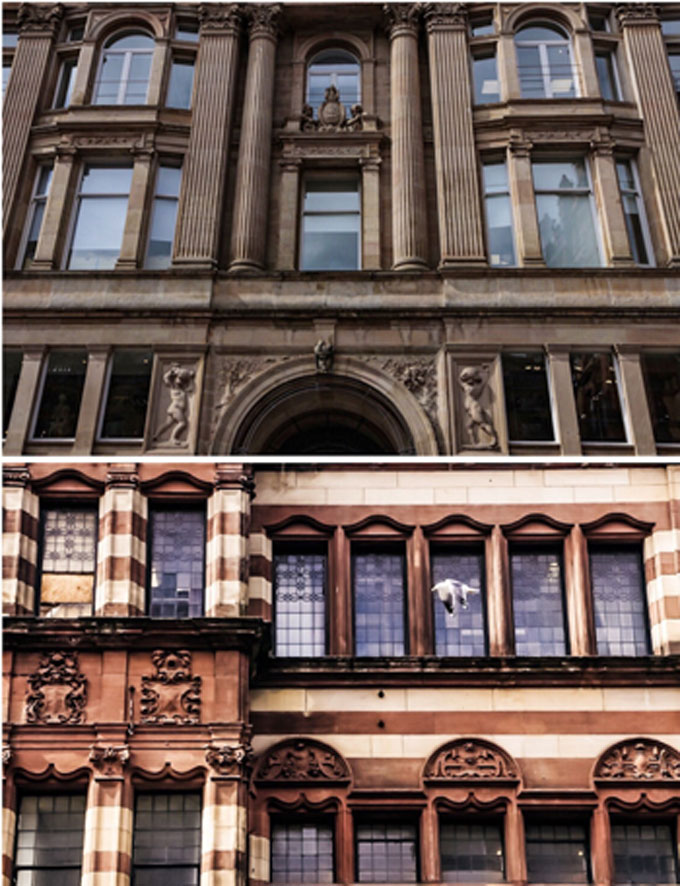
The Loon Fung is reasonably close to Dalian House, a building reflecting Glasgow's ongoing twinning with Dalian. It was, for a while, used as part of the administration for the former Strathclyde Region. It was there I was interviewed for what became a 'life-changing' year, 1992-93, in Guangdong. Strathclyde was twinned with that rapidly developing southern province. Upon returning to Glasgow the restaurant organized a display within its premises featuring my photo images from southern China. This was partly to show diners how that area was rapidly changing, along with its physical beauty and amazing ethnic diversity. Many Glaswegians then had limited knowledge of its fascinating ethnic groups, for example. What proved fortuitous was the restaurant incorporated a travel agency mainly catering for the local Chinese community. It was through a director there that I was encouraged in 1994 to start visiting Beijing. Indeed, they helped arranged a hotel within a traditional hutong district near the capital's famed Lama Temple. My fascination with Beijing really began then.
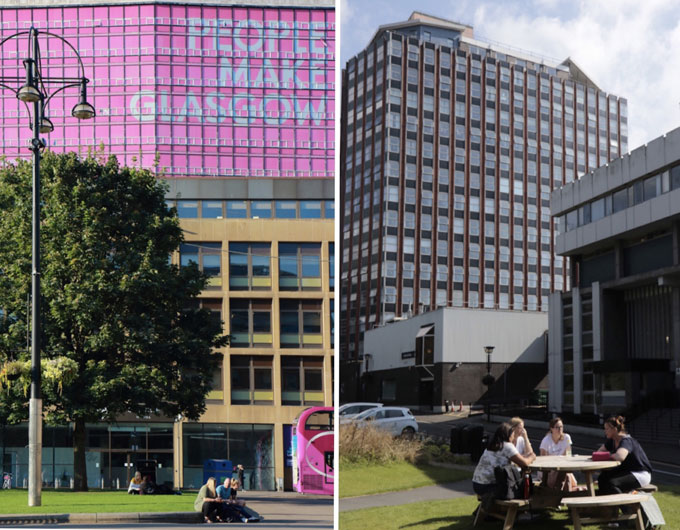
Today Glasgow has a large number of Chinese students attending its group of leading universities. This younger group is very noticeable, for example along both busy Sauchiehall and Buchanan Street. The latter, one of the UK's quality shopping avenues, is the location of Princes Square, a carefully crafted restoration of older Victorian-era buildings. It became an area of boutique shops and 'chic' restaurants. Returning from Guangzhou in 1993, every week I would head to its Chinese food court before attending evening studies of Chinese language and culture at the University of Glasgow. Such a range of restaurants did not exist during my undergraduate days at city center Strathclyde University.
It was a delight to return recently to that university, rediscovering the lecture theater where I attended my first classes, now many years ago. At that time all notices were in English, it was fascinating now to see much in a range of languages, including Chinese. A large body of international students is attracted towards its highly regarded engineering and science research facilities. Glasgow was at the heart of many major innovations critical for Britain's 18th century Industrial Revolution. James Watt's improvements to the steam engine, for example, converted it into a mechanical workhorse for the Industrial Revolution. This occurred in 1776 while Watt was working as an instrument maker at the University of Glasgow. At that time it was located within the early historic city. Strathclyde, the UK's first technological university traces its roots back to 1796 while the university itself received its charter in 1964 through the merger of leading institutes and colleges of technology and business.
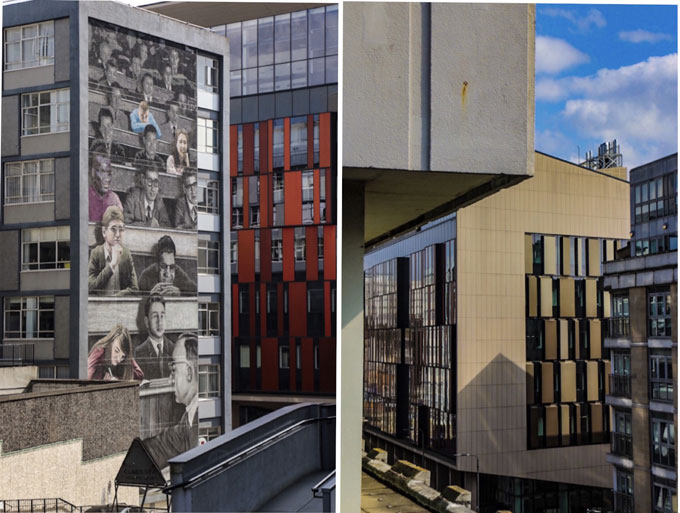
A few minutes' walk from Strathclyde is the Merchant City, a former commercial area now renovated into an attractive zone of quality dining and residence. It is home to the City Halls, a large auditorium where I would be invited to deliver talks for the Royal Scottish Geographical Society on my many China experiences including in 1993, 'A Year in Guangdong'.
Strathclyde is close to the historic core of Glasgow, an area dating back to when the city grew from a small rural settlement on the River Clyde before become the largest seaport in Scotland. With origins from Medieval times or earlier, its rapid expansion came through 19th and early 20th century industrial growth. My childhood memories were of many shipyards and dock facilities along the riverbanks near where I grew up.

The High Street runs uphill through the Old City, ultimately reaching the Cathedral of Glasgow, one of the city's oldest buildings. Dating from late 12th century, it is linked closely with Glasgow's history. Today one of Scotland's major tourist attractions, I was fascinated at so many overseas visitors walking respectfully through its vast interior, stopping to learn more of the tumultuous periods from centuries gone by. Incredibly, an adjacent cemetery is today also a leading visitor destination, The Necropolis rising on a hill overlooking the city includes vast stone tombs of rich merchants, shipyard owners and industrialists who dominated Glasgow's business prior to the 20th century. It is a location featured in films and television dramas. Close by is Wellpark Brewery, founded in 1740, home to Scotland's leading Tennents Lager, a beer now exported to China and available in Beijing's popular bars!
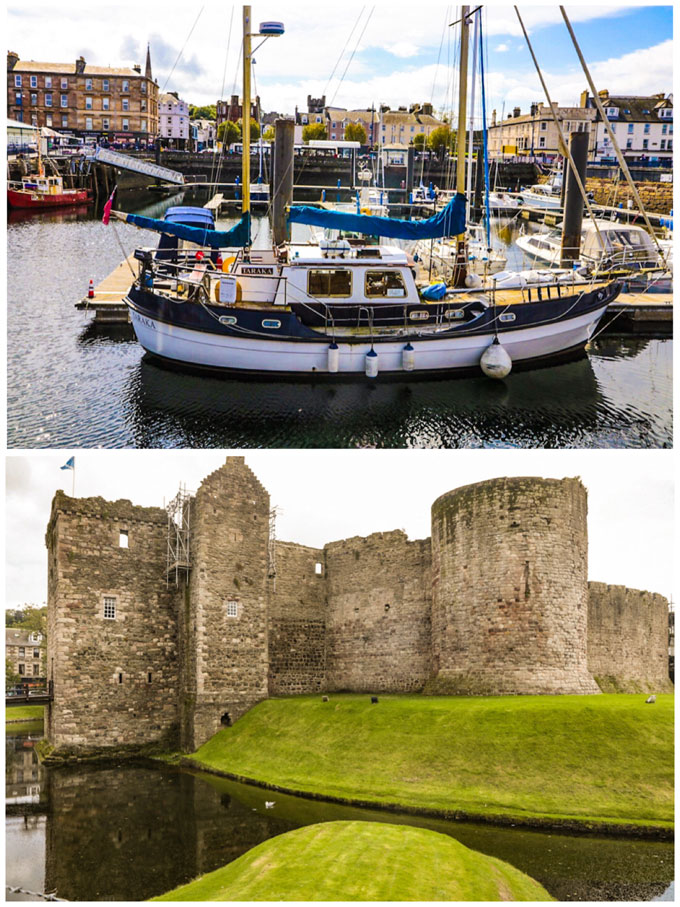
There were many memories for me in and around Glasgow, not least my academic days at two of the city's universities. In my final undergraduate year at Strathclyde, all students going forward for an Honours Degree had to write a dissertation of around 10,000 words. I produced one on aspects of the social history and geography focussing on depopulation from rural areas on the Island of Bute. It sits where the River Clyde becomes the Firth of Clyde merging into the Atlantic Ocean. Ever since my early childhood I had been visiting the island, staying for lengthy periods in Rothesay, its principal town. The island's story is fascinating, not least for its many prehistoric remains. The town grew rapidly in the late 19th century as a summer holiday destination for Glasgow's growing industrial worker population. Today, with the advent of cheap jet flights many Scots head to warm south European destinations or further afield.

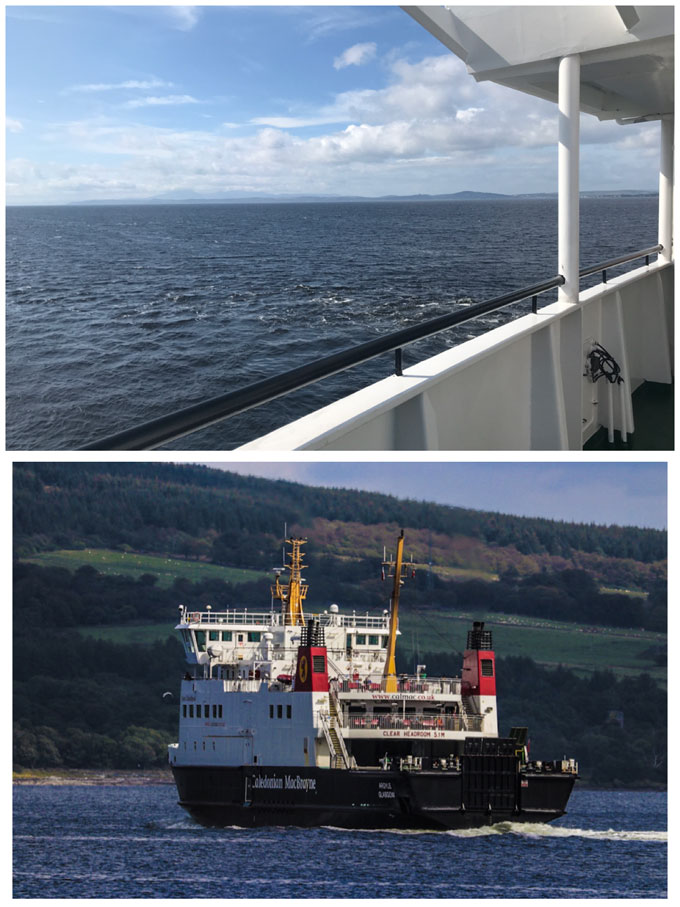
However, regularly living on the island there also developed a Chinese connection. Located on a street within the older town between the historic castle and harbour was a tiny restaurant whose menu offered virtually the same dishes I would have in Glasgow's then developing Chinese restaurants. I became a regular patron, sometimes in midwinter, occasionally being the only diner! In August this year I travelled by train and boat to spend a day reliving memories of those carefree experiences. That little restaurant now long gone but several excellent cafe-bars had opened. A new generation of visitors are coming, interested in archaeology, history, nature and photography amidst the surrounding outstanding scenery.
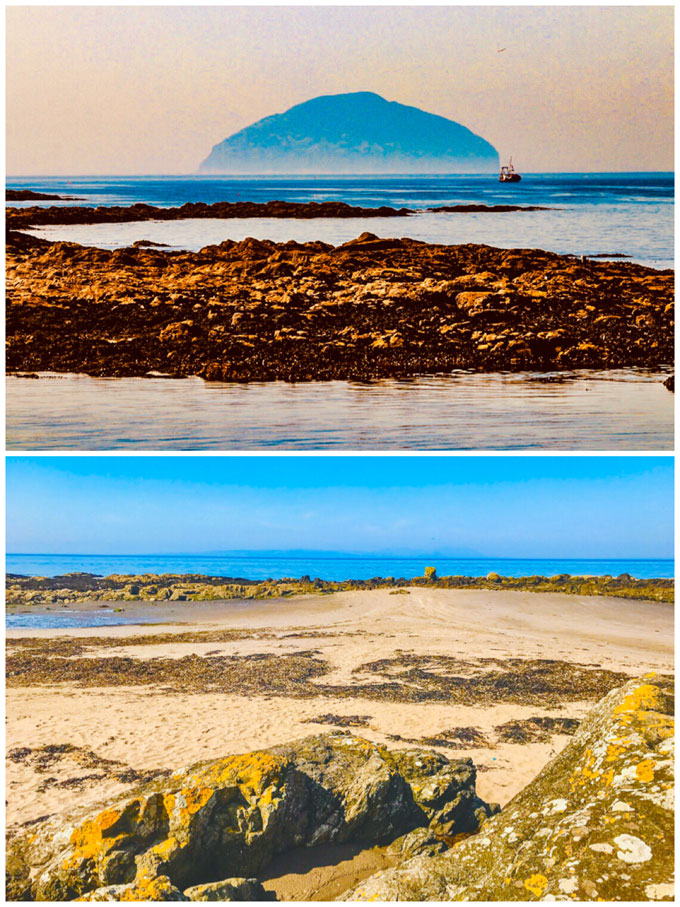
On the eastern shores of the Firth of Clyde is Ayrshire, a land associated with the 18th century poet Robert Burns. He composed Auld Lang Syne, sung at the New Year, popular worldwide and across China. I recall in 1987 on the through train between Guangzhou and Hong Kong almost being in tears hearing it played over the carriage loudspeakers! In August I returned to a small Ayrshire coastal fishing village, Maidens. Spending many childhood summer holidays there it was where my life in photography began, photographing seabird scenes near the harbor. This year with advanced digital equipment I was recapturing those golden moments.
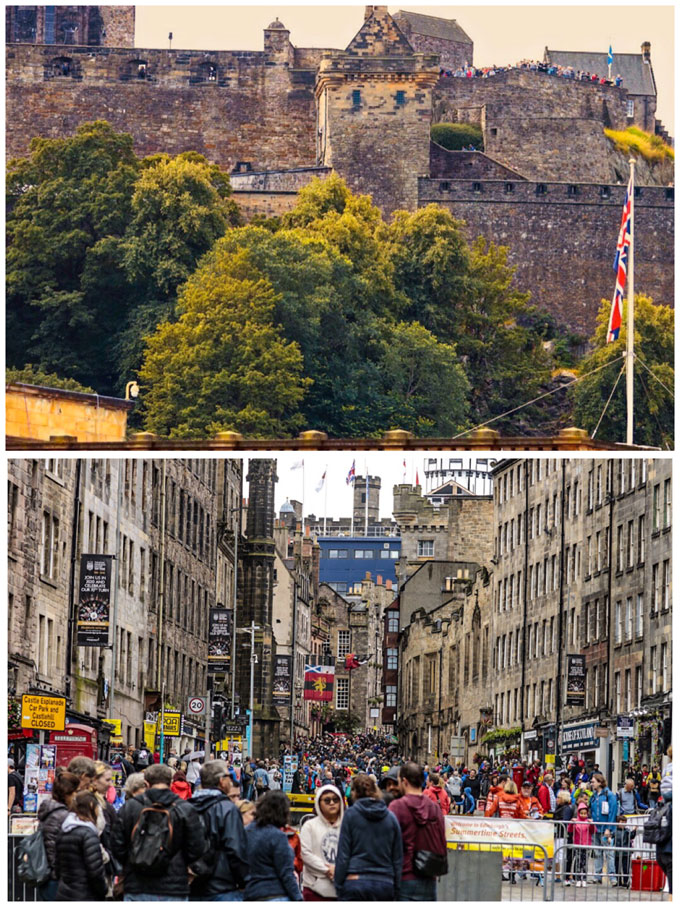
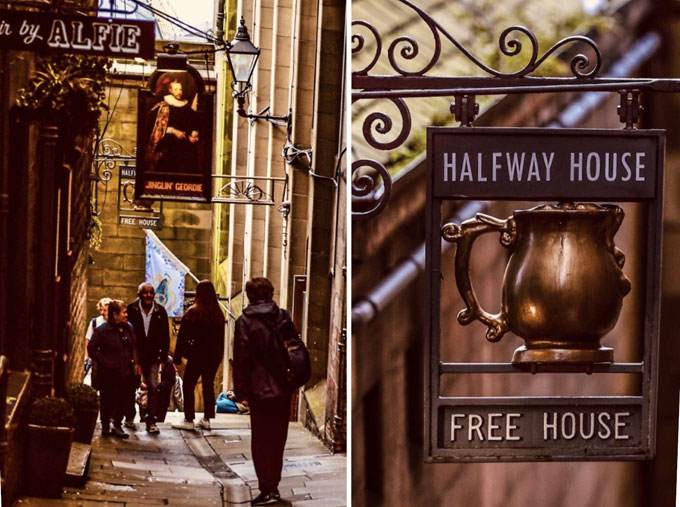
Edinburgh, Scotland's capital, is a very popular interantional tourist destination. Tourism represents a major element within its economy. Geology featuring reminders of volcanic and glacial eras has created quite stunning urban landscapes. An historic core stretching below its magnificent castle is instantly recognizable, not least through considerable media exposure. The city is a 'year-round' draw for visitors but particularly so during August when the International Festival and The Fringe is underway. Although a very busy period it can be an excellent time for experiences as so many impromptu theatrical performances take place along traffic-free sections of the High Street, also known as the Royal Mile.
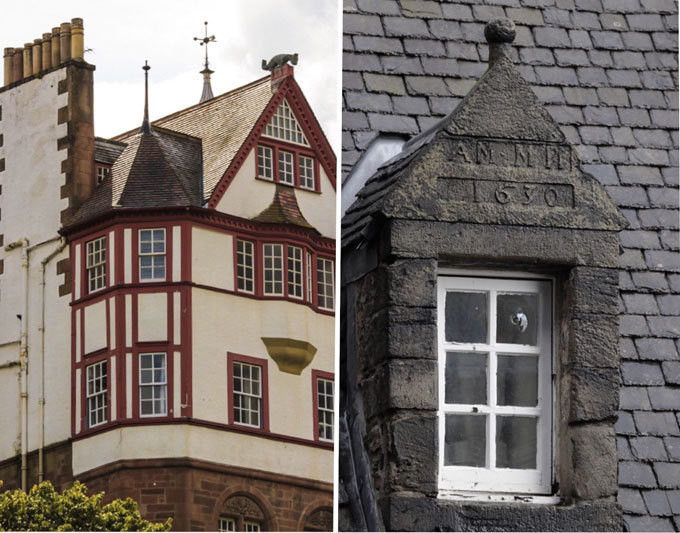
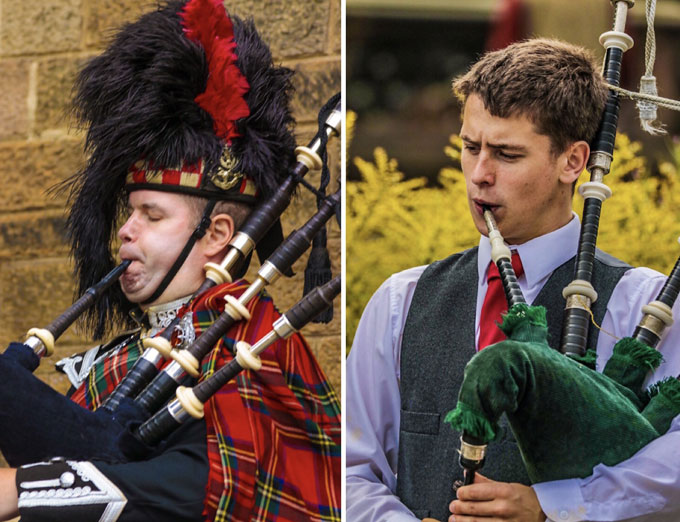
Edinburgh is only 50 minutes by train from my native Glasgow and is a quite different city, particularly with its preserved centuries-old architecture. Throughout my student days it became a regular weekend destination to enjoy its often quaint ambience, for photography or simply appreciating much about the city. Today increasing numbers of Chinese visitors are there, not just enjoying what it has to offer but also taking 'selfies' with men wearing the traditional kilt!
Returning to Scotland, having lived in China for many years, I was seeing the country from a different perspective compared to my university days. It was, however, excellent to witness the growing numbers of overseas visitors coming to Scotland whether for travel or study. It was also fun to be able to converse with some in Chinese!