(Source: China Daily)
China's story, captured through a camera lens
By Bruce Connolly | chinadaily.com.cn | Updated: 2019-07-12 14:04
For me, photography has been a lifelong passion. Images can be glimpses into another period in time, and this is especially true of China. Photos depict scenes when much of the country was rural, with both arable farming and pastoral. Many shots tell of a China before the rapid spread of urbanization. As a photographer, there is almost a duty to keep shooting, as the shots of today may become historic in the future? Certainly much has and will keep changing across the country, as that is what I have seen during my time in China.
Looking through the lens meant I was often focused on the scenes in front of me, zeroed in on some interesting highlight that would create a great image. China is a land I have traveled extensively through over three decades, discovering more and more diversity every day.

In July 1987, 32 years ago this month, my time in China was relatively short. Much of what I saw was new to me, often unfamiliar — so I photographed anything that appeared interesting. It became a mad dash to get as much out as possible of a short stay.But living in Guangzhou for a year in 1992 was a different experience. There were plenty of opportunities to walk, look and more carefully photograph scenes. Even in 1992 Guangzhou was a large city, much larger than others I had lived in or visited.
My initial train journey traveling north to south proved there was considerable beauty in China, much more than the few images I had previously seen of the country. As the train steadily moved south, passing into more tropical lands, I would have loved to spend several days in the passing scenes with my camera.
Guangzhou did have much to fascinate me. The beautiful public parks, the constant movement of boat traffic along the Pearl River, the narrow commercial streets of the older areas. I could have spent the whole year in that city but I had a restlessness and need to explore, to discover more of China. There was so much beauty to take in even on day or weekend trips, yet compared to the rest of China it was a relatively small area. The vastness of the country was becoming apparent to me.

Spring Festival in 1993 was the start of longer, more adventurous travel, for example taking an overnight boat from Guangzhou to Hainan. It was also a time to start learning more of the history, particularly of the Maritime Silk Road that has left a legacy in "Sino-Portuguese" architecture along the southern coasts of Guangdong and Guangxi. It was walking through such an area in Haikou I came upon a scene that felt almost like an historic flashback. There, at an old harbor on the Nandu River, a wooden sailing vessel was being loaded with porcelain pots of pickled vegetables. Throughout history such vessels would have been along the coast, powered by the wind in their sails.
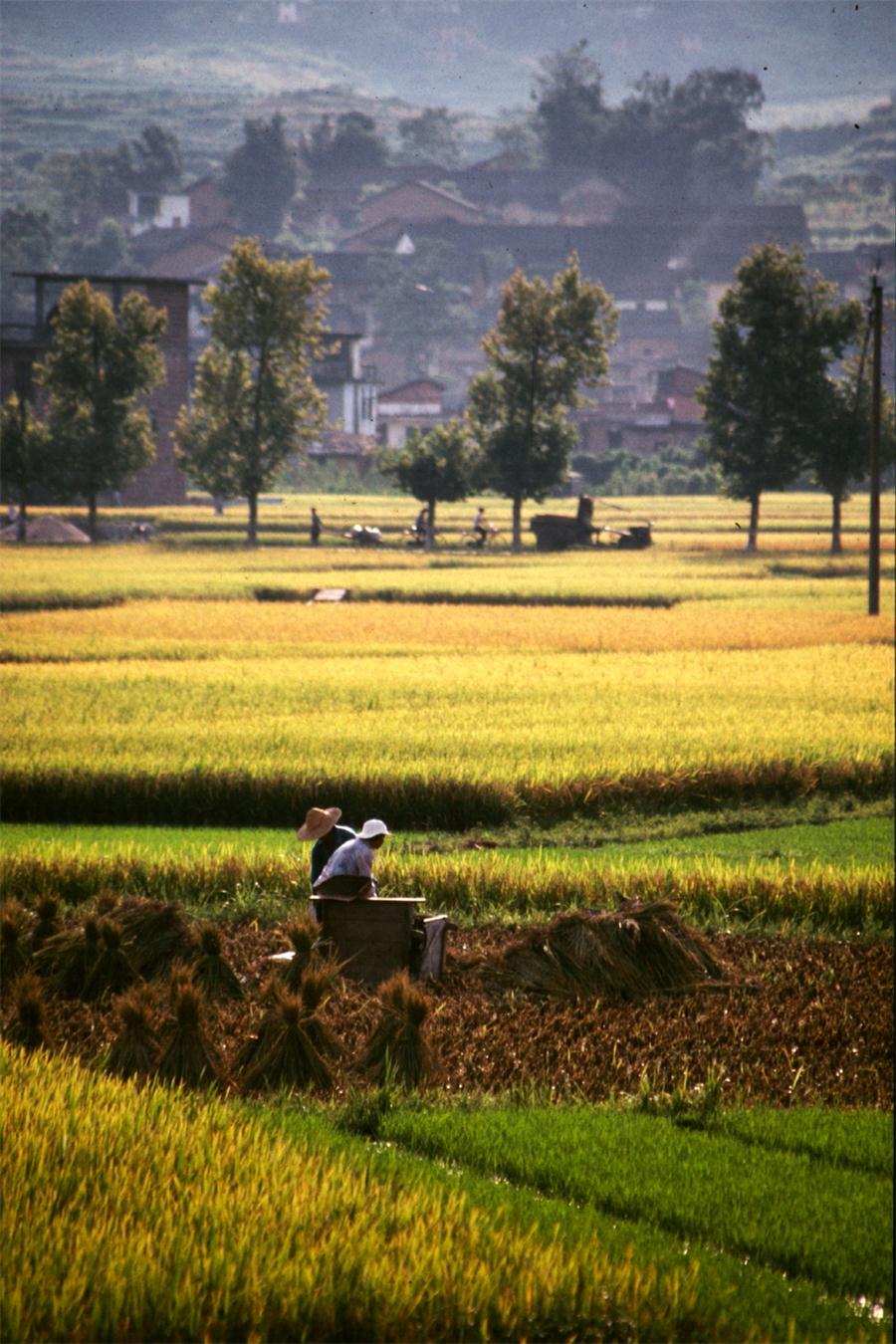
Later I would head south to Sanya, then a quiet town mostly based around fishing. Beaches were beautiful and devoid of people, in contrast to today's capacity crowds. But the highpoints of Hainan to me were inland, around the mountainous town of Tongshi, now called Wuzhishan. A centre for Li and Miao ethnic culture, it proved an amazing area to explore on foot. Tropical forests clung to the surrounding slopes, while flatter surfaces carried extensive fields of rice . Under beautiful, warm skies, it was a real experience taking in the scenes and sounds. It was a tranquility enhanced by hauntingly beautiful music drifting from somewhere nearby.

It was there and in Guangdong I became more immersed in the life of rural southern China. In northern Guangdong, Lianzhou was home to a sizeable Yao population living in traditional villages on forested hillsides, overlooking valleys with rivers meandering through rice fields. In the southern parts of the province close to the South China Sea, there were many chances to experience village life close to the small city of Taishan. Thankfully my camera recorded the scenes at every opportunity.
I found the jagged limestone pinnacles rising around western Guangdong villages inspiring and artistic. At times it felt poetic as I looked out on such landscapes from a train hauled by a steam locomotive. It was by train I reached Guilin and the "out-of-this-world" landscapes around Yangshuo in the summer of 1993. As a geographer I was transfixed by the limestone and karst scenery.
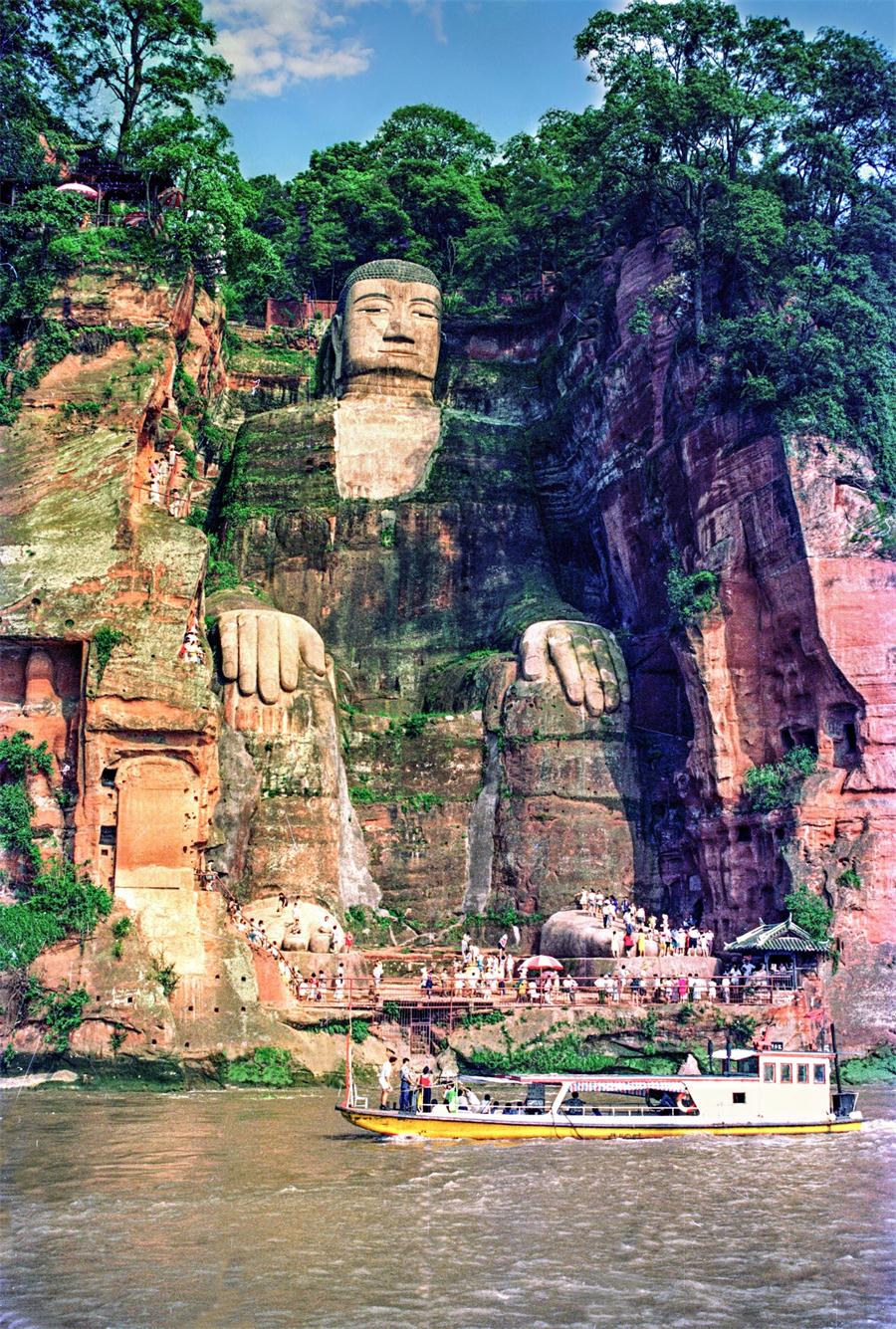
This all gave me an incentive to travel to find more beauty across the country. A 1994 journey led me again by train from Beijing to Sichuan. There, sitting above the confluence of the Dadu and Min Rivers was Dafo, or "The Great Buddha" carved into sandstone cliffs. On the river were reminders of the close relationship people have had for centuries with waters that are tributaries of China's mighty Yangtze. At Leshan, I watched as simple wooden boats rowed in scenes that felt timeless. Today, such boats will have disappeared, replaced by road bridge construction and fast, motorised vessels zooming across the water.
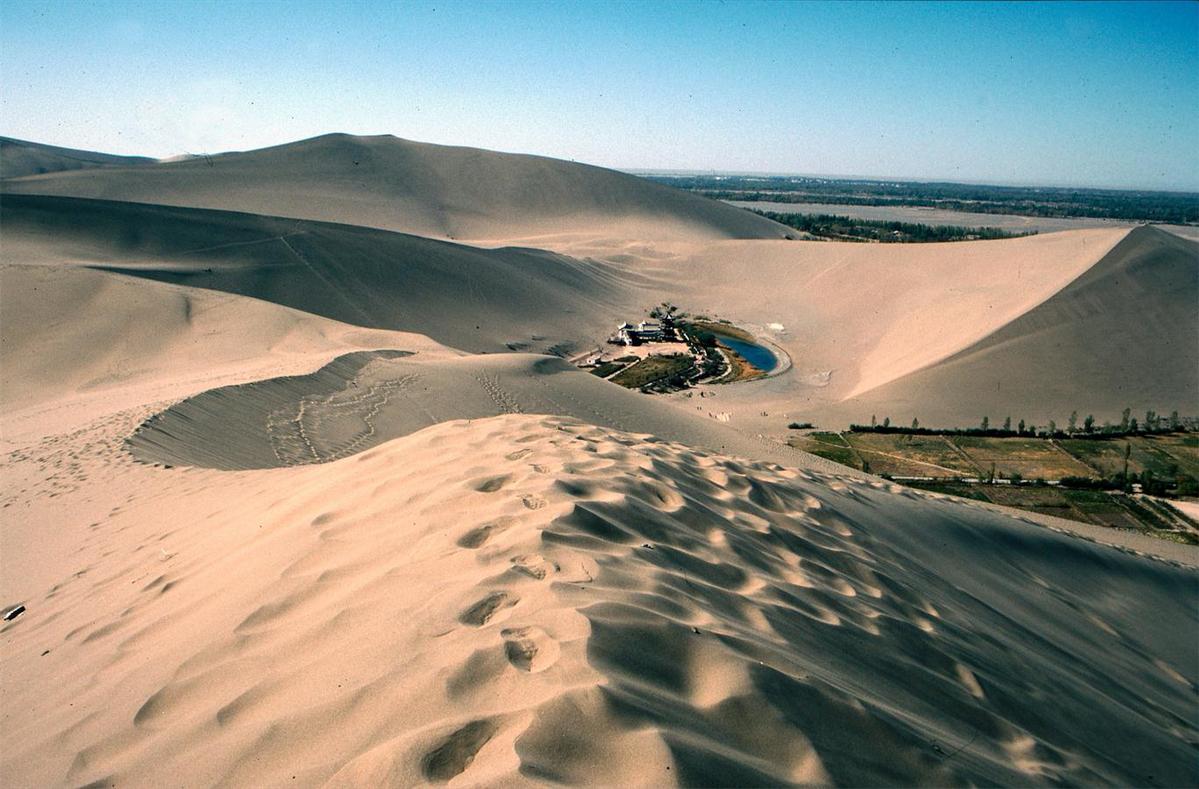
Most places in the earlier days before high-speed rail involved lengthy journeys. Obviously air travel means reaching towns such as Dunhuang or Urumqi directly, but rail lets the traveler see the magnificence of the scenery while appreciating the desert landscapes. In 1997 in Dunhuang, I really felt like an explorer climbing the massive sand dunes of Mingshashan with no other people around. Standing atop the ridges looking down on the natural wonder of Crescent Lake was like a geography textbook coming to life.
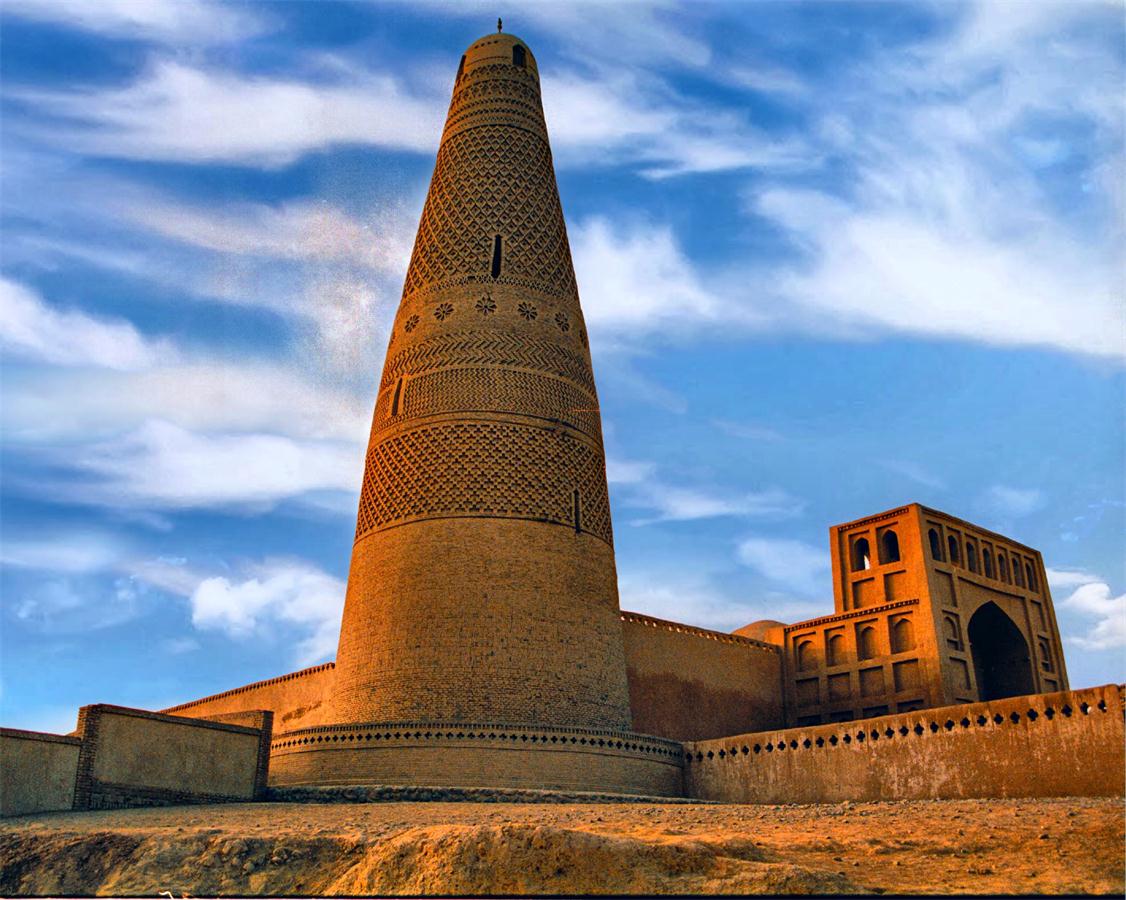
Farther west I would reach the oasis of Turpan in Xinjiang, walking two kilometers from town to photograph the unique, stunning architecture of the Emin Minaret and Mosque, which date back to 1777.
The journeys continued, and the photo collection steadily built up. Guizhou was a province I had passed several times to and from Kunming in Yunnan. It was an experience to actually visit Guizhou for several days in late 1997. I was glad to be using a digital camera, for had I been using film many rolls would have been consumed. Near Zunyi, the seasonal light rain and mist hanging around forested slopes enhanced the scene. I would certainly love to return to Zunyi to capture more of its magic.

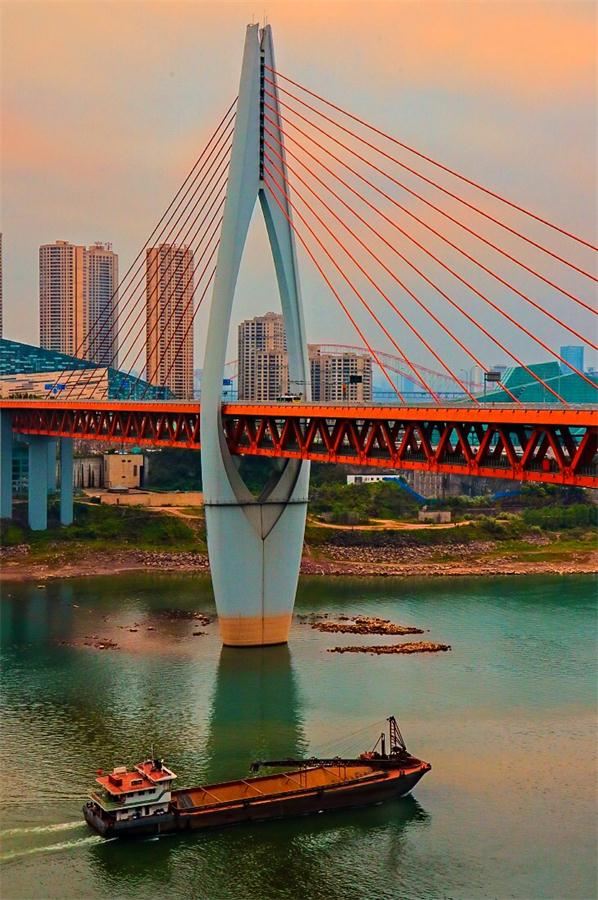
With urbanization and improving infrastructure, there are excellent new landmarks to capture by camera. When last in Chongqing in 2017, I was taken by the elegance of the many bridges now crossing that municipality's major rivers. These bridges add character, grace and color to the urban fabric. Railway station design, incorporating futuristic concepts in shape and construction, present many exciting opportunities for photographers. I was particularly captivated by Tianjin's contemporary West and Binhai stations.
Of course Beijing, where I have lived for many years and first visited back in 1987, has its classic landmarks that always present opportunities regardless of the season or weather. I still find the vast Forbidden City a location that inspires. Standing at the northeastern corner, particularly with the setting sun as a backdrop is inspirational, no matter how often viewed. Beijing has so many classic and modern landmarks this entire article could be devoted solely to them.

I hope there will be many more opportunities to capture the essence of China through the lens, for it has become a lifelong passion.