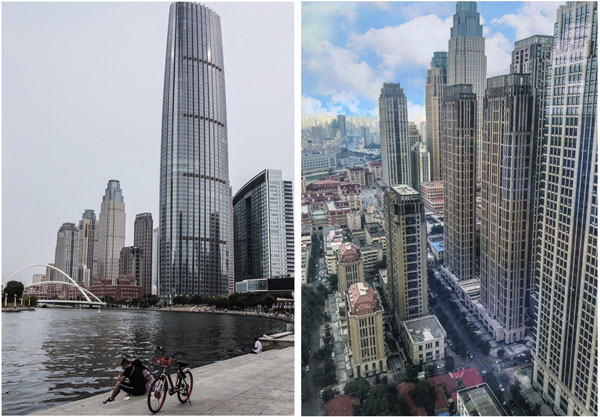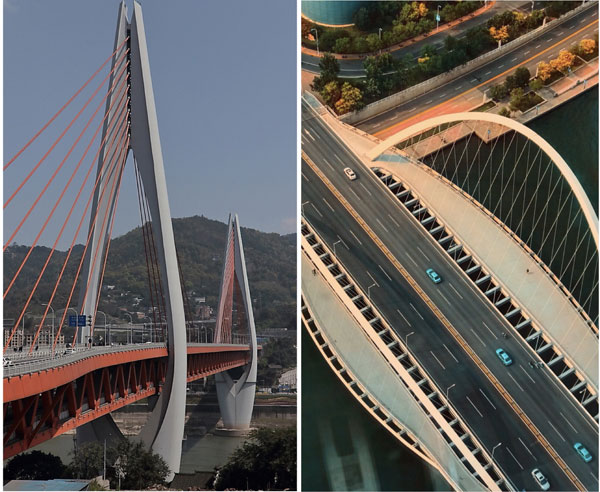
(Source: China Daily)
Thirty two years watching the evolution of China
By Bruce Connolly | chinadaily.com.cn | Updated: 2019-07-24 09:55
"You must have seen many changes? How often have I heard that when people learn I first came to China in 1987.
I first came to China in 1987. When people ask me about my experiences, the first thing they always ask is, "You must have seen many changes?"
But since arriving in Beijing on that blistering hot July day over 30 years ago, what comes to mind the most is not how different the country has become, but how familiar it makes me feel.
Since departing Scotland from Glasgow Central Station, a country I once knew so little about - apart from a few preconceptions - has become by home.
It was the start of another great railway adventure. I often spent my long summer holidays, away from teaching, by travelling. My background as a geographer went hand in hand with a burning desire to travel. For me, there is no better way to travel than by train: it is the finest way to see the landscape, meet the people and get to know the inner heart of a country.
(Even today I still travel by train; I prefer not to fly, and in China, I will take the slower 'green trains' rather than the newer intercity high-speed services, if I have the time.)
A slow train journey to China would allow me to see how Europe gradually morph into Asia, how people's appearance changed, hearing languages suddenly change to something new and perhaps unheard. Landscapes would transition from dry, semi-desert conditions around the northern borders with Mongolia to the hot, humid rice lands of Hunan and Guangdong.
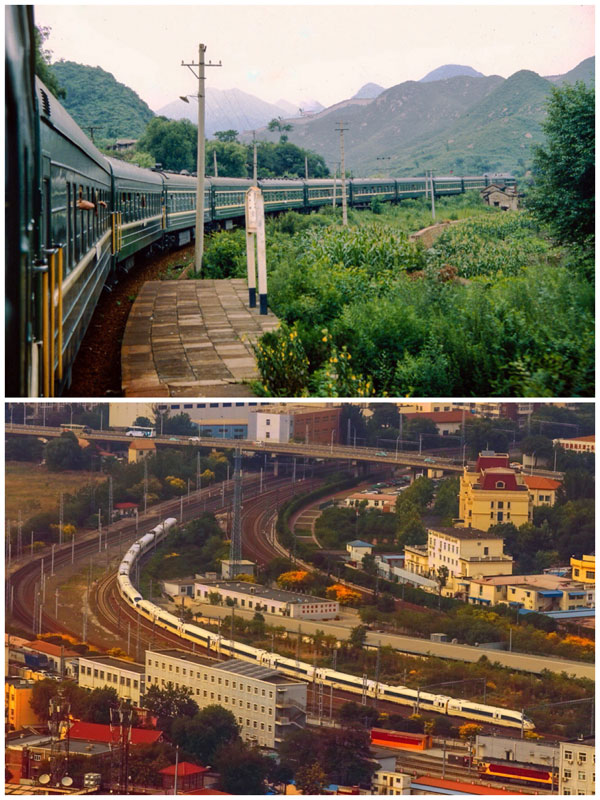
But to return to the most common question: of course China has changed vastly since 1987. I could never have imagined then, as my train steadily pulled away, that twenty years later the country would be embarking on creating the world's greatest, most extensive high-speed rail system.
Beijing to Tianjin started with 350 km/h services in 2008, in time for the 29th Olympics. Steam locomotives still operated and were being manufactured in China through into the 1990s.
Admittedly, I loved my steam rail adventures in Guangdong and still talk of them. However, much of the early rail services were operated manually, making them incredibly labour intensive. Today, the technological advances mean increasingly advanced computer systems enable sixteen-coach units to travel safely not only at high-speed, but with only a few minutes between each train.
I regularly pass through Beijing South Railway Station, and constantly see new high-tech developments making travel both easier and more efficient. Electronic departure boards display a seemingly endless list of trains departing every five or ten minutes to nearby Tianjin or Shanghai. Stations today bear no resemblance to those I experienced in the late 1980s and '90s. But they had been constructed for a different period in China, when far fewer people travel compared to today (although I admit that for an avid traveller such as myself, some of the earlier adventures of travel have slowly been replaced with the rapid rush towards even better levels of technology!)
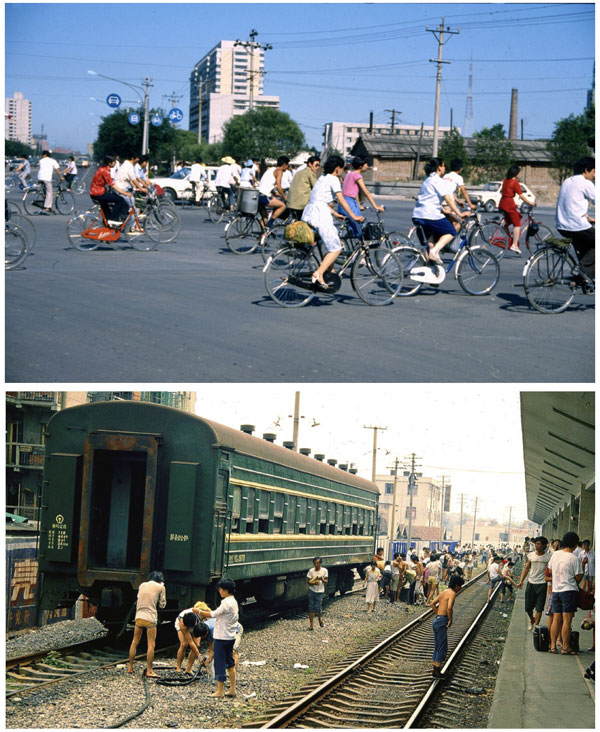
In 1987, Beijing was a city of the bicycle. At my hotel in Beijing's Haidian District, phoning back to Scotland required placing a request with the hotel operator to make a call at a certain time. I would eventually be called back with a connection through to my parents who would be wondering where I was. Today, of course, smartphone technology allows us to quickly organise multi-trip, multi-transport journeys to China or beyond quickly and efficiently. I hardly ever use cash, since my phone acts as a digital wallet and keeps fumbling around for coins or banknotes at its awkward distance.
Travelling south by rail through China was both an adventure but also a learning experience.
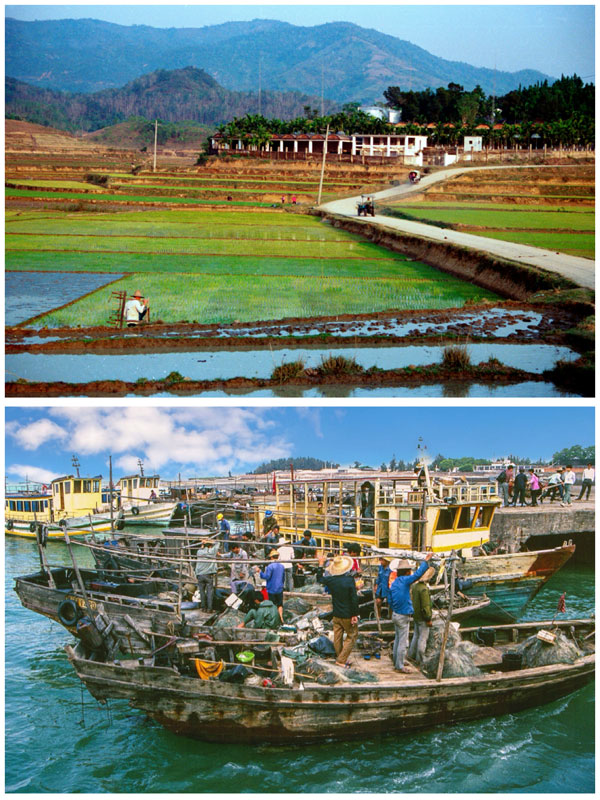
Following the same route today, I was once in a different country. China was much more agricultural when I first took the journey, with many people working the land. Most urban areas we passed through were much smaller by comparison, but again relied mainly on intermediate technology. The urban streets and rural roads were certainly much quieter, and along the entire route, there wasn't an expressway in sight. I noticed most places seemed to have very little evening activity; the bright electronic lights of today were not there, let alone the high buildings that we now accept as the norm.
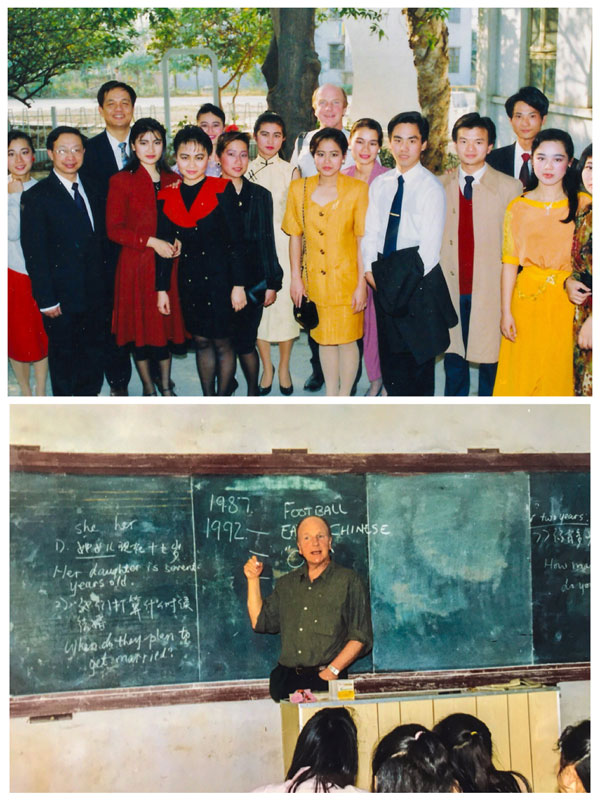
Working in China introduced me to so much that could never have been gained simply as a tourist. After 1987, I really wanted to return and discover more of the country. Fortuitously an opportunity arose where my then provincial government had a relationship with Guangdong, allowing an exchange of teachers. Partly through my growing passion for China at that time, I was selected, heading towards Guangzhou for a year. Like the earlier train journey, this in even greater ways proved to be a life-changer. Teaching in China at that period was so different to anything experienced back in Scotland. I lived and worked on the campus alongside my colleagues and students. It became a fundamental year that gave me insights into the country that a short travel journey could never have provided.
The work intensity and dedication of the students I was privileged to teach also impressed me. I came to realise they were the first generation to start their studies just as the policies of 'reform and opening up' were taking shape. In conversations about their attitudes to study and life, there was a unanimous feeling of being a part of the country's future. It was a passion I could feel and indeed influenced me in my approach and attitude to work during that year, and beyond.
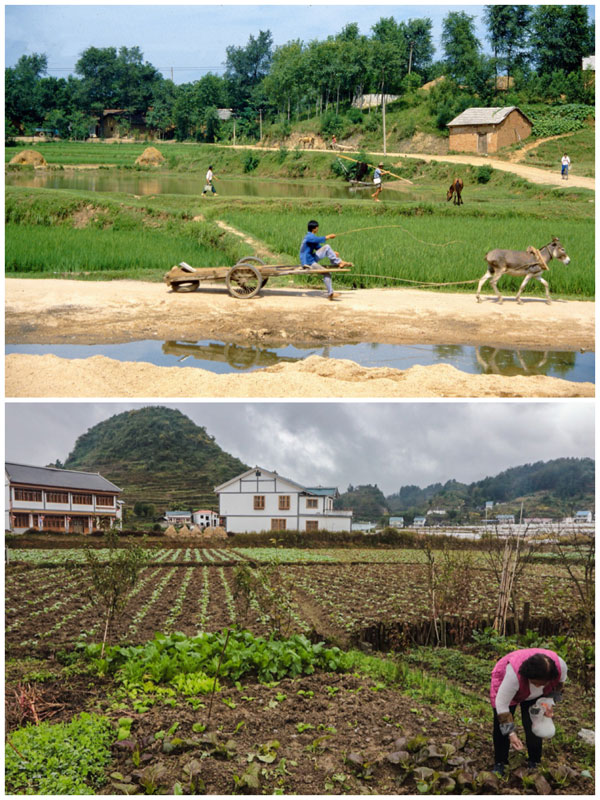
Colleagues and students became my guides to China, to discovering a very human side to the country. Many had come from homes within small towns and countryside villages, where they had few or any of what I accepted were everyday needs back in Scotland. As I travelled more across China in the 1990s I became increasingly aware of rural hardship, and how although the countryside may look appealing and tranquil, life could nevertheless be hard compared to the more comfortable urban environments starting to develop. I recall at a southern Guangdong village near Taishan offering to lift water from a communal well and carry two buckets indoor by bamboo pole - so it was understandable that people were looking to migrate to larger cities such as Guangzhou.
Following such experiences, it has been a considerable interest to watch the efforts invested in alleviating rural poverty. Lifestyles I saw twenty years ago are increasingly disappearing. It was fascinating in 2017 to visit rural areas of Guizhou near Zunyi, where I witnessed considerable prosperity and improvement to village life. I have also encountered changes for people living in third or fourth tier cities today, as well as smaller towns.
It was partly the inspiration received from living and working in Guangzhou in the early '90's that drove me to travel throughout China. What was seen then allows a comparison with how communities and indeed people I knew in my early days have steadily progressed.

The island of Hainan attracts many visitors from across the country and beyond. In 1993, I almost had the beach at Sanya's Dadonghai to myself. People had few if any holidays and certainly not the savings or income to spend on such comforts. Today, Hainan offers world-leading levels of hotel accommodation and experiences. Aside from the coastlines, I travelled inland to visit what was a small town, Tongshi, today known as Wuzhishan. It was solo-immersion in a semi-rural community where many, particularly older people, spoke no standard Chinese. Today it and similar once isolated communities have benefited through greater connectivity. Airport construction, for example, has opened up once remote areas such as northwestern Yunnan for tourism, providing employment for many young people who would otherwise head to the cities.
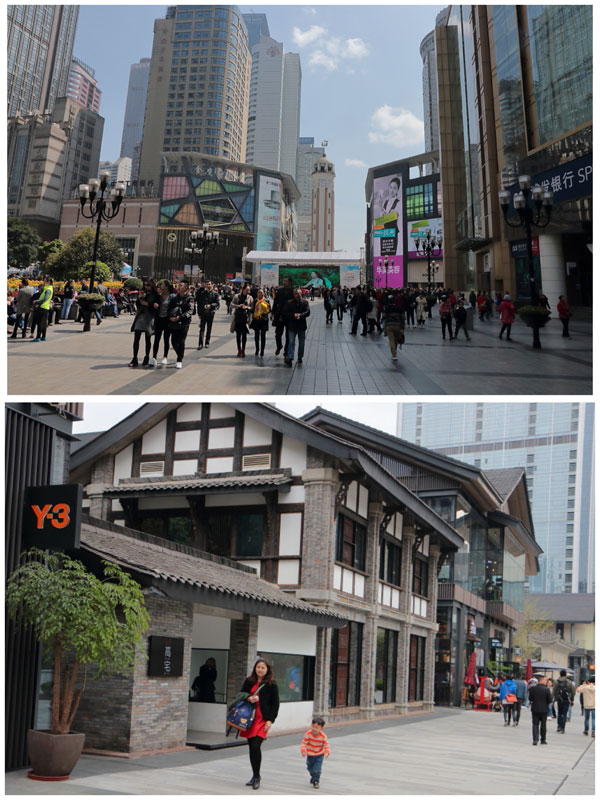
Urban living conditions have also changed so much over the years; one daily experience is public transport. Few metro lines outside of Beijing meant people previously chose to travel bus, which often old and usually very overcrowded. Today, not only has the quality of buses vastly improved but the construction of many metro lines in cities across China make it easier to connect between destinations. For example, to travel between stations on high speed services, often located on city outskirts, and downtown.

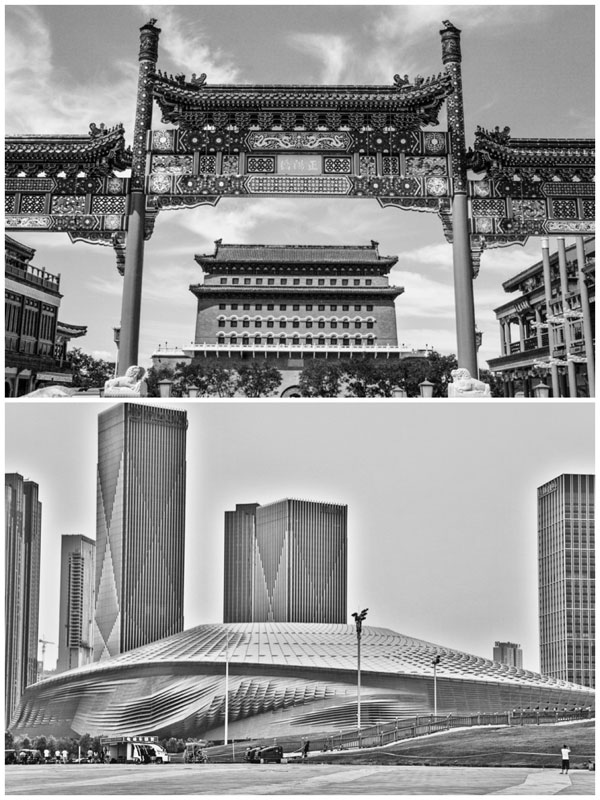
Urban skylines have undergone a particularly breathtaking transformation. In 1996, my first visit to Shanghai, Pudong seen across the Huangpu River from the Bund was dominated by the Oriental Pearl Television Tower. Today Pudong has grown into a symbol for modern China, so incredible have the changes been over those 23 years. All cities have witnessed and upsurge in shopping, dining, hotel and entertainment facilities so different to the standard department stores and outdoor markets that were once the norm in most urban centers.

However, China still retains its many historic treasures, such as the palaces and temples of Beijing, the European-style architecture of cities such as Qingdao and Tianjin or the ancient Yunnan towns of Dali and Lijiang. Many of these places today are easily accessible on the tourist trail thanks to infrastructure improvements, whether it be high-speed rail, airports or expressways, all helping to open up the country while helping to promote growth.
A friend back in Scotland recently wrote to me on-line about my initial train journey to China 32 years ago. "Imagine what you would have missed in your life if you had never made that journey, it was a life-changer," he commented. And he's right: it led me to be in China right through periods of incredible change across the country.
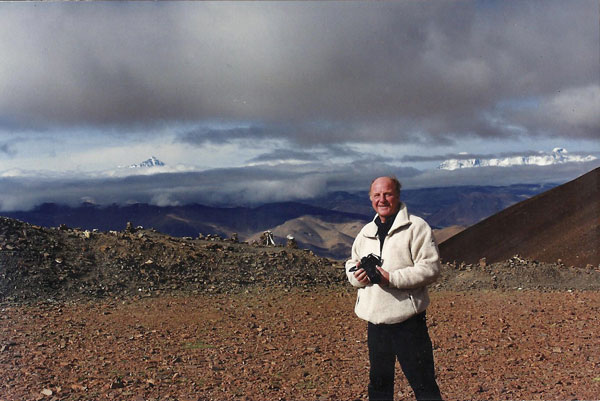
Looking back over the years to 1987, it was hard then to envisage China would go through so much incredible transformation and evolution. However, on a journey that began with working in Guangzhou to learning from the people around me, I knew things were going to happen in China, big things.
I am glad to have been here, to have witnessed and indeed been part of the change.