(Source: China Daily)
Shanxi - a passionate journey to the Yellow River
By Bruce Connolly | chinadaily.com.cn | Updated: 2019-05-21 14:59
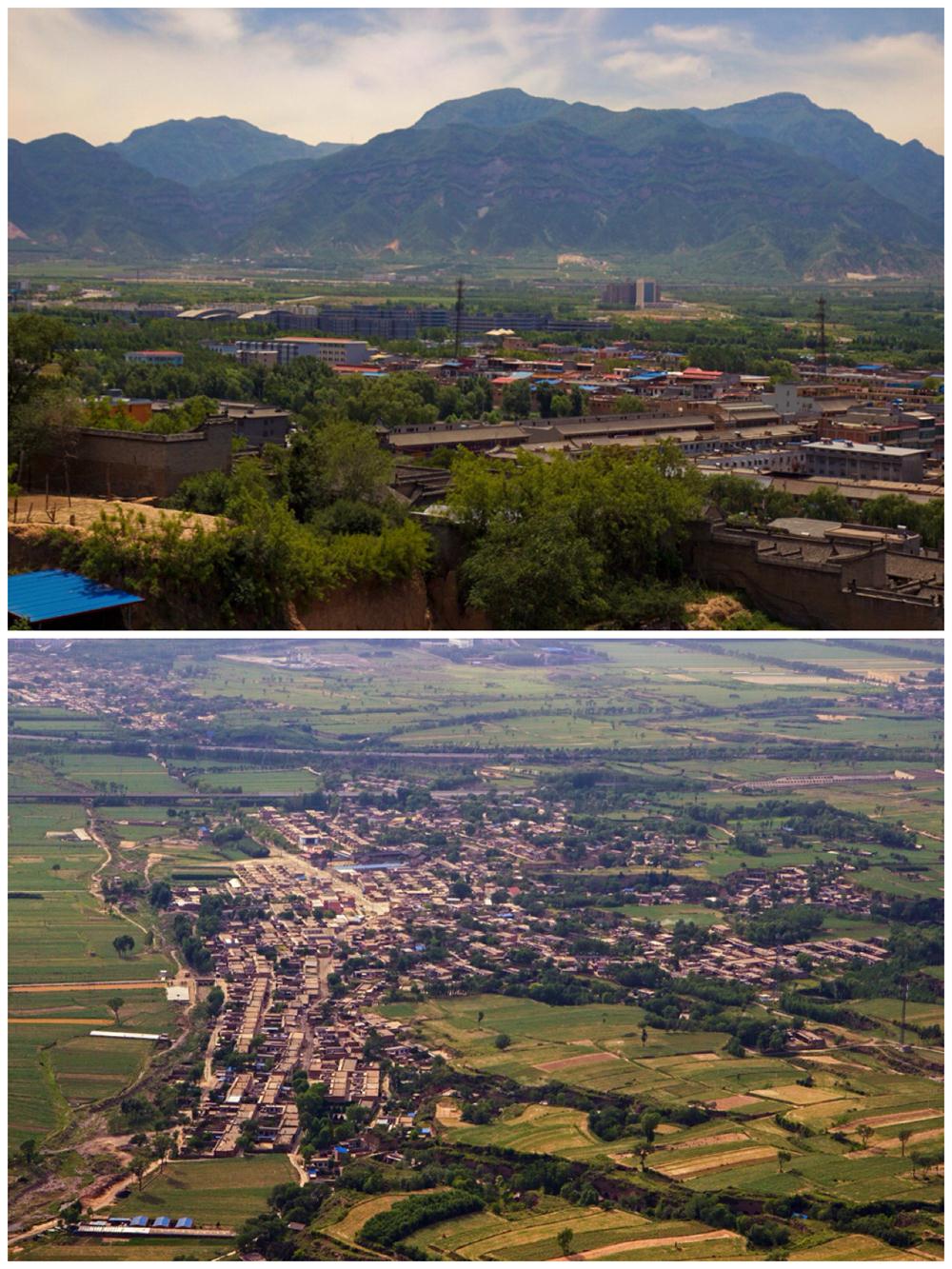
Recently I took a long trip by conventional train from Chengdu to Beijing. It retraced a route to Sichuan I had first traversed in 1994. Both journeys went through the provinces of Shanxi and neighboring Shaanxi, and both were overnight. But I managed to look out from time-to-time, across clear and starry skies, onto the outlines of a dry landscape renowned for its cave dwellings. The route encompassed the land of the "Yellow Earth", a title referencing vast deposits of wind-blown non-glacial loess carried from northwestern deserts and built up over very long periods of time. Incredibly, around 10 percent of the earth's surface is covered by such material.
For China, an area as large as 640,000 square kilometers around the upper and middle reaches of the Yellow River is known as Huangtu Plateau, with altitudes between 1,000 and 1,800 meters. It takes in much of Shanxi, Shaanxi, Gansu provinces along with Ningxia Hui Autonomous Region and parts of others. The soil is highly erodible, particularly in the more arid western areas, while the Yellow River is so named because of the vast quantities of silt it carries. A feature of such landscapes are deep gullies into which caves have been cut that for centuries were the homes of many residents, indeed some are still used. The 1984 film, Yellow Earth directed by Chen Kaige and photographed by Zhang Yimou helped to capture the physical mood of the area and character of the people from that part of the Yellow River.
Shanxi, whose literal translation refers to land west of the Taihang Mountain, was one of the first provinces I saw in China, skirting around its northern edge by train in 1987 by train , passing through Datong en route to Beijing. I had also several times, overnighted by train to and from Xi'an, for example. However it was not until 2016 that I had a real opportunity to explore and discover parts of the province, particularly between the provincial capital, Taiyuan and the Yellow River valley.
Before that visit I would hear Shanxi's name synonymous with coal mining and associated pollution. Yes, it is one of China's leading centers of coal production, particularly around Datong. Indeed a railway line was constructed solely to carry lengthy trains transporting coal from Datong to the Bohai Gulf port of Qinghuangdao. However, when I was in Shanxi I saw no coal mines, instead a quite beautiful and at times stunning landscape. With air pollution maybe I was lucky, for air quality and visibility were both excellent as my photo images show. Noticeable efforts are being made to tackle pollution, for example in Taiyuan all taxis are now electric-powered.
In my earlier days there were also preconceptions of Shanxi being quite far away, across a mountain range, indeed more part of northwestern China? However the country's investment in high-speed rail results in Taiyuan now being under three hours from Beijing. Particularly the section between Hebei's Shijiazhuang and Taiyuan there some amazing engineering achievements with lengthy tunnels piercing upland areas allowing high-speeds to be maintained. Catering mainly for the new train system Taiyuan South Station is modern, spacious, efficient and an now an excellent gateway to the city.
Unfortunately I did not spend much time in Taiyuan. But it was enough to experience its distinctive noodle-based cuisine, which comes in a variety of sizes, shapes and flavors along with exploring landscaped stretches of the Fen River that bisects the city.
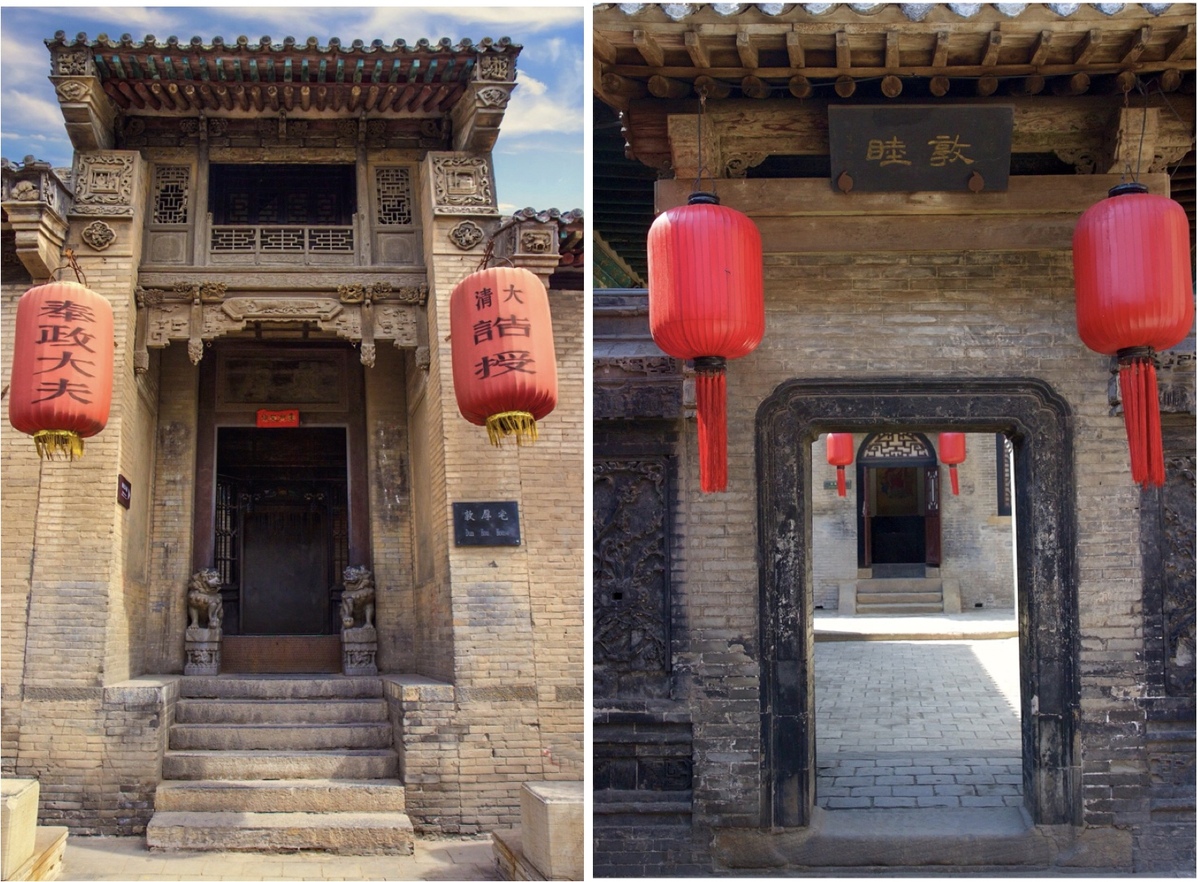
Historically, Shanxi was a major center for business growth, particularly during the Qing Dynasty (1644-1911), with China's fledgling banking system initially growing in Pingyao before spreading across other parts of China.
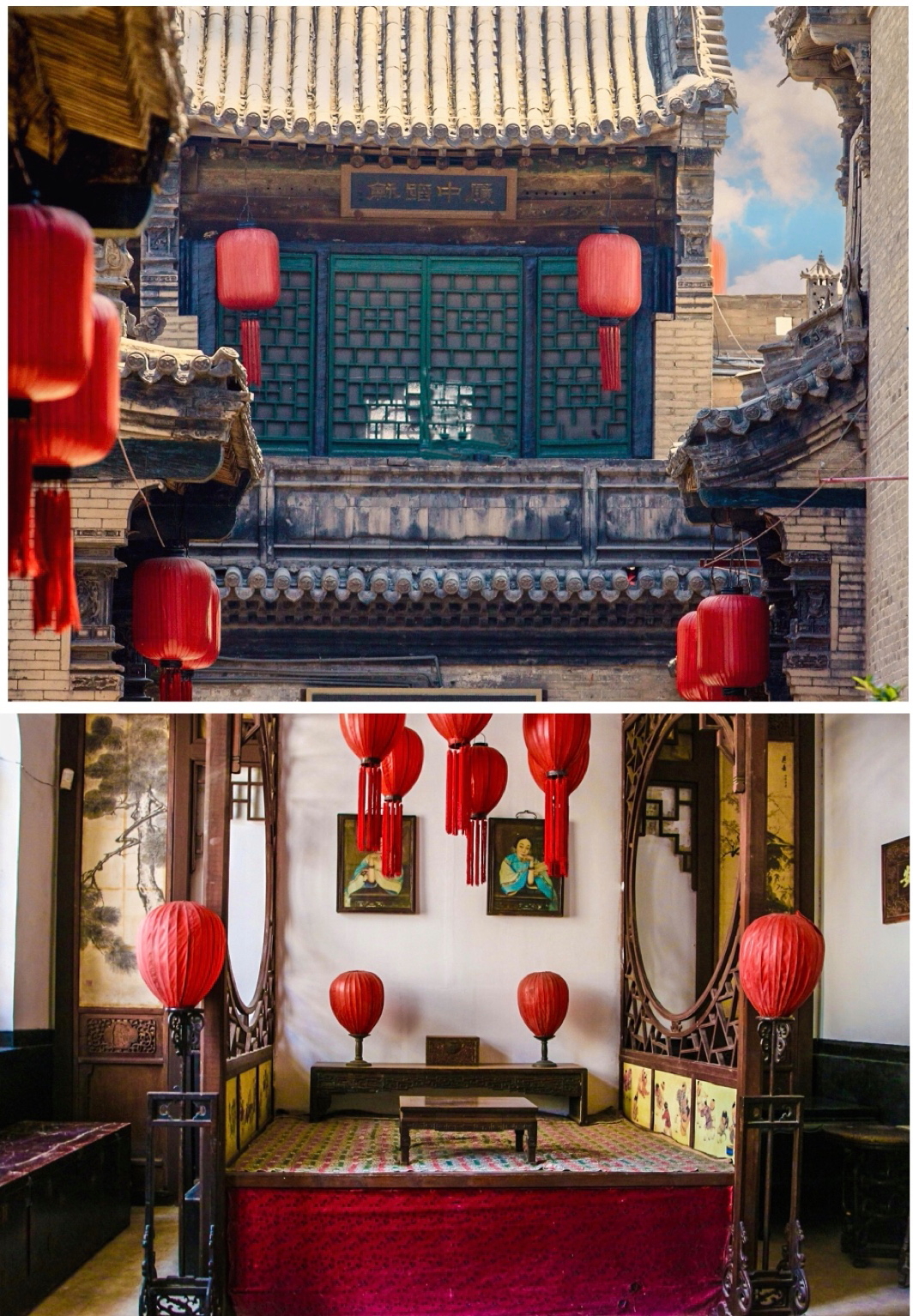
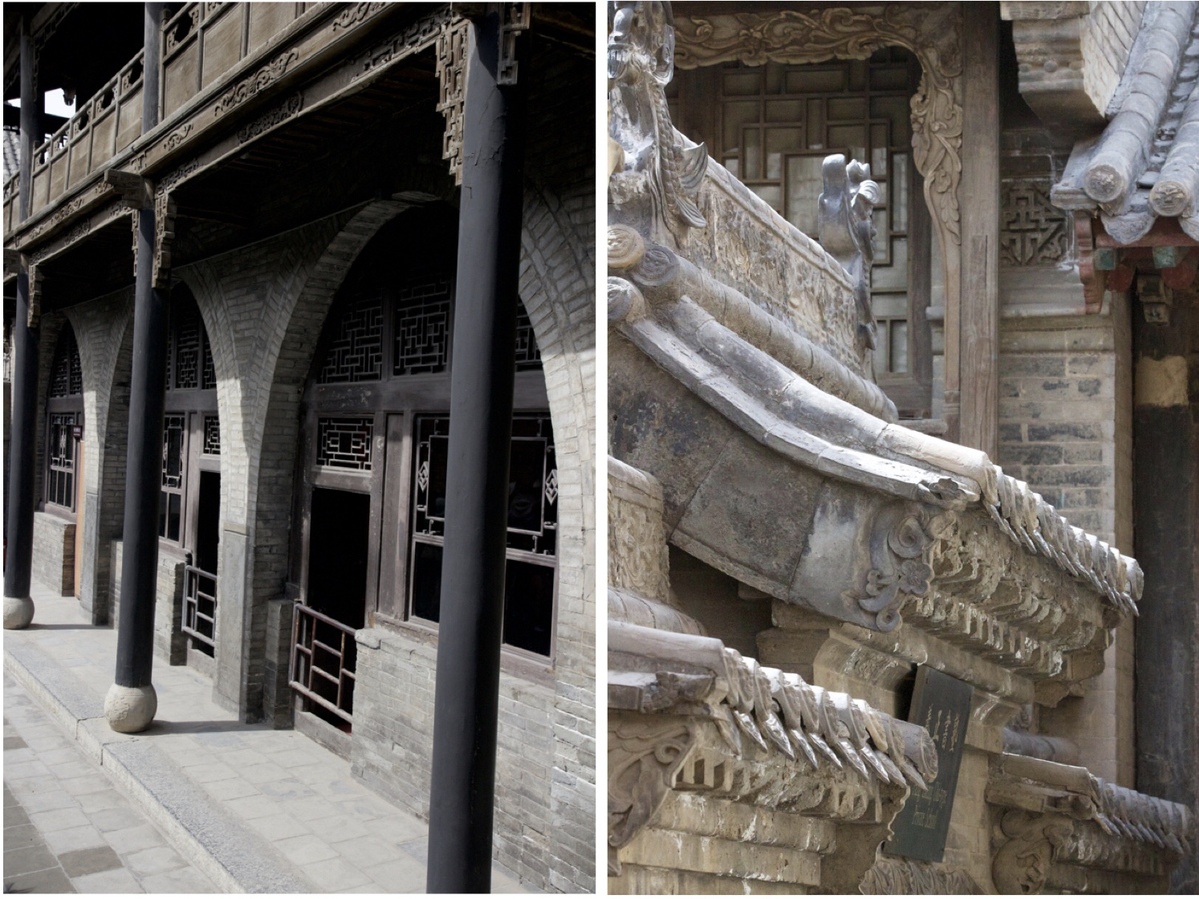
Through parts of the province, large courtyard mansions, some of which I fortunately visited remain as testimony to their wealth. 42 Kilometres from Pingyao sits the Qiao Family Courtyard also known as Zai Zhong Tang whose owner Qiao Zhiyong was a prominent financier during the Qing Dynasty. Indeed walking through just some of its 313 rooms and 6 prominent courtyards it is easy to imagine the wealth of that period. So grand that its main entrance was created in the form of the gates of an older Chinese city. Surrounded by a 10 metre tall green brick wall the compound, represents a northern China style of dwelling. Both exquisite and well-preserved, the many major films shot includes a classic of Chinese cinema, 'Raise the Red Lantern'. An excellent and indeed popular place to visit it is indeed a venue to learn and study more of domestic folk customs.
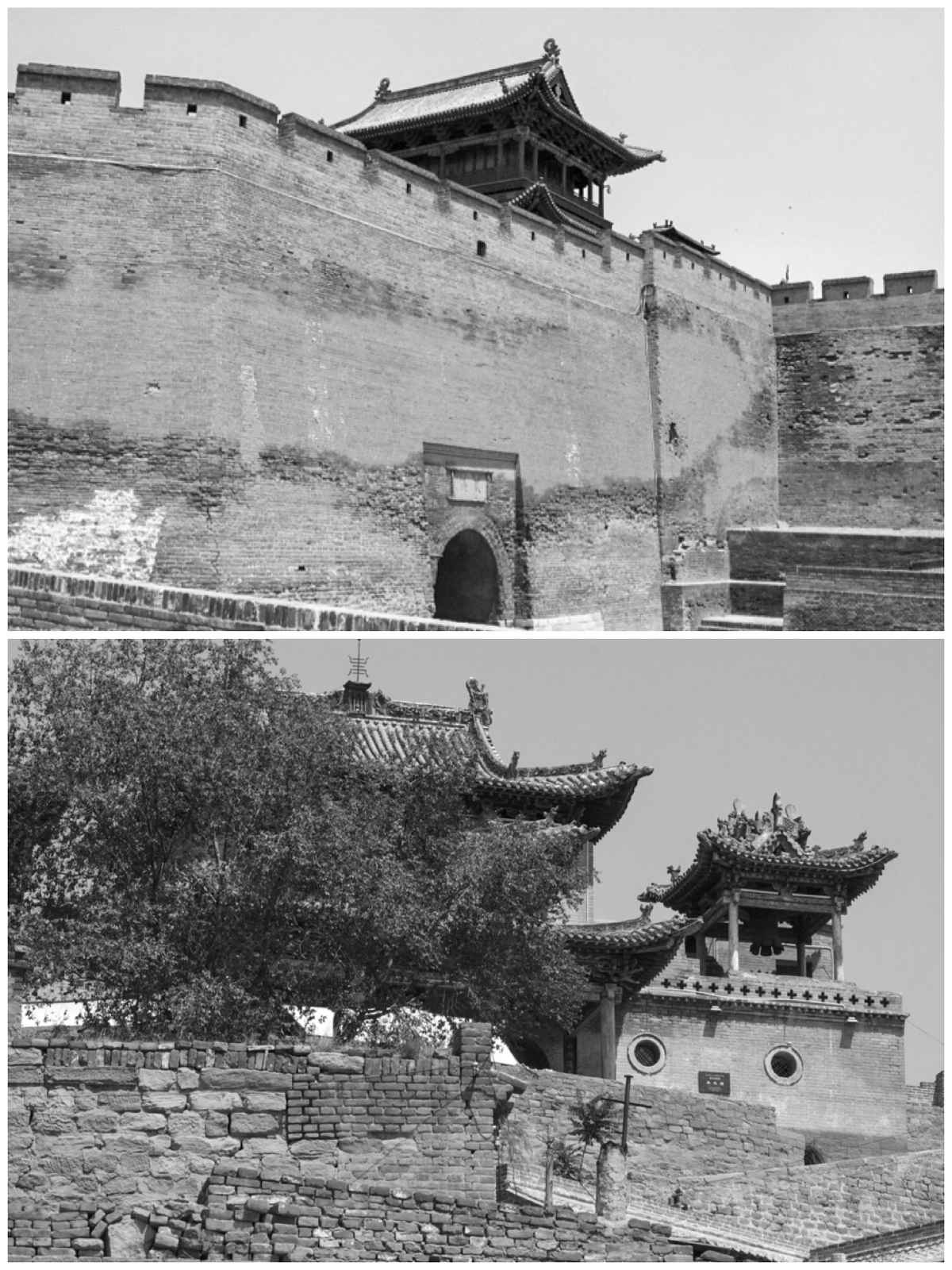
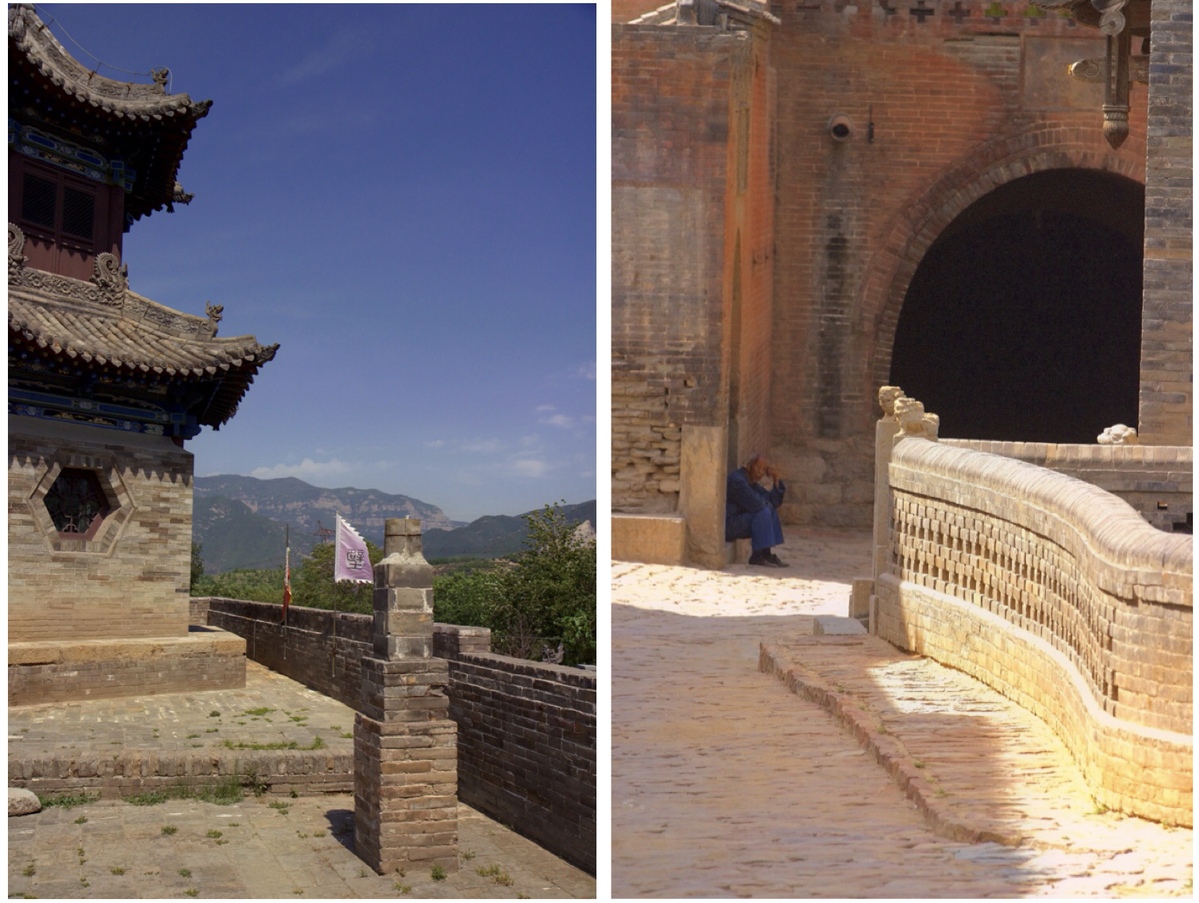
Later I would visit the large Wang's Grand Courtyard in Jingsheng Town. Appearing so extensive in scale and surrounded by a strong grey brick wall it resembled more a massive fortress set in a spectacular location facing towards the Mianshan Mountain. Entering from a small gate, the compound simply seemed to become larger and larger, indeed a whole day would be required to explore its multitude of rooms. Indeed it would be quite easy to lose oneself amidst its architectural finery. Finding it quieter than the Qiao Courtyard, I loved walking alone through its vast at times empty passages and up onto the walls. Beyond an agricultural plain stretched towards Mianshan, while directly below the walls it was possible to look down on entrances into former cave dwellings, some still used for storage. The adjoining small town looked fascinating to explore but I was heading across the valley to a truly fascinating location, Zhangbi Village.
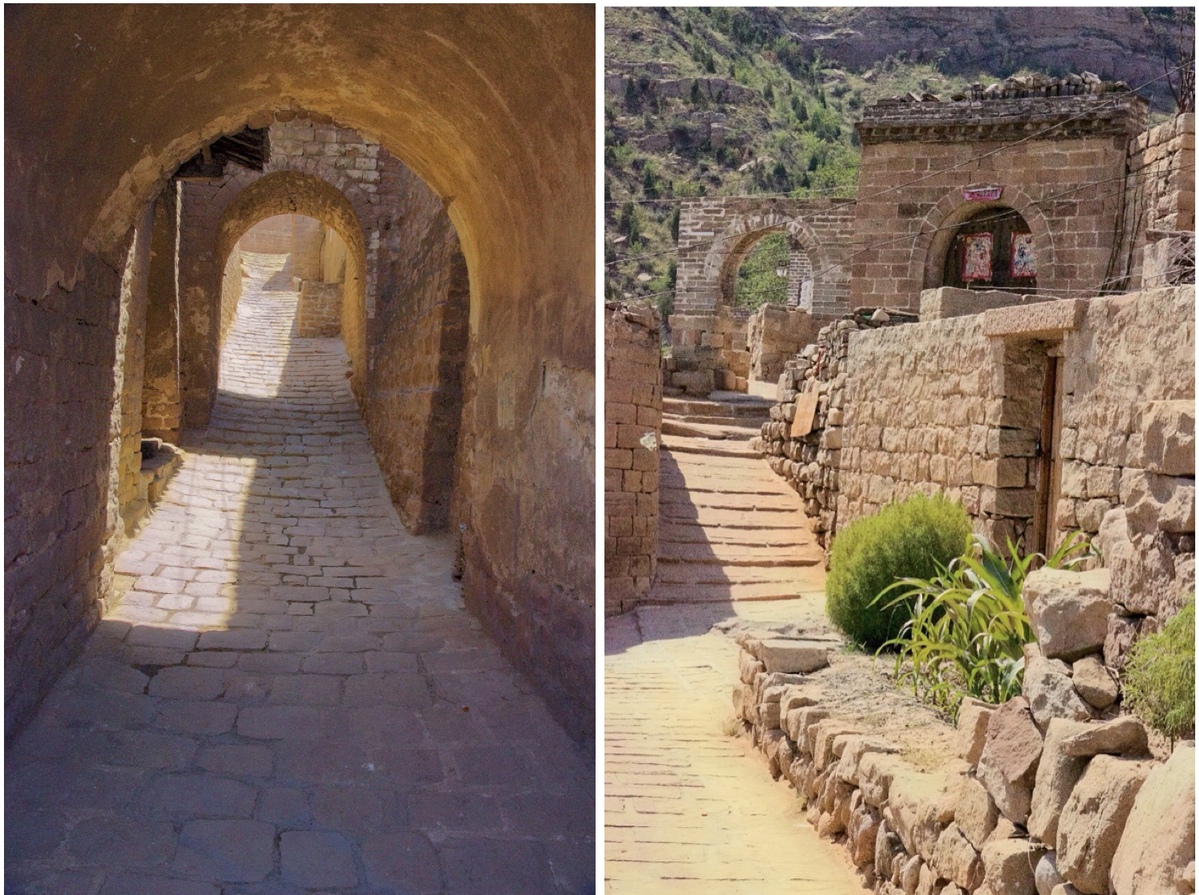
Zhangbi seemed like stepping back in time, indeed walking its lanes, it felt that history was written in stone. Much of its construction that included not just domestic buildings, but subterranean passages, bridges, fortifications, a temple and more were built of stone. If only those stones could talk, there must be so m much history to discover of it. Dating back 1,600 years it resembled a miniature castle that included housing, production and worship. The surrounding area has several ancient and historic sites also worthy of exploration. I was to learn Zhangbi's construction follows theories of traditional Chinese geomancy and astrology. Surrounded by a 10-meter wall and deep gullies on three sides, it was easy to defend but difficult to attack. A network of tunnels, capable in the event of an attack, of accommodating up to 30,000 people, extended like cobwebs under the village. For me as a photographer it was a location I could easily have spent all day, not just documenting its uniqueness in architecture but its local people some descended from families going back many generations at Zhangbi. However, it was noticeable there were few young people sitting around its earthen colored stone and brick alleys, a story repeating itself across rural China today.
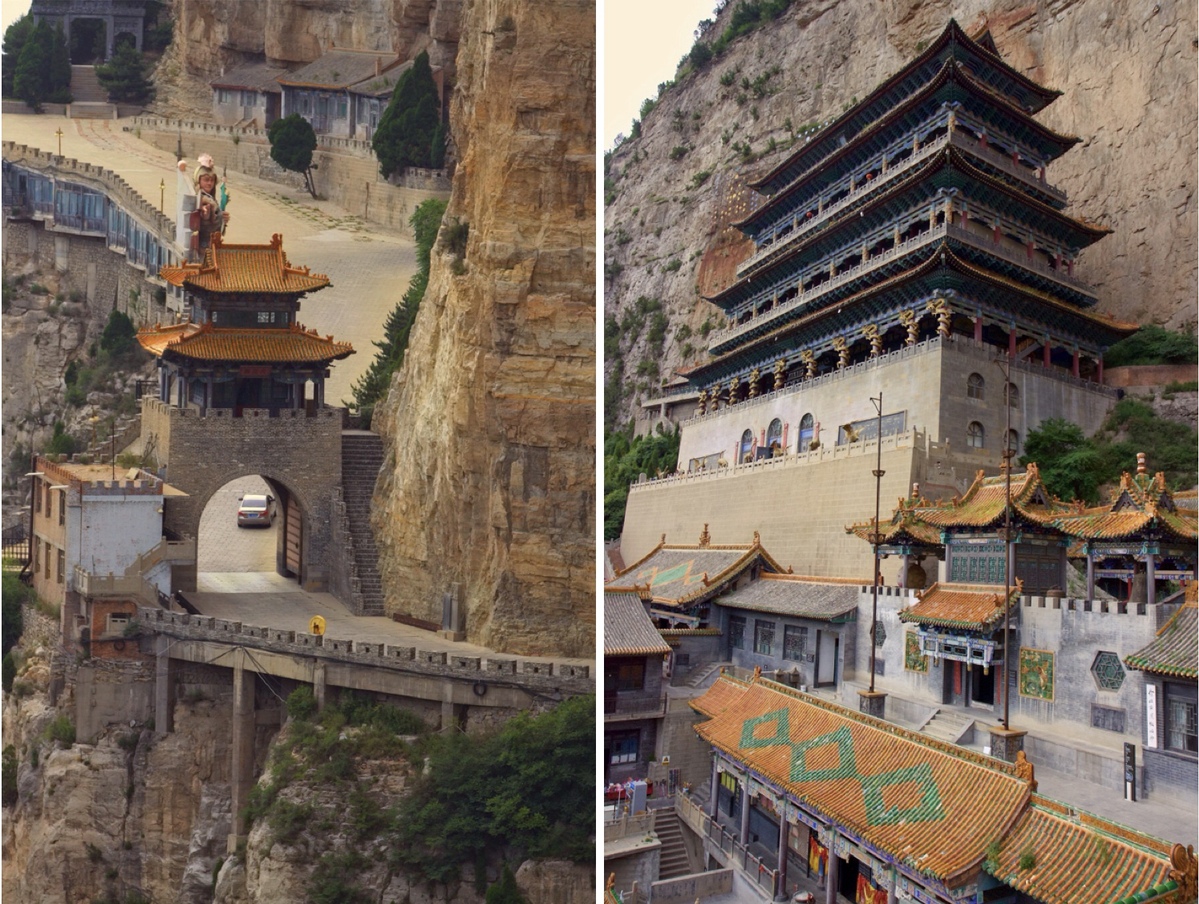
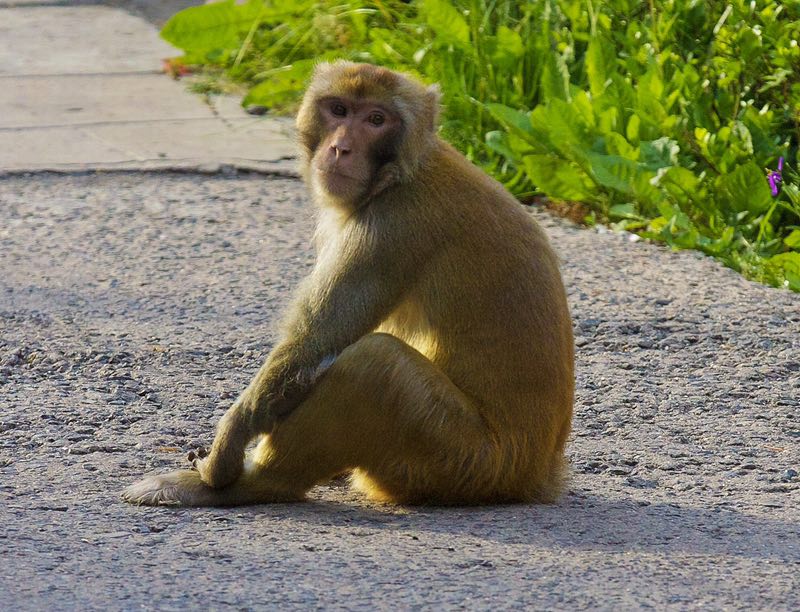
As a geographer and in my earlier days a mountain climber, getting to the high places in China is always a joy and in Shanxi this transpired with a visit up from Zhangbi Village to Mianshan. Renowned for its Buddhist and Taoist temples the mountain is also famed for its at times unique natural scenery. However what was really fascinating about visiting was that we need not climb or walk up the mountain. A two-lane road had been incredibly engineered along at times a vertical cliff face. The road would penetrate tunnels or be carried over roadways built like shelves protruding from the sheer rock edges. From a distance the ascent looked a bit precarious but once underway it was both safe and thrilling providing increasingly scenic views over the surrounding terrain. Stops were made at scenic spots where water emerged from the rocks, where dragon statues stood guard and where temples clinging literally to the rock face could be accessed by elevators or physical climbing. At the end of the road a trail led up through an increasingly narrowing valley alongside some tranquil natural scenes of trees, water and rocks. At one point a large monkey sat alongside the trail thankfully harmlessly watching me. That evening was spent in a mountain hotel again which seemed literally built onto the vertical side of the mountain. Dawn next morning, waking up high on the hill, amidst nature was so tranquil. The descent through scenes of rock mixed with greenery and forest along with expansive views across the valley remained spectacular until reaching the base. An amazing experience of a mountain in China, unforgettable!
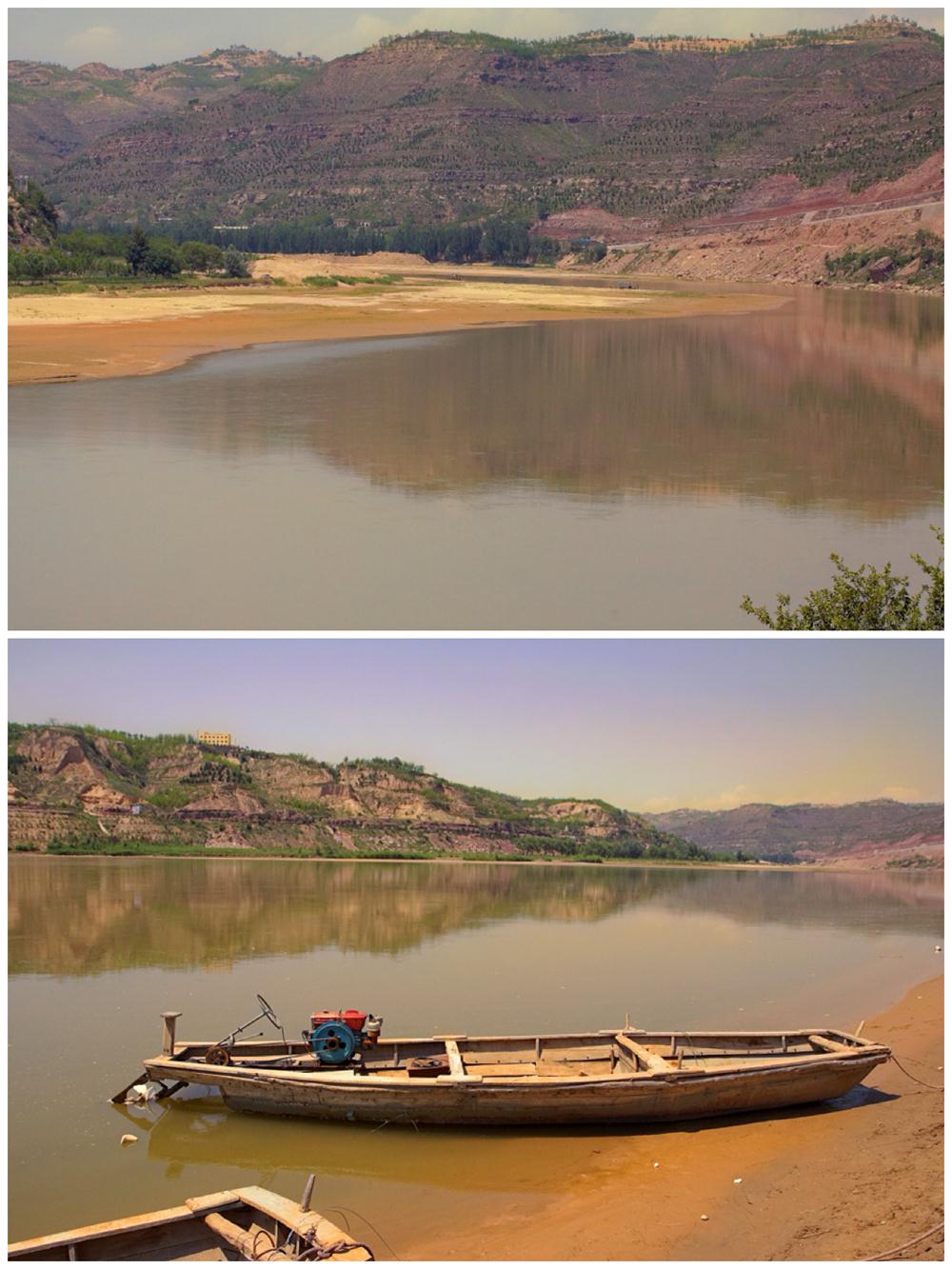
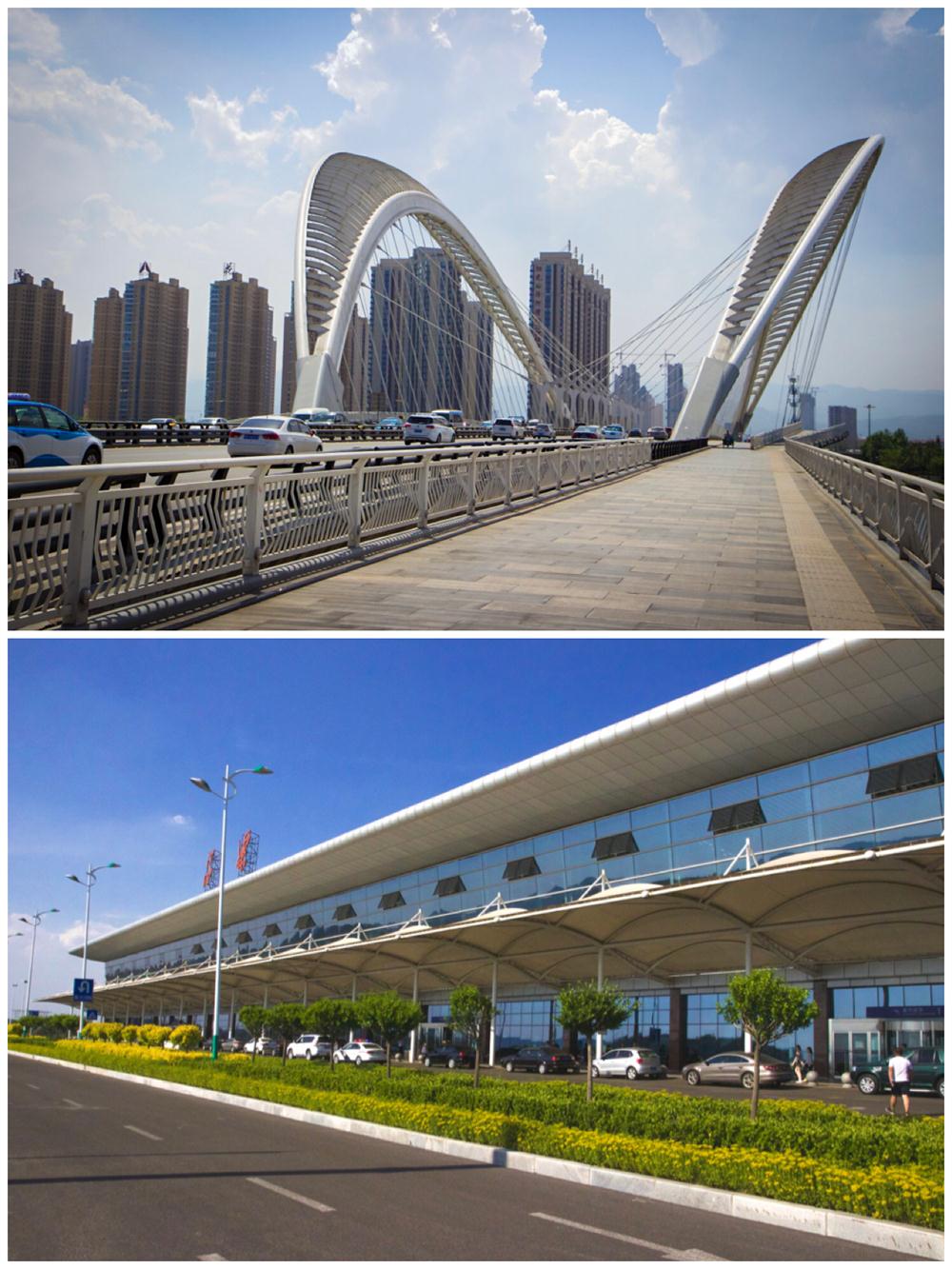
As we travelled, I was increasingly aware of recent infrastructure work going on in Shanxi. The onward journey from Mianshan was no exception because the route would lead gradually down from the plateau to the banks of the Yellow River. A modern, well-graded expressway descended past high-speed and conventional rail construction, a recently opened airport near Lvliang, urban and village construction until arriving at Qikou. Historically Qikou was the limit on downriver navigation for this section because of treacherous rapids ahead. With many centuries of history particularly involving river trade, the village was again like stepping back in time. It sat well above the river due to the potential of flooding. Its stone paved streets and narrow alleys made it and nearby Xiwan amongst the most scenic and indeed fascinating places I had visited on this journey through Shanxi.

It was the river that really inspired me. I had previously visited several sections from Qinghai down to Henan and Shandong. Always I think of its role, of historically carrying and spreading the 'yellow earth' across lands where Chinese civilization had evolved. I thought of music, both concerto and folk music dedicated to its waters, lands and the people living along it. I thought of its origins high on the Qinghai-Tibet Plateau and how it followed a passage taking in so much of China's geography before just northeast of Dongying, in Shandong, it reaches the Bohai Gulf. There the river gradually deposits the sediments it has been carrying, slowly but steadily building up a delta of new land which some day will be reclaimed for agricultural use.
As I sat by its banks, I thought of what an incredible journey must await to follow the entire course of the Yellow River from its source to the sea. It was a memorable moment for me, on my personal lifetime journey through China to be beside that great river that warm summer afternoon in Shanxi. Unforgettable!