(Source: China Daily)
Shenzhen at the heart of China's early reform and opening-up
By Bruce Connolly | chinadaily.com.cn | Updated: 2018-10-26 08:01
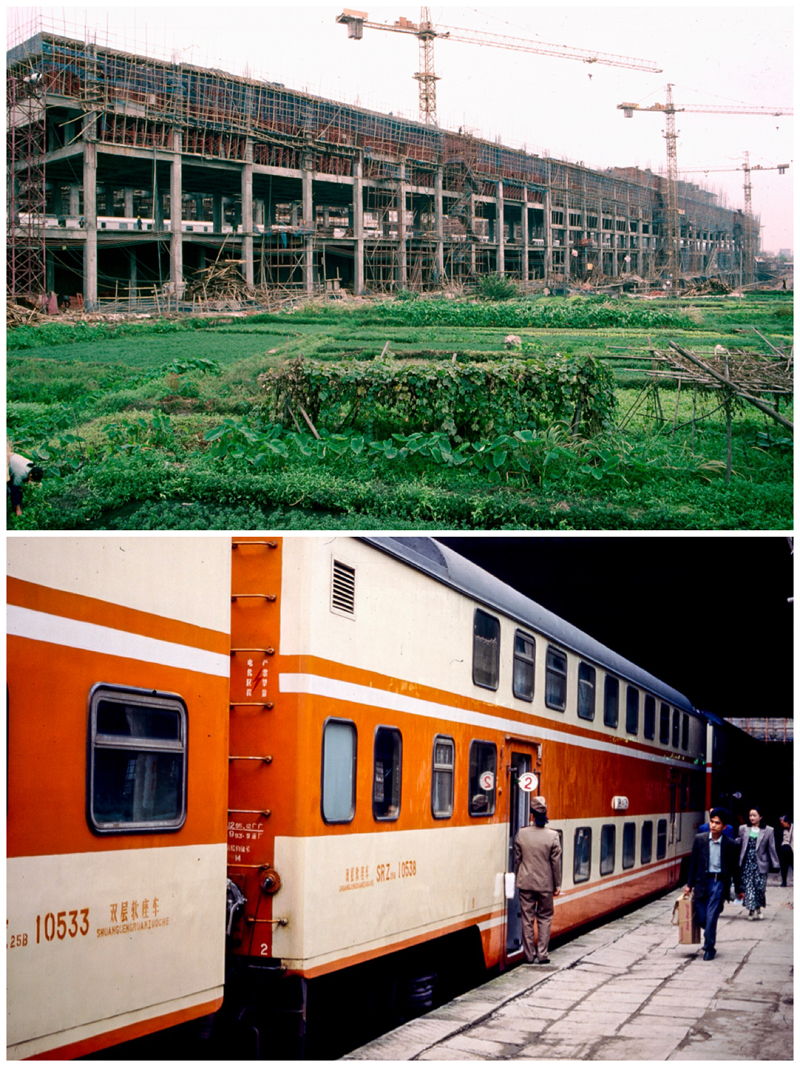
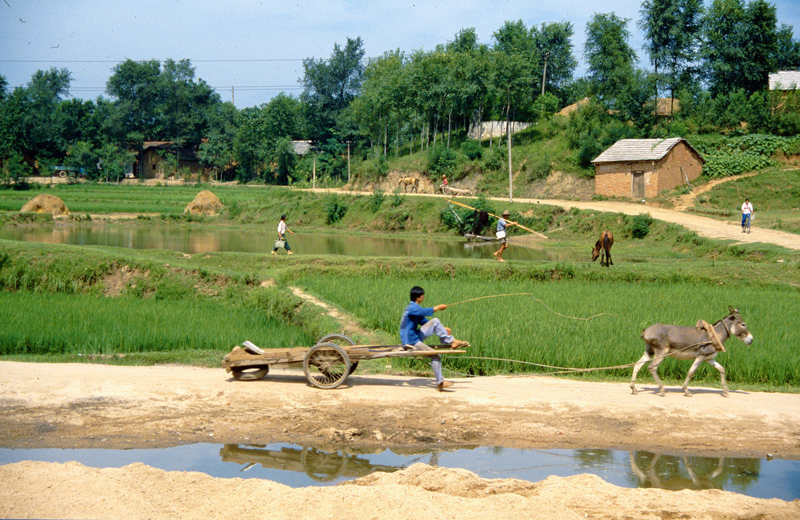
Asked about where my fascination with China came from and how it has lasted for 31 years, I have to go back to 1987. That year was both a first time discovery of the country but also a fleeting glance into its possible long-term future. Travelling south by train from Beijing to Guangzhou over two hot midsummer days, I was regularly looking out over the passing scene. It was so different to other countries I had visited. Cities seemed to have little traffic and few high-rise buildings. The countryside, which I found in many ways quite beautiful, appeared in a "time warp". Compared to large scale, machine-orientated farming that I was familiar with back in the UK, rural southern Henan, for example, appeared low-tech, more labor-intensive. For me as a geographer and traveler, it was a fascinating landscape. Such images prompted a desire to see and discover more.
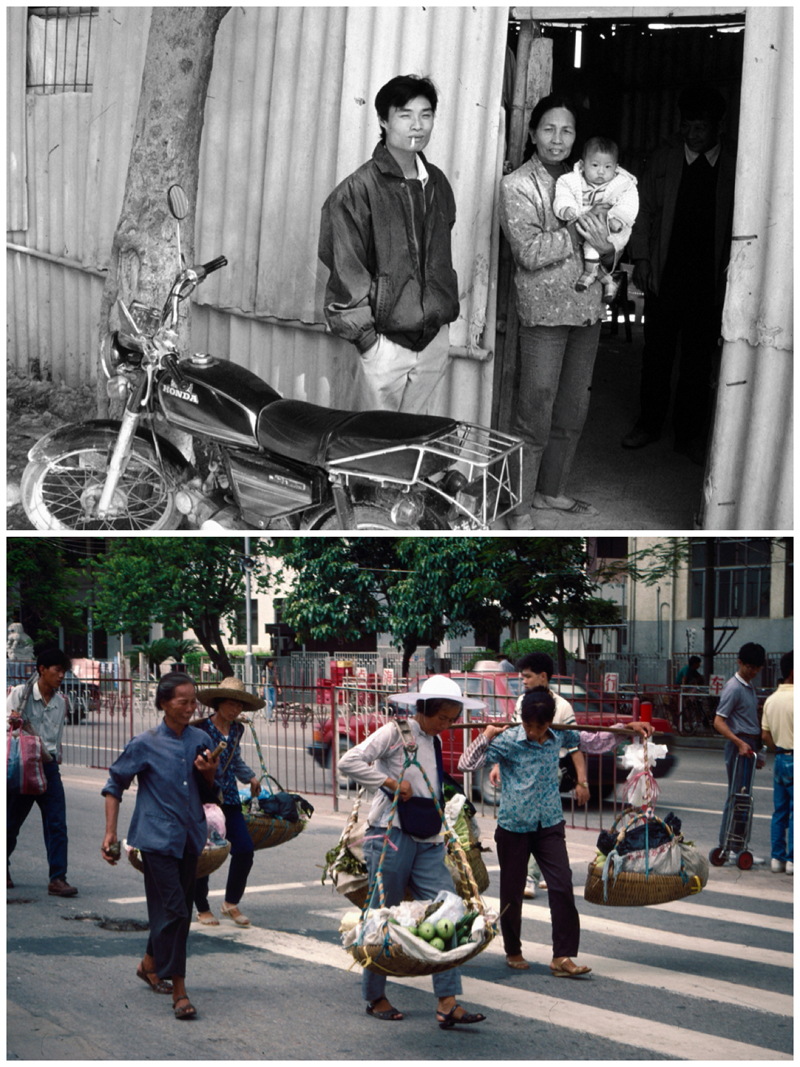
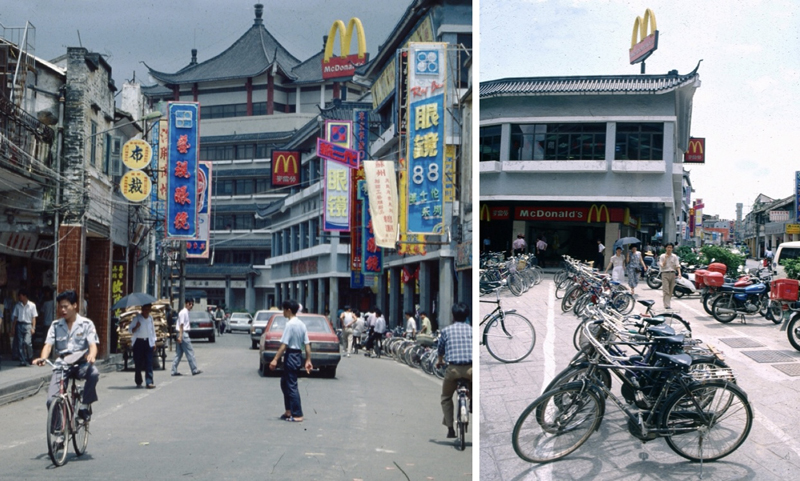
Arriving in Guangzhou, that steamy humid July morning, the streets were congested and bustling with bicycles, trucks, buses, people. Architecture was mostly traditional southern China with two or three floor buildings with retail and commercial activity going on along the sheltered pavements having many "walk-in" shops. I saw few modern buildings apart from the beautiful White Swan Hotel rising from Shamian Island, offering commanding views over the busy waterways of the Pearl River.
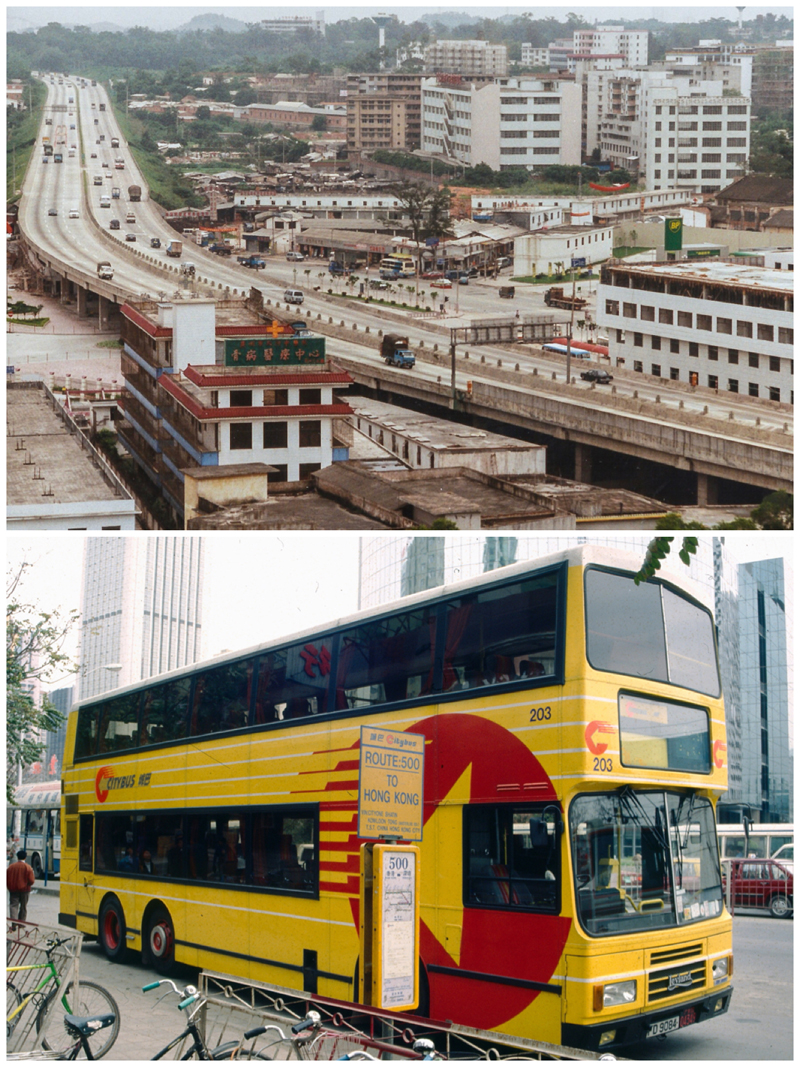
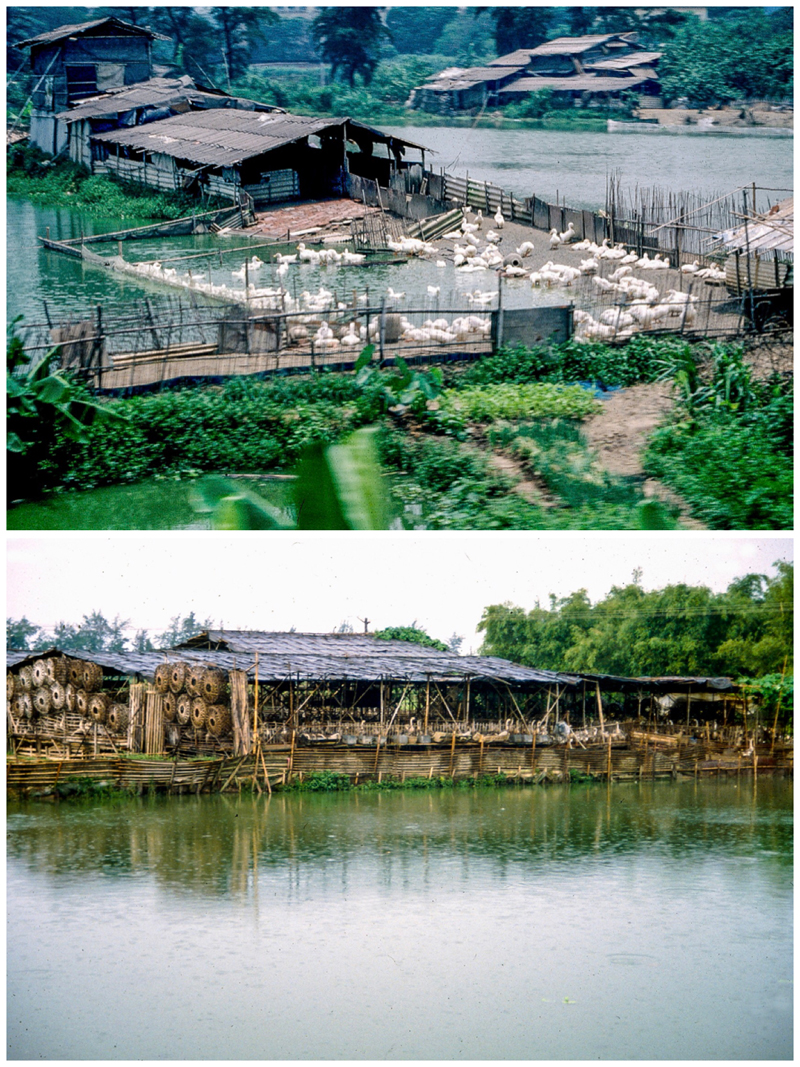
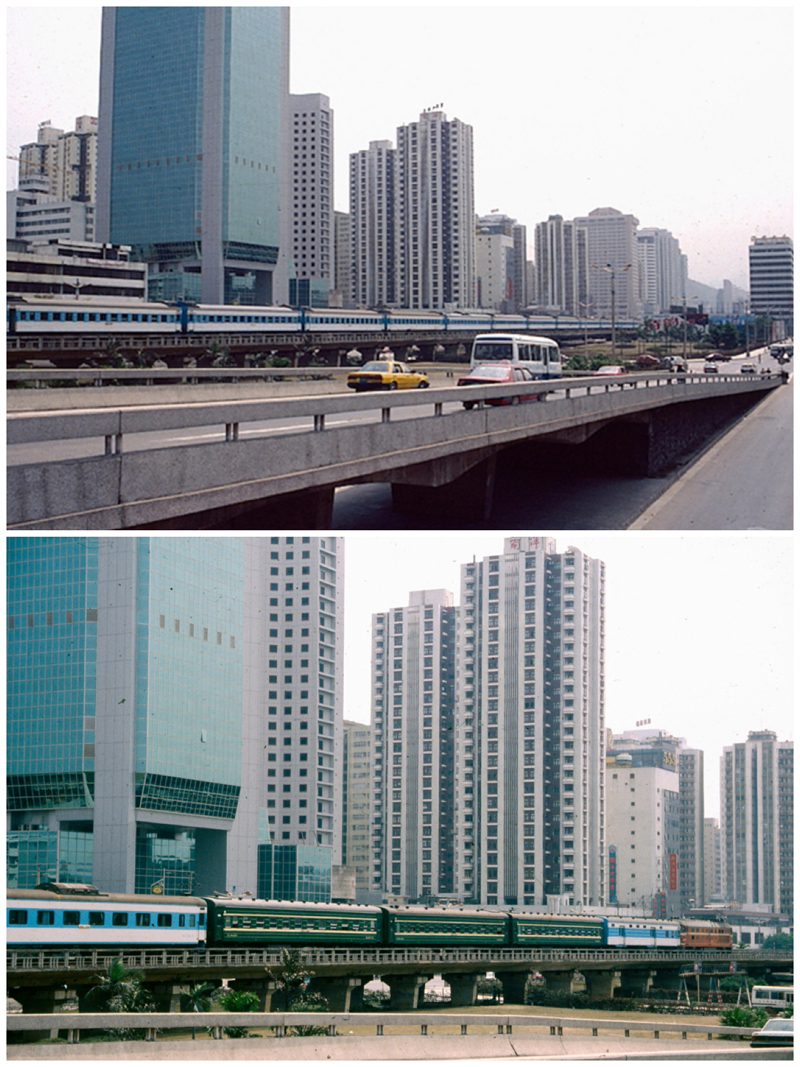
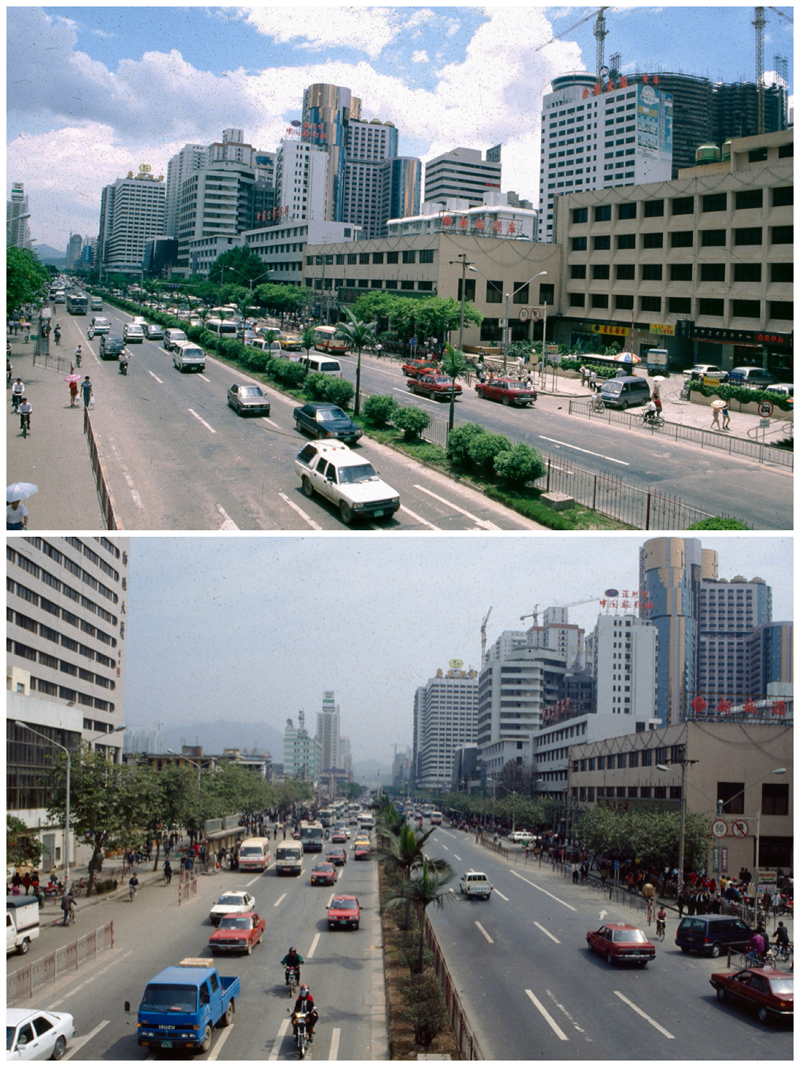
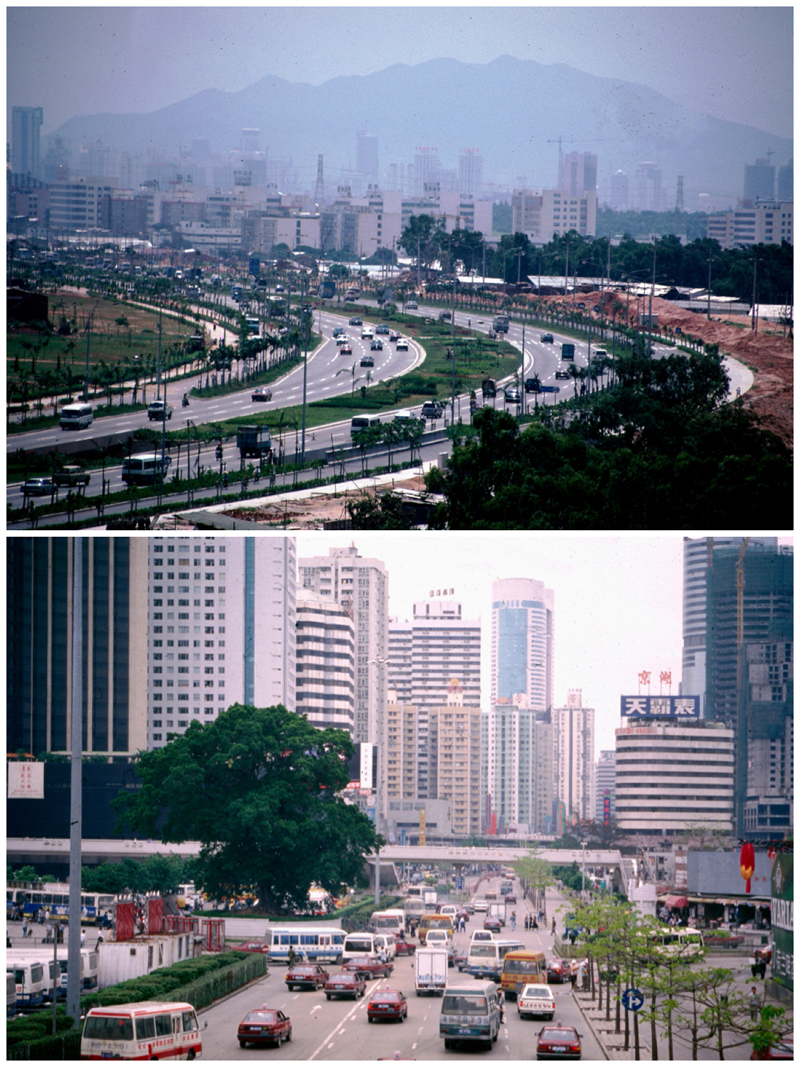
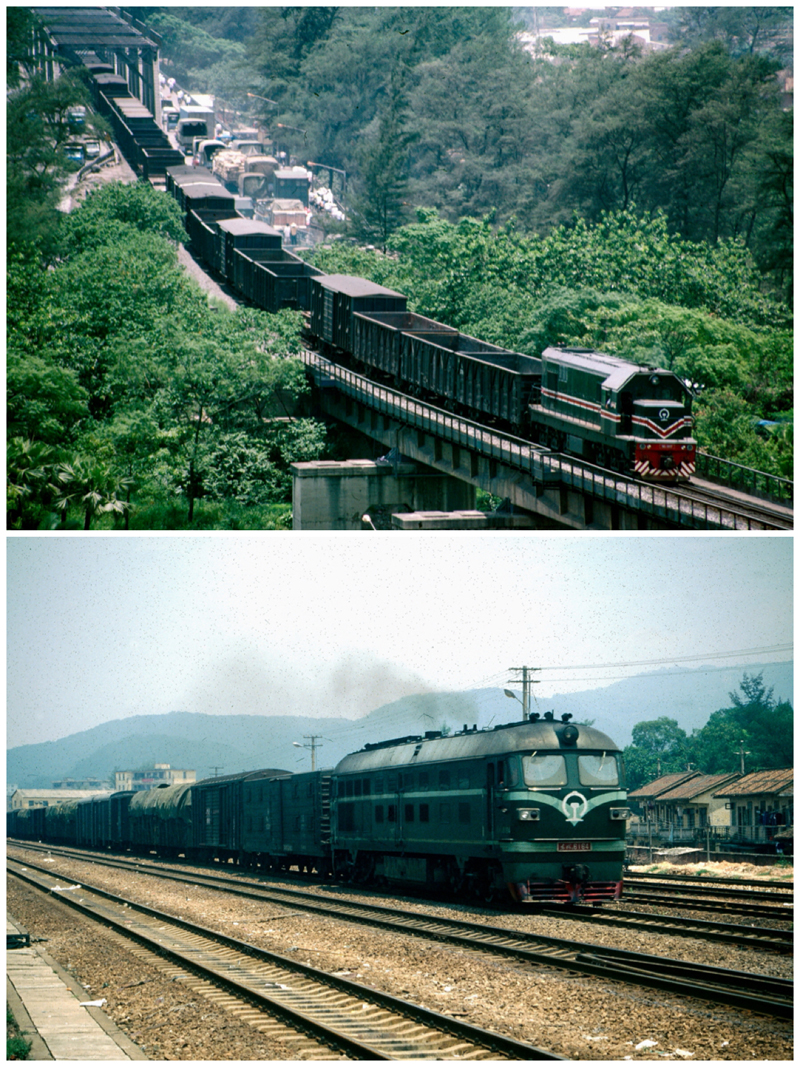
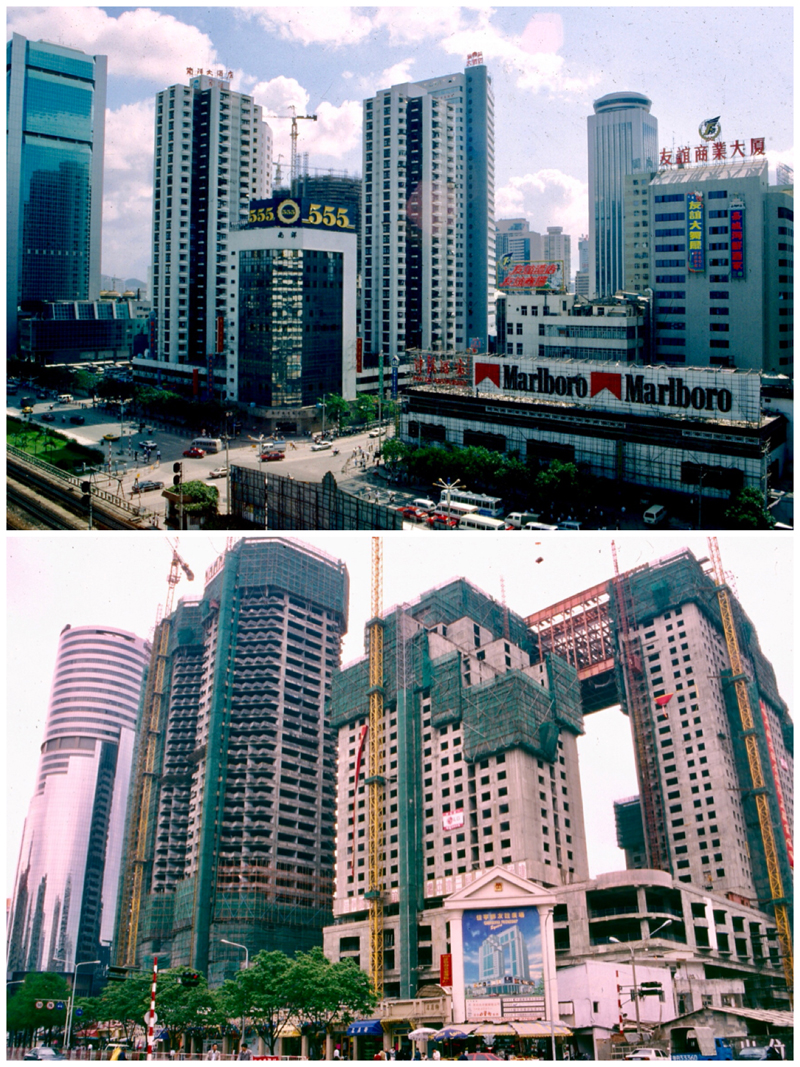
Leaving next morning on the "Through Train" to Hong Kong I could never have anticipated five years later I would be back on that same railway returning to Guangzhou. A city that would be my home for a year by then in 1992 had changed considerably. That train journey in '87, unfortunately on a rainy July morning, left me with much to think about. Initially the line wound through a mixture of villages, rice paddies, fish ponds, duck farms, banana palm groves and again a feeling of intermediate technology. As I relaxed, looking out while sipping tea, I was mentally preparing for arrival in Hong Kong. Sadly it would be the finale of a Eurasian rail journey that started in Scotland three weeks previously. There were then no smartphones with GPS to check location. I began to think we were actually arriving early into Hong Kong for we started passing through an urban area of wide roads and quite smart new buildings, all so different to what I had been observing over several days across China. The train slowed down as were coming into a station but did not stop? Then I saw the Chinese flag and a name board, "Shenzhen". Where? What is happening here? A fellow passenger seeing my surprise, said, "It is the country's leading Special Economic Zone (SEZ). This is where the policy, initiated in December 1978, of reform and opening pp' is most noticeable." In 1987 this was all news to me for there was very little talked about China in my homeland at that time. Finally arriving at Hong Kong's Kowloon, much was familiar from images I had seen of crowded, often narrow streets with advertising banners hung across. Of course it also appeared much older than what I had observed of Shenzhen, which was then new with considerable on-going construction.
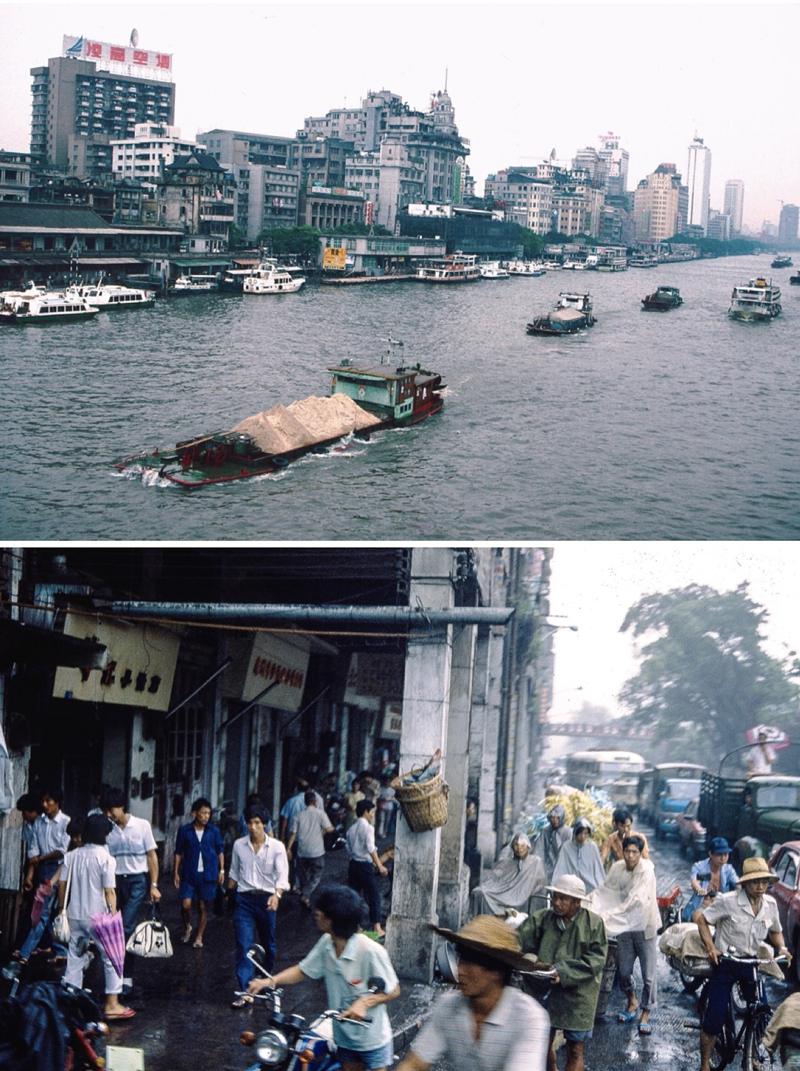
It rained a lot in Hong Kong and I spent considerable time in cafes mentally going back over my journey while thinking about what stood out for me. Shenzhen! Within my mind I knew there was something really significant going on. Asked regularly to give talks in Scotland about my experiences, I would finish by mentioning Shenzhen, suggesting that people watch what was happening there. Again, few seemed aware of the structural reforms that China had embarked on. A program of massive change with Shenzhen, the Pearl River Delta and surrounding coastal areas as the catalyst was underway.
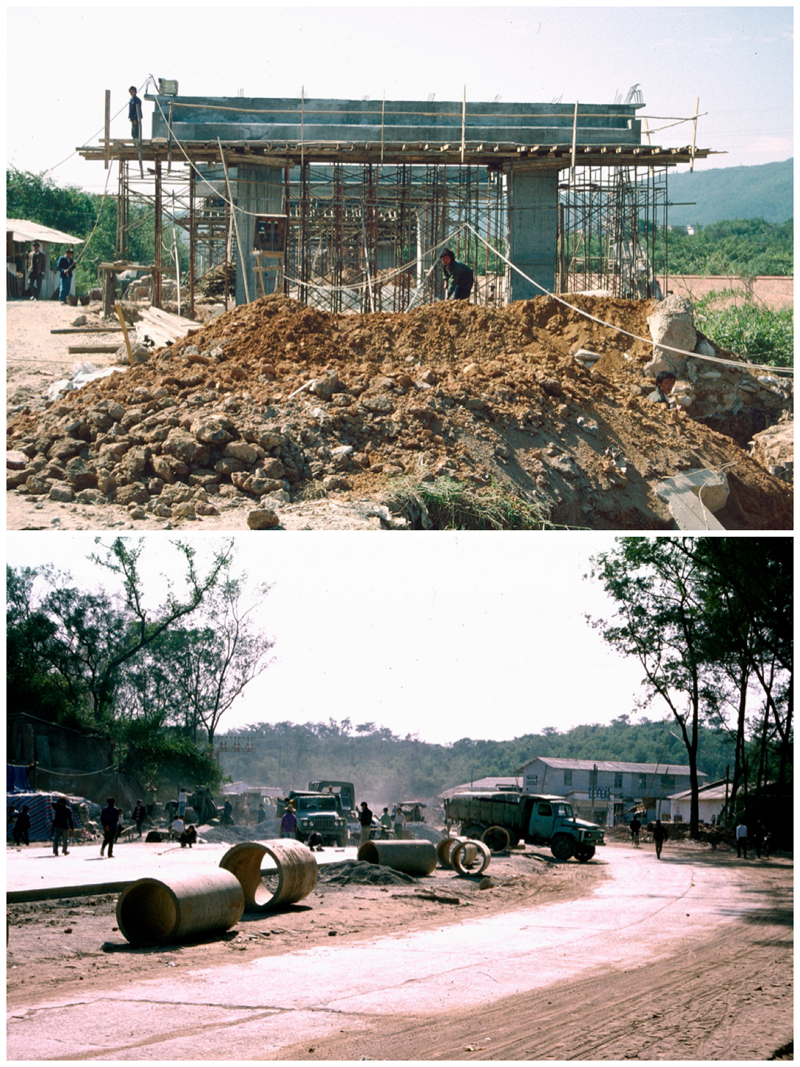
Five years later, 1992, returning to Guangzhou again by train, the landscape was in flux. While there were still duck farms and rice fields, factories, some being "joint venture" had opened or were under construction, new roads were being pushed through the reddish tropical soil, modern tiled homes were appearing within the surviving villages. Guangzhou was also, in many ways, a city in transition. I had arrived shortly after Deng Xiaoping's historic visit to Guangdong in 1992, seen as an encouragement for the reforms then underway, reforms that initially brought with them many challenges.
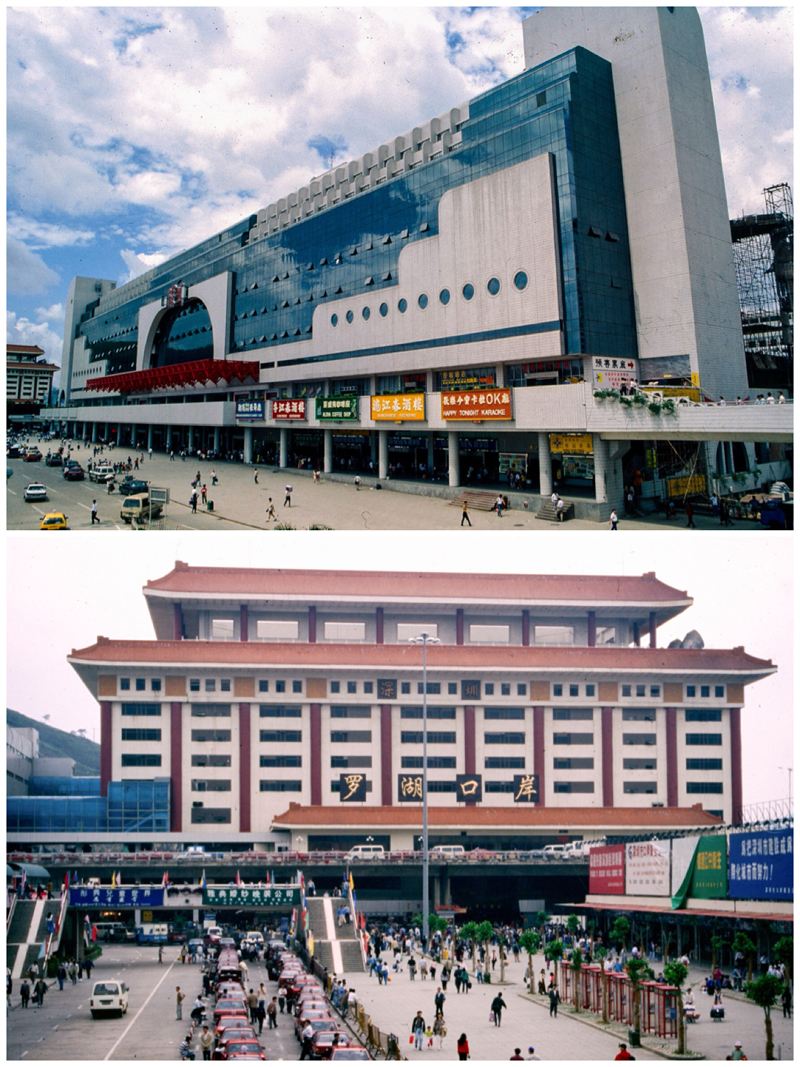
During my stay in Guangzhou I regularly visited and stayed in Shenzhen, and as always, walked around to observe the changes. Named after the last station on the former Kowloon-Canton Railway, before the Hong Kong crossing, Shenzhen was made a city in 1979. There had been a market town and several fishing villages in the area with the earliest recorded mention of name Shenzhen dating from 1410 during the Ming Dynasty. Its railway station opened in 1911, relocating to its present location close to Hong Kong's Lo Wu in 1950, the present large terminal opening in 1991. More recently several large stations have been constructed to serve the growth of high-speed rail services, connecting directly with both Hong Kong and cities nationwide.
In the later 1970's it was increasingly apparent that China, a country of great potential and rich in resources, had fallen back in terms of development. The contrast at that time, for example with Hong Kong was stark. How to generate growth, how to change much that was a "command economy" into a more market driven system that would lead to growth was challenging, particularly for a country the size of China. Experimentation, initially within small geographical areas, was necessary to see what would work and importantly, what would fail, before rolling out such reforms nationwide. An idea conceived was to establish Special Economic Zones (SEZ) where preferential investment and taxation policies would apply in the hope of attracting international capital and indeed companies relocating to China. Four such zones were officially established on August 26, 1979. They were Zhuhai, bordering Macau; Shantou in eastern coastal Guangdong; Xiamen in Fujian and of course Shenzhen. The latter bordered Hong Kong with its strong business-related environment, considerable capital resources and its strong family, cultural and linguistic affinity with Guangdong. With a focus on producing processed goods for export Hong Kong initially offered access to excellent harbor facilities. Shenzhen eventually created its own massive container terminal, now one of China's busiest.
Initial results proved remarkable. During the period 1981 to 1993 Shenzhen showed an amazing economic growth up to 40 percent. In the early days Hong Kong factories relocated to areas around Shenzhen with its greater availability of land, preferential investment policies and at that time, a much cheaper labor force. Over time, of course, growth gradually slowed from this breakneck pace. To fulfill its goals, the city attracted a workforce drawn from across China skilled in technology, business, scientific research and development. Today innovation is a primary growth driver. Many construction workers also moved in. For those lucky enough to be part of Shenzhen the rewards were considerable with salaries often several times higher than national averages. Interesting that the city became an area of mostly standard Chinese putonghua speech surrounded by predominantly local Cantonese speakers.
However rapid growth also brought with it problems. The initial SEZ, bordering Hong Kong was a relatively small area compared to today's city. Special permits were at that time required to live and work within the zone. Many, many people, attracted by the lifestyles and apparent wealth of the area migrated in large numbers from much less developed inland provinces. Often unable to access the SEZ, many found work in the mass-production factories then spreading particularly throughout the eastern Pearl River Delta towards Guangzhou. In turn they became major growth drivers for what became "boom cities" such as Dongguan. The migrant flow, which I personally witnessed in Guangzhou during the early '90's put an almost unbearable strain on the railway system, particularly during the Spring Festival homeward rush. Consequently new railway lines were laid. Guangzhou East station, connecting to Shenzhen and Hong Kong, was rebuilt in the mid 1990's to be then one of China's largest. Train speeds were also raised with modern rolling stock introduced. Connectivity was vital for growth and through '92/93 I watched, right outside my residence in Guangzhou, relentless road construction. This included a major expressway project linking Shenzhen and Hong Kong with Guangzhou. Initially Hong Kong's Kai Tak airport served as an entry into much of southern China. Guangzhou's older Baiyun Airport then had few international flights. However, Shenzhen to improve its appeal and infrastructure opened its own airport in 1991, today one of China's busiest.
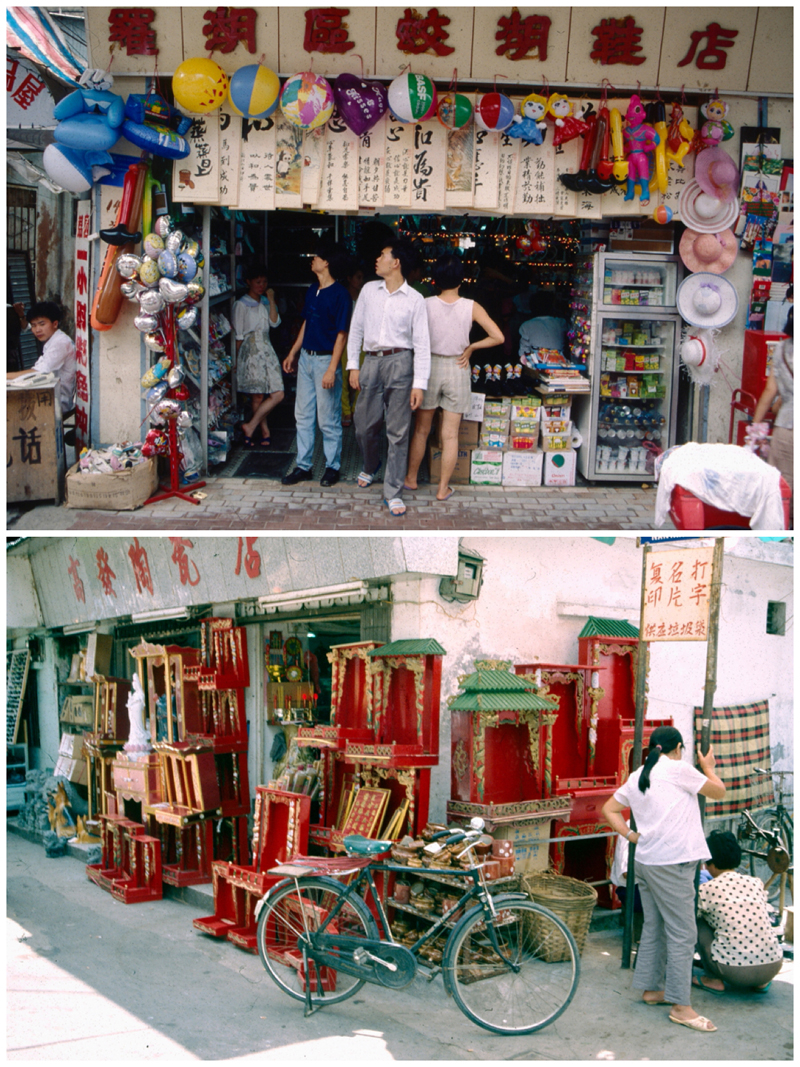
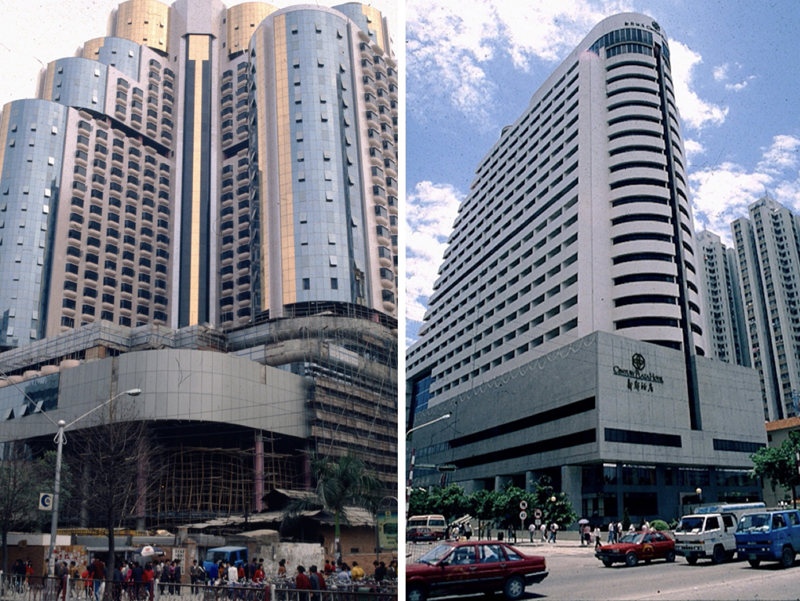
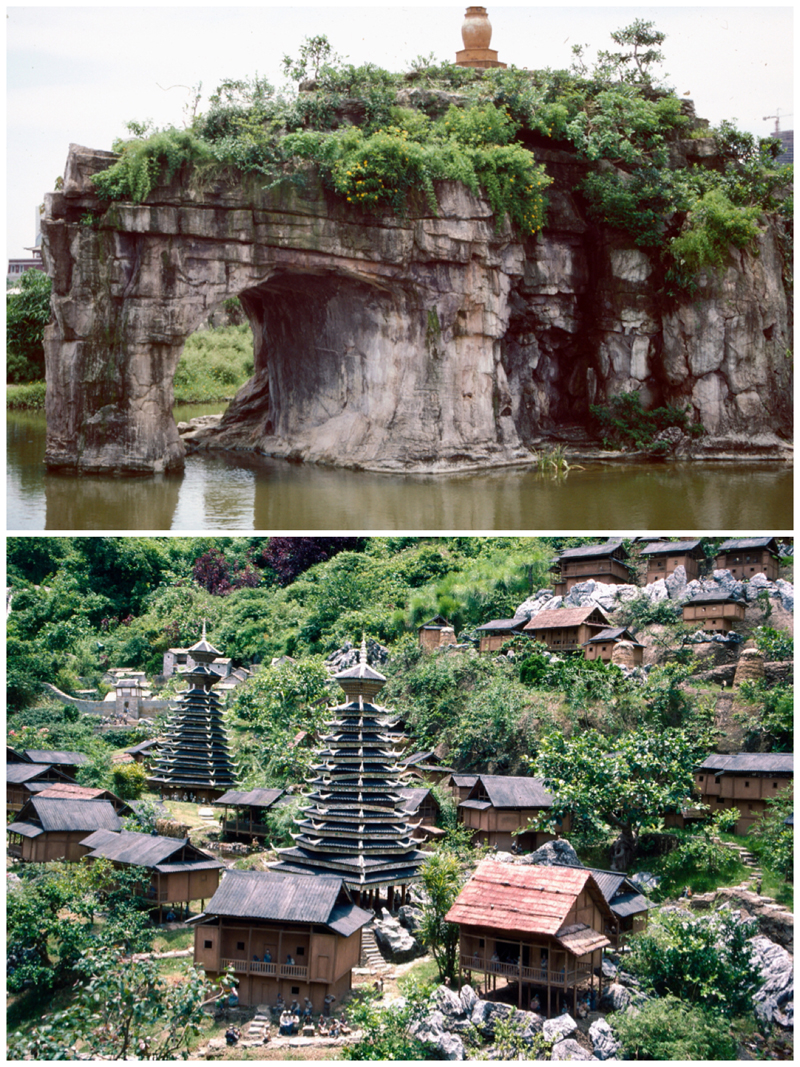
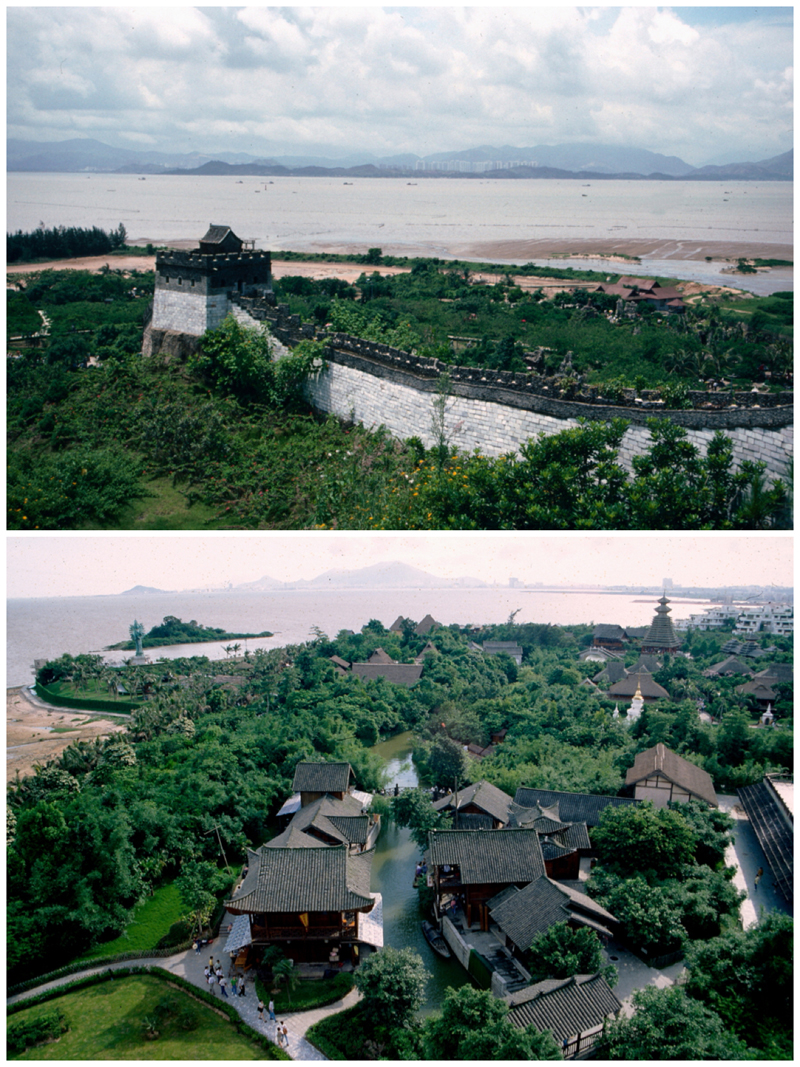
With an influx of international business, Shenzhen attracted several world leading hotel brands. Western fast food, almost unheard of elsewhere, started appearing. As a clear sign of growing disposable income, in 1990 McDonald's opened its first restaurant in China, beyond Hong Kong. Fascinating theme parks were created including "Window of the World" and "Splendid China". I visited the latter not realizing that over the coming years I would actually travel to many of its scenic attractions. Interesting how in the early days of opening-up Shenzhen and the Pearl River Delta attracted many Hong Kong visitors often on shopping trips. Today a huge influx of shopping tourists now go in the opposite direction from across China to Hong Kong!
In the early 1990's Shenzhen with its international lifestyle and business-focused acumen seemed worlds apart from much of interior China, indeed I would even say at that time from Shanghai, but over the years I have seen what was first developed in Shenzhen spreading nationwide to lift China into the major economic player it is today. It has been an incredible achievement in a relatively short time.
Of course there were many challenges, problems and difficulties in turning China around, but look at Shenzhen today, for example. A city where visitors and residents feel there is so much going on. Its residents generate a youthfulness seen in its vibrant cafe and craft beer scene. It boasts an increasingly famed art district, is a destination for major sporting events and much, much more. A city growing from around 30,000 people in 1980 to around 13 million, or more, today. It has become a "melting pot" of people from across China with its slogan "Shenzhen is home to all who resides".
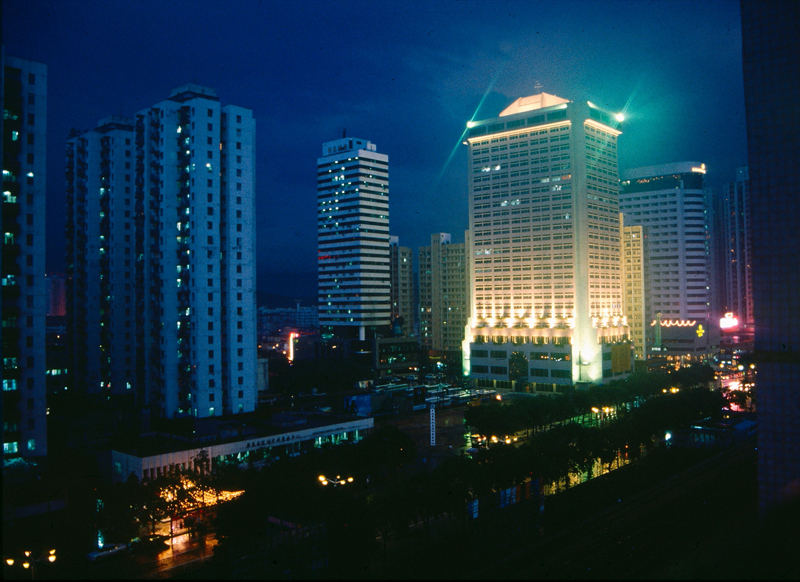
Amazing for me to have first seen the city on that tropical July morning in 1987. Today still going around China by train, I see a very different country compared to 31 years previously. Now I am transported in sleek 350 km/hr units moving me efficiently between modern cities of which Shenzhen was a precursor. Shenzhen itself has evolved into a world leading metropolis, its skyline testimony to the rapid inward investment following the reform and opening-up launched in 1978.