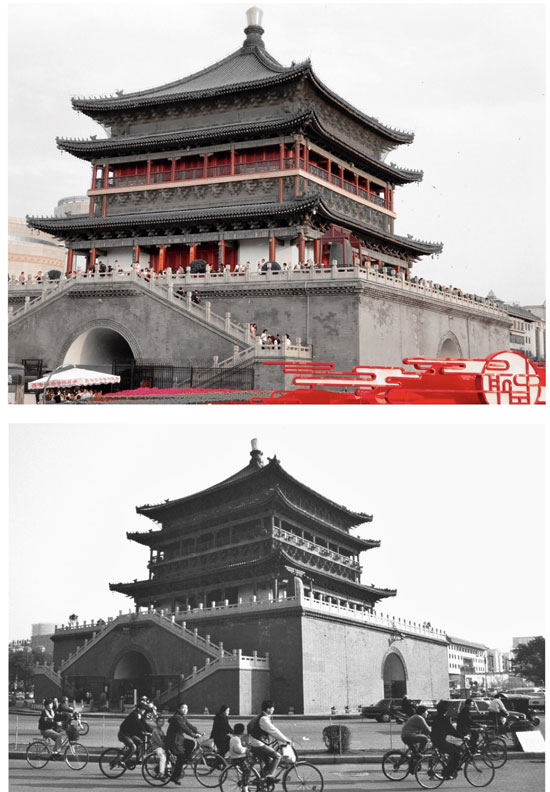
(Source: China Daily)
Rediscovering the historic city of Xi'an
By Bruce Connolly | chinadaily.com.cn | Updated: 2018-05-23 13:18
Xi'an, capital of China's Shaanxi Province, is one of the nation's oldest cities, tracing its roots back to the Zhou Dynasty (c.11th century-356 BC). However, archaeological excavations have revealed settlements in its vicinity stretching as far back as prehistory. One of the Four Great Ancient Capitals along with Beijing, Nanjing and Luoyang, it has long held a special place in the minds of travellers, explorers, traders and tourists. Steadily increasing numbers of domestic and international visitors head there to marvel at its treasures — everything from excavated 3rd-century BC terra-cotta army to unique cuisine, particularly within the countless eateries of its vibrant Muslim Quarter.
Through history, this walled city represented safety and security following lengthy, arduous journeys. At the eastern end of the fabled Silk Road, Xi'an or Chang'an represented a finale of months fraught with danger and thirst, as traders led their camel caravans from Central Asia through some of the driest, emptiest, most inhospitable lands imaginable. There, at journey's end, Xian's heavily defended gates would open to provide respite. Some would unload and trade their goods within its commercial markets before heading west with cargoes of tea or silk. Others would continue onward, east to China's populated, bustling coastal areas. Xi'an became a crossroads, a meeting of people, that helped lay the foundations for its enduring cultural diversity.
Although associated with routes traversing northwestern deserts, Xi'an itself was anything but an oasis. It is nestled within the fertile Wei valley, a major tributary of the Yellow River. Due to threats of potential flooding, the city was built on slightly higher ground south of the waters, toward the mountain ranges occupying much of Sichuan and Guizhou.

Xi'an has long been associated with its Silk Road heritage, but it was a discovery in 1974 in nearby Lintong district made the city one of China's major tourism destinations. Local farmers, one of whom I met in 2004, came upon traces of what would be a major world archaeological discovery. Several pits were meticulously excavated to reveal unique funerary art created to protect the first emperor of China, Qin Shi Huang, in the afterlife. Estimates suggested over 8,000 terra-cotta or clay soldiers, 130 chariots with 520 horses along with 150 cavalry horses were buried under the soil. Brochures promoting Chinese tourism in the early days of the reform and opening-up policy would highlight Xian's warriors — treasures that attracted a host of world leaders, including US President Bill Clinton and his family in June 1998. Tourism has long been an important component of the city's economic growth and development.
My first visit in late 1994 was short, taking in the terra-cotta army while visiting fledgling economic development zones, as Xi'an was destined to emerge as a major high-tech production base for northwestern China. It was also helped by the country's policies toward developing its western provinces and regions.
It was only in 1997 that I would start to discover the many facets of the city. I was on a lengthy personal exploration of China's northwest. My travels had led across Qinghai to Xining. From there an overnight train carried me through the mountains beyond Lanzhou before descending the valley of the Wei towards Xi'an. Lying much lower than Qinghai, October temperatures were significantly warmer, meaning exploring the city by foot was indeed pleasant. I stayed over a week, each day venturing outward and ultimately beyond its historic walls. I revisited the terra-cotta army while taking in the Banpo Neolithic Village and the city's film studios. Subsequent years involved leading Scottish tour groups, sharing my fascination with Xi'an.
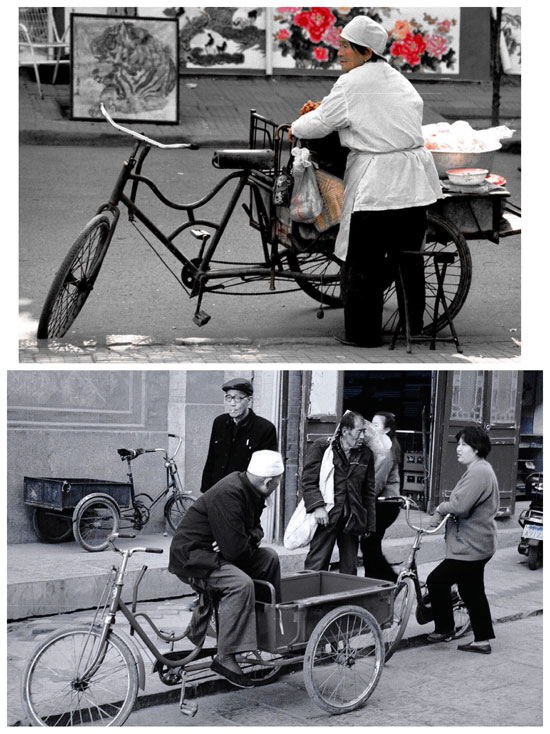
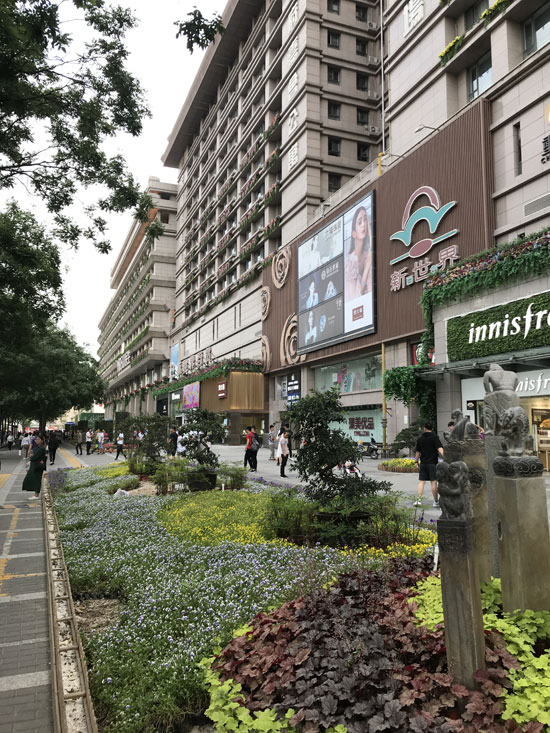
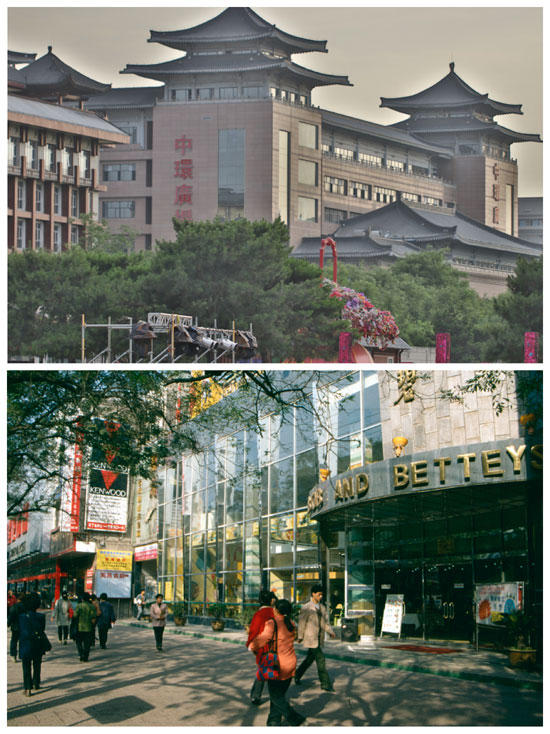
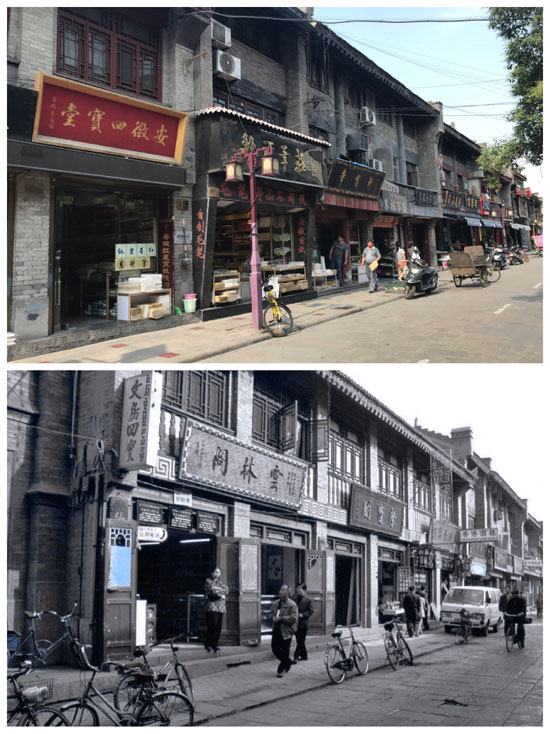
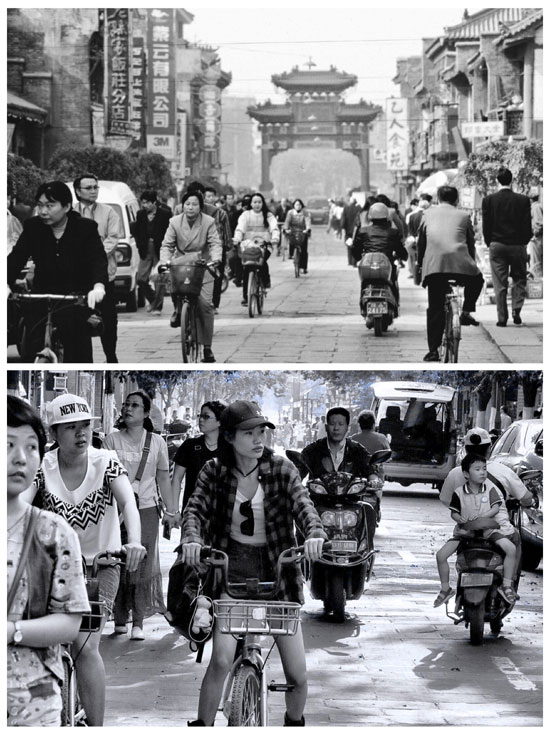
Recently, looking over images shot in 1997, I decided to return southwest to try and rediscover Xi'an. Sometimes friends suggest not retracing earlier journeys, as structural transformation may have removed what were significant joys and precious memories. I am glad I did, as even though there have been changes, much proved very positive. It also helped me realize how much easier travel in China now is compared with my "adventurous" 1997 moments.
21 years ago, there was no digital, online assistance. Often I was relying on guidebooks written years before. Arriving at Xi'an railway station following a tiring overnight journey from Xining, I took a taxi downtown. The hotel I read about had changed into a noisy restaurant with a few rooms that did not appeal. Walking around for another hour, I found accommodation at a reasonable hotel east of the Bell Tower — now closed and unoccupied. It was still standing last week, but maybe not for long. Buying train tickets involved going to the railway station three days before departure in the hope of obtaining a ticket for one of the few trains to Beijing.
Fast forward to 2018. In a Beijing cafe using my smartphone, I could check hotel availability, view room photos, book my stay and receive instant confirmation. I checked train schedules, chose a time and could either book online or go to a local ticket office to purchase a return ticket.
Beijing Metro Line 9 led me straight into the capital's vast West Station in time for a coffee. I boarded a high-speed train and 4 hours and 30 minutes later I was delivered in comfort to Xi'an North Station. Metro Line 2 then led straight from the arrival hall to Bell Tower Station. After a five-minute walk, I reached my hotel in an alley directly opposite the Drum Tower. The stresses of those earlier travels are now distant memories.
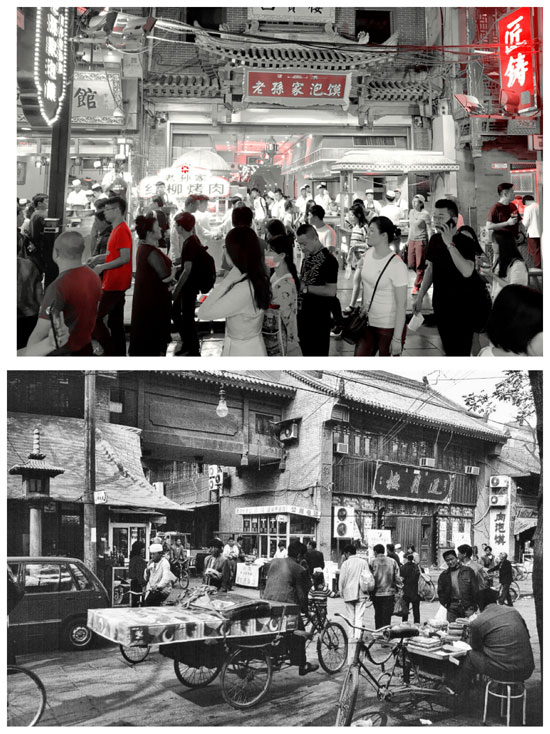
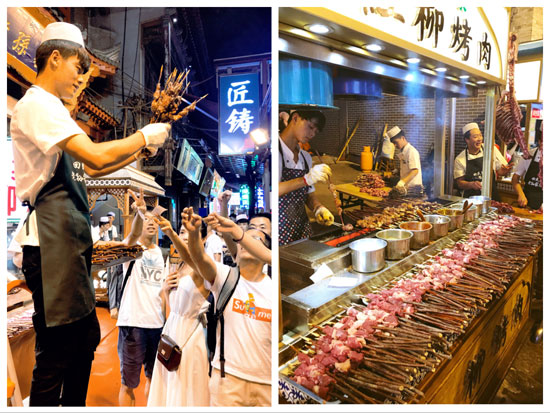
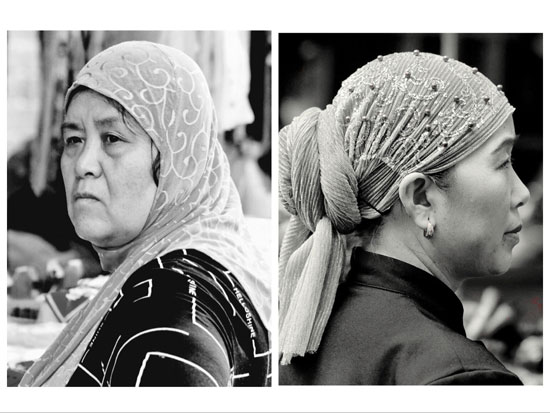
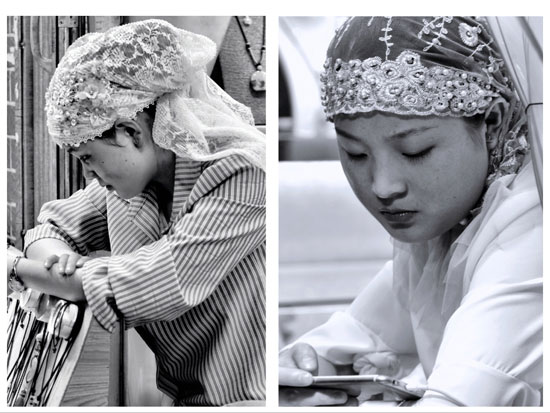
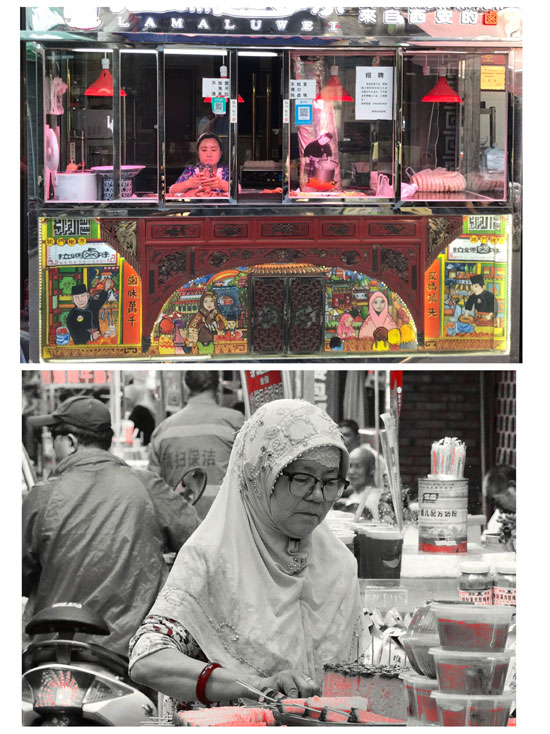
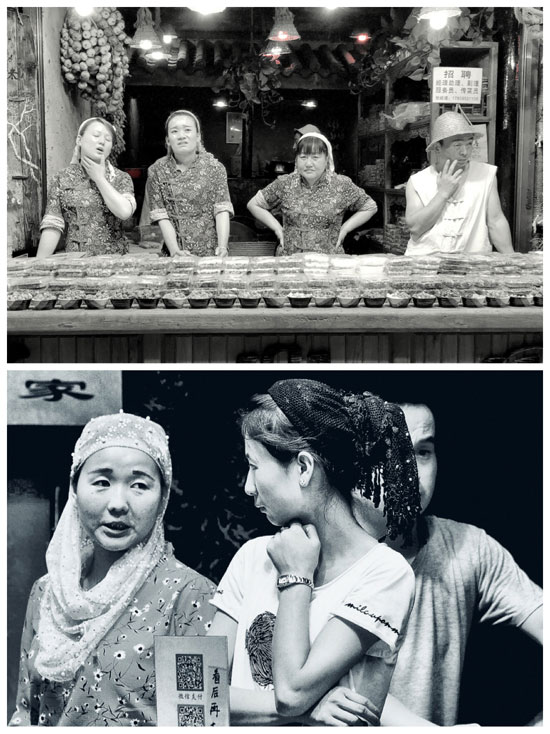
Within hours of leaving my Beijing apartment, I was photographing Xi'an's vibrant Muslim Quarter. Xi'an is particularly fortunate to have this district right in the heart of the older city. It is a reminder of the city's relationship with the Silk Road, and the many traders who moved east and settled there. By the 8th century AD Xian was one of the world's largest cities, with over one million inhabitants. Today it is a natural draw for visitors, who mingle on the alleys with local residents dressed in costumes associated with the Hui or Islamic people of northwestern China. With literally hundreds of restaurants and food stores it is a place to eat authentic snacks such as beef or mutton roujiamo (a hamburger-like sandwich) and often be entertained by the very act of food preparation. It might even come with theatrical performances and songs.
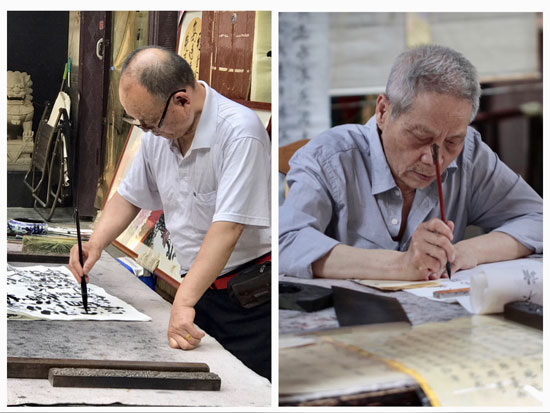
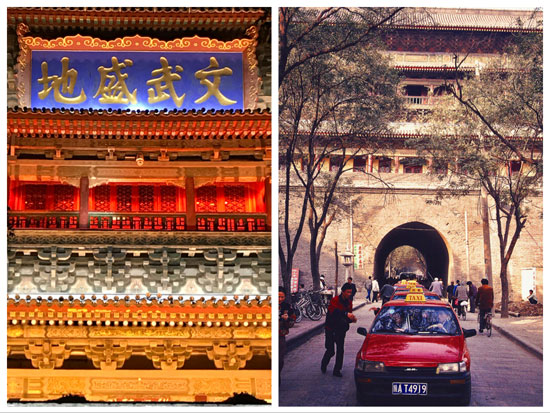
When I was last there in 2004, cars squeezed through the arched passageway of the Drum Tower and along what then felt a somewhat neglected older street. Every evening that structure is now beautifully bathed in color, as is the neighboring Bell Tower — both located along the city's central axis. In my return to Beiyuanmen and the quieter, less tourist-driven North Guangji Street, many photo opportunities presented themselves; people, food, clothing stalls. Narrow bustling side lanes were covered, creating a feeling reminiscent of Middle Eastern bazaars. The air was filled with the aroma of grilled lamb sprinkled with spices. Walking around I would try to imagine the historic feel of the area, of the camels, porters and traders, the many languages spoken, the costumes and attire, meat roasting over fire, helmeted soldiers patrolling with swords and spears. Indeed, it is still possible to imagine the history of this area going back generations.
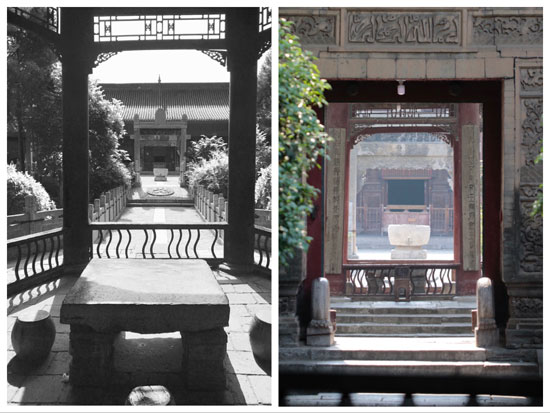
The stall-lined Huajue Alley led west of Beiyuanmen to the city's Great Mosque, the largest in China. Set within peaceful gardens dating from the Ming Dynasty, it combines traditional Chinese architectural form with Islamic functionality. Over the past 21 years, I have regularly revisited it. Like much of the surrounding area, it has seemingly withstood the ravages of change.
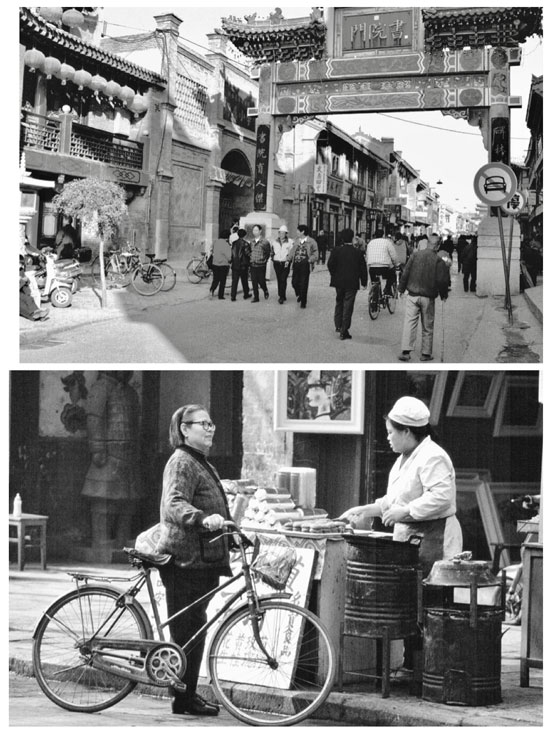
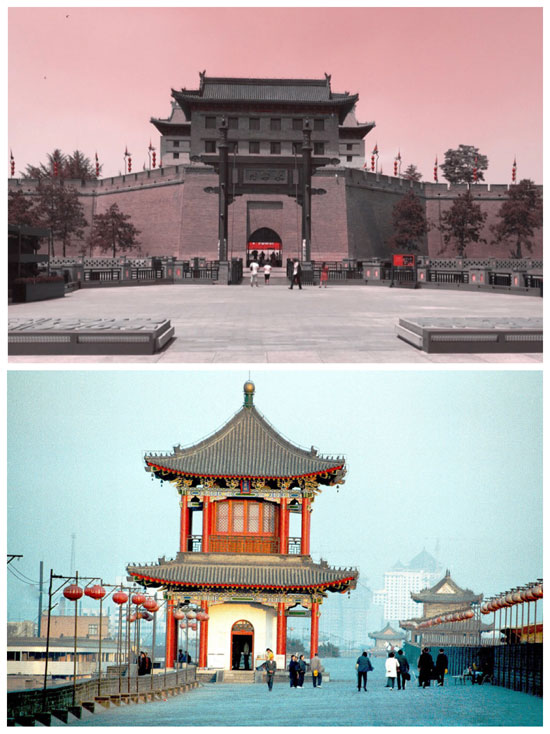
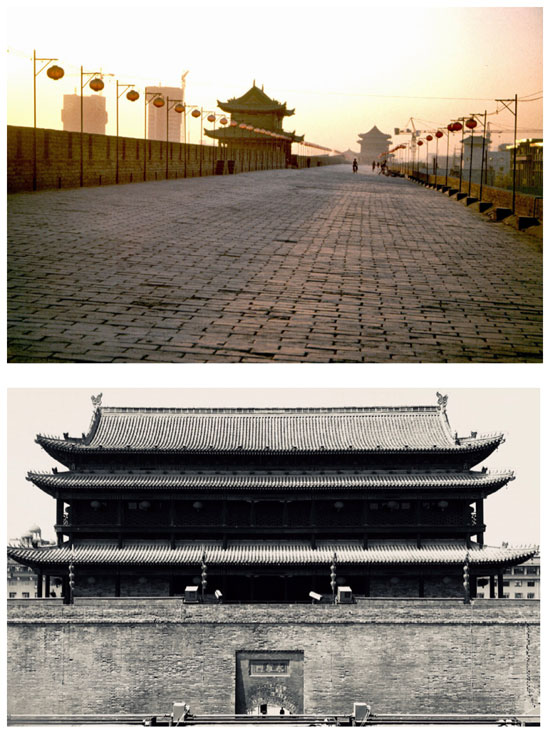
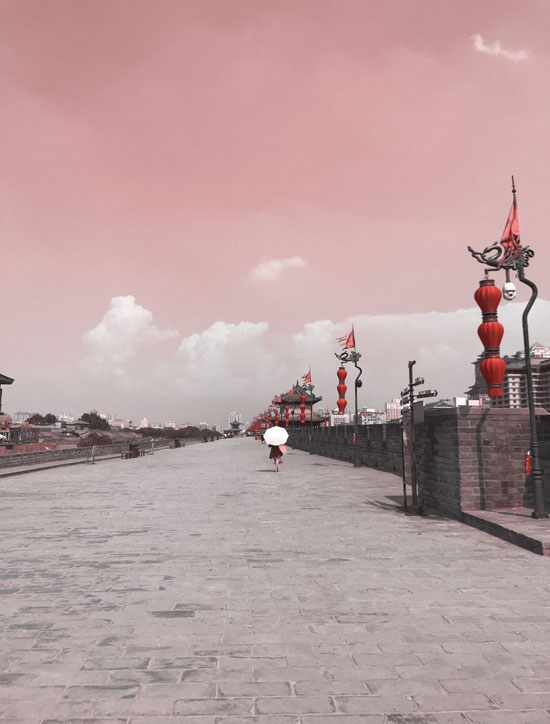
A striking feature of Xi'an is its well-preserved city wall. Reconstructed in the 14th century, during the Ming period its layout was based on a Tang Dynasty inner imperial palace. On my recent visit, Metro Line 2 took me straight to Yongningmen, the massive southern double gate protected by a moat. I crossed straight into the fortified structure and had a coffee before climbing the long series of steps onto Xian's wide walls. The southern view was of a modern, international city. But little seemed to have changed as I turned to gaze northward over the tiled rooftops of the older Beilin area centered around "Shuyuanmen Pedestrianised Street".
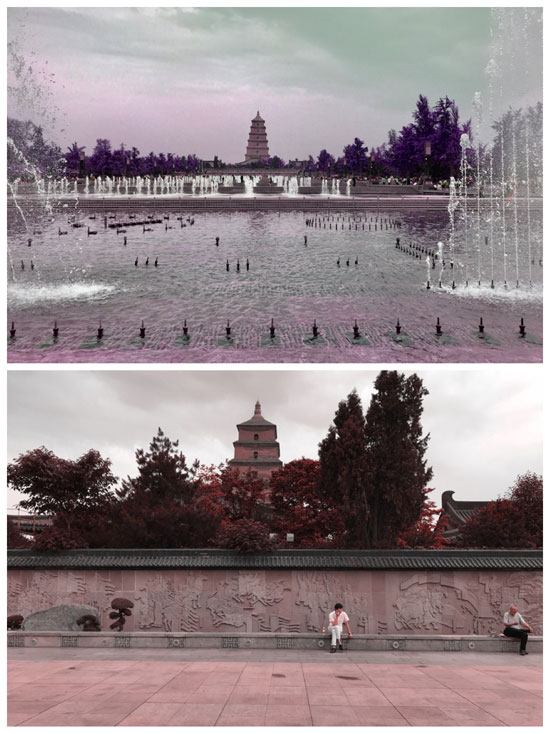
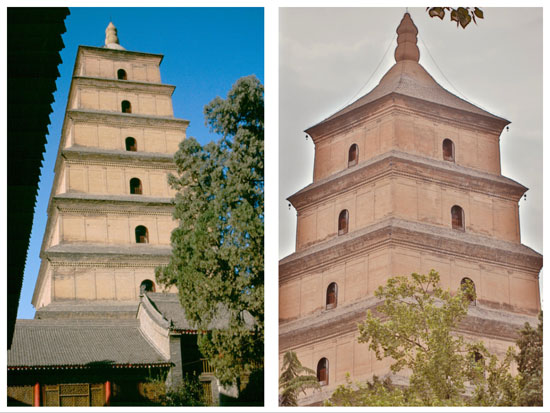
Later I would travel, again by metro, to another of Xi'an's famed sights: the more than 1,000–year-old Big Goose Pagoda. This is a structure that has withstood the ravages of time and earthquakes, and since my earlier visits has seen the entire surrounding area metamorphosed into a historic park enclosing a square with one of the largest water fountains in Asia. A people-friendly environment, the area attracts many locals for exercise, dancing and community activities.
Xi'an for me was a personal visit, allowing an opportunity to observe how the city has changed and modernized while retaining its cultural heritage. It also revealed how easy getting around China can be for the solo traveler — but maybe less of an adventure compared to 1997. Xi'an is a city I would return to, sooner rather than later.